Meaning
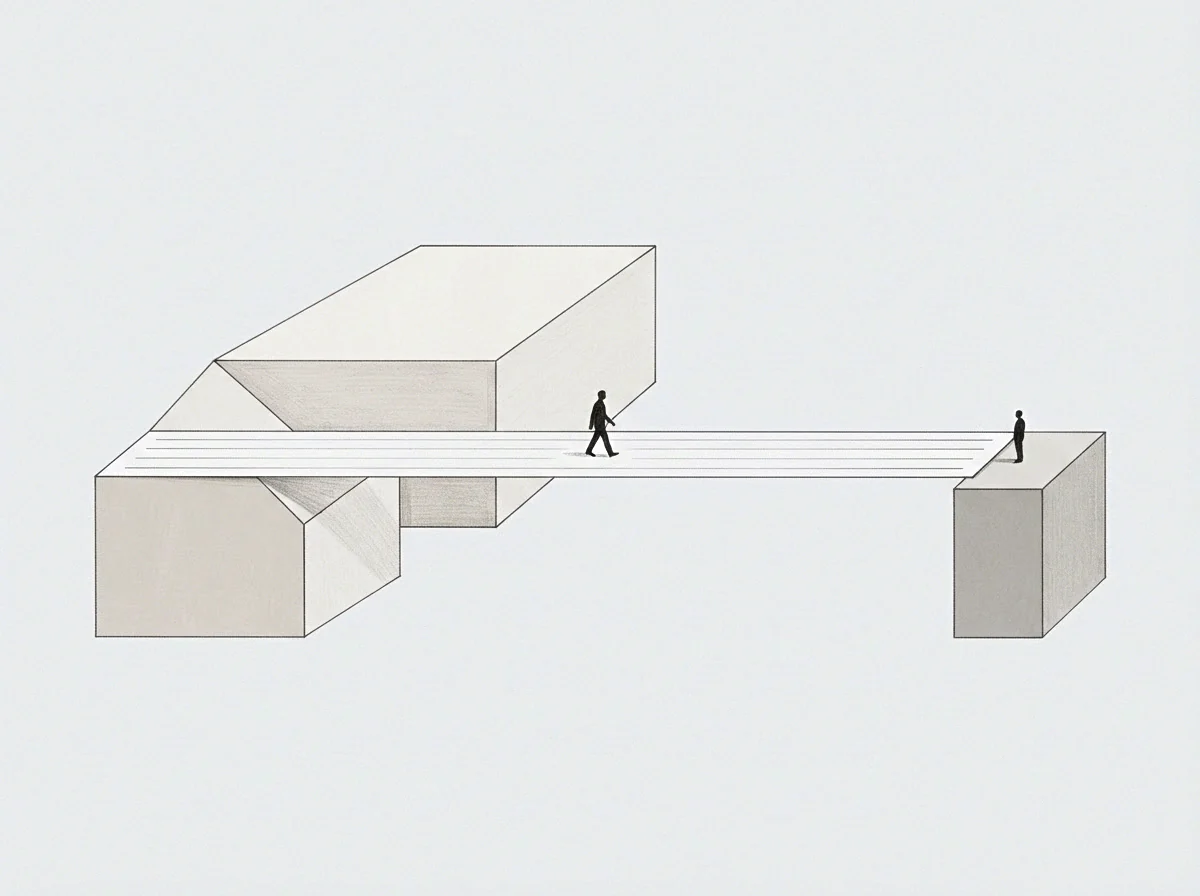
Simultaneous execution of multiple complex mental tasks relies on the division of working memory across distinct cognitive channels. While many individuals attempt concurrent processing to manage their post-exit commitments, the human brain typically serializes rather than parallelizes these demanding activities. Attempting this mode of operation usually results in rapid alternation rather than actual parallel performance.
The illusion of efficiency masks a real reduction in the quality of attention delivered to each task.
Capacity Constraint
Executive function limits the volume of structured information that can be held in conscious awareness at one time. When a person tries to analyze a legal document while listening to an investment pitch, the mental load exceeds the limits of the prefrontal cortex. This bottleneck forces the brain to drop crucial details from one of the active channels.
Interference Risk
Task degradation occurs when the inputs of two parallel tasks share similar processing pathways in the brain. Managing two verbal tasks simultaneously creates acute cognitive conflict. This leads to a high rate of error as the channels cross.
Structural Division
Successful parallel execution is restricted to situations where one task has become highly automated through years of practice. This permits the conscious mind to focus on the novel task while the automated routine runs with minimal executive oversight. Without this automation, the attempt to process multiple flows of information leads directly to executive exhaustion.