Meaning
A diurnal pattern of hormone release tracks the physiological response to the daily cycle of stress and recovery. The cortisol curve represents the rise and fall of the primary stress hormone over twenty four hours, ideally peaking in the morning and tapering off at night. This biological rhythm governs energy levels and cognitive readiness.
It functions as a physiological map of the person’s allostatic load.
Baseline Measurement
Accurate measurement provides a clear view of how the body handles the transition from rest to activity. A healthy cortisol curve features a sharp rise shortly after waking to provide the necessary drive for the day. This peak should be followed by a gradual decline to allow for evening rest.
Stress Impact
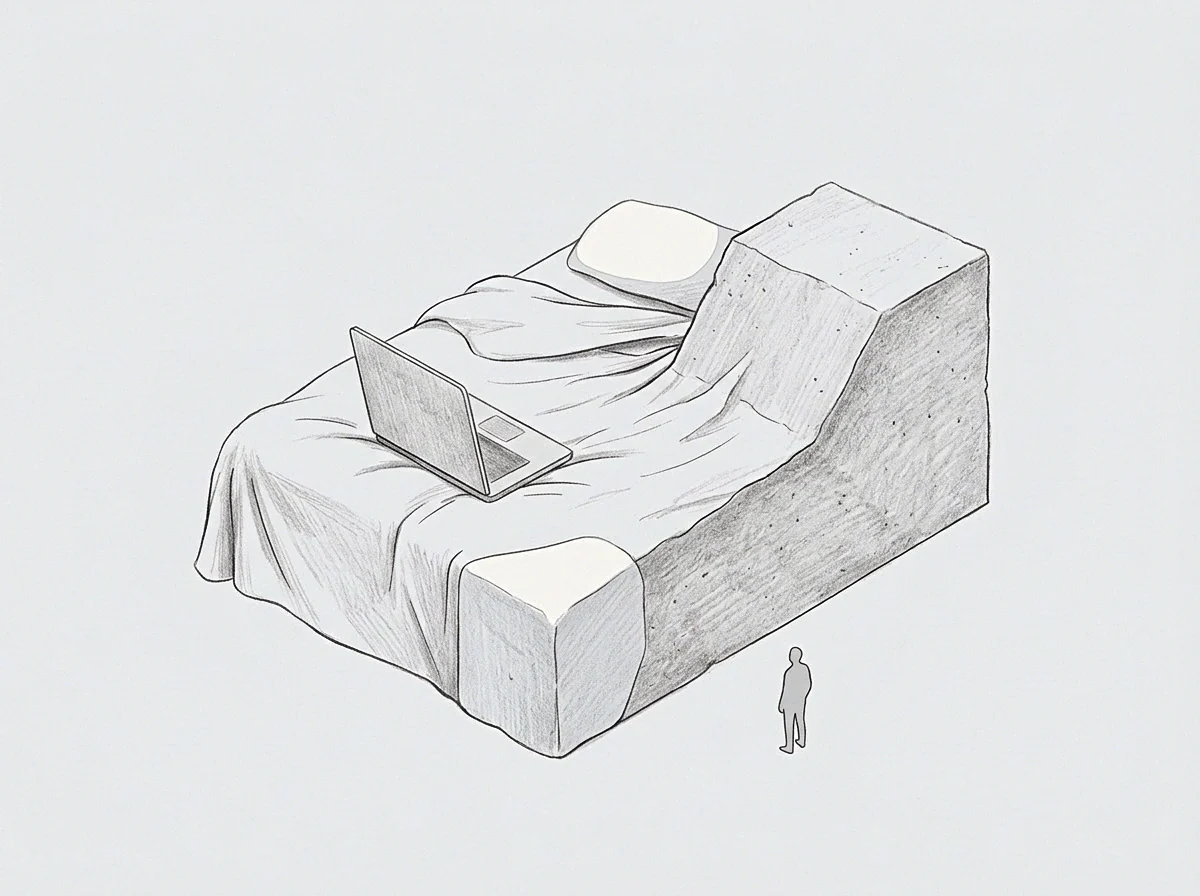
Impact from chronic high-demand environments often flattens the trajectory of the hormone release. When the cortisol curve becomes dysregulated, the morning peak is too low and the evening levels remain too high. This inversion leads to morning fatigue and nighttime alertness, which prevents the deep sleep required for cognitive recovery.
The cost of this misalignment is measured in decreased focus and increased irritability. Years of operating at high intensity without breaks can cement this dysfunctional pattern.
Regulatory Failure
Systemic failure indicates that the body’s internal regulation mechanisms are struggling. Correcting the cortisol curve often requires significant changes to the daily schedule and lighting environment. These adjustments prioritize biological needs over professional output.