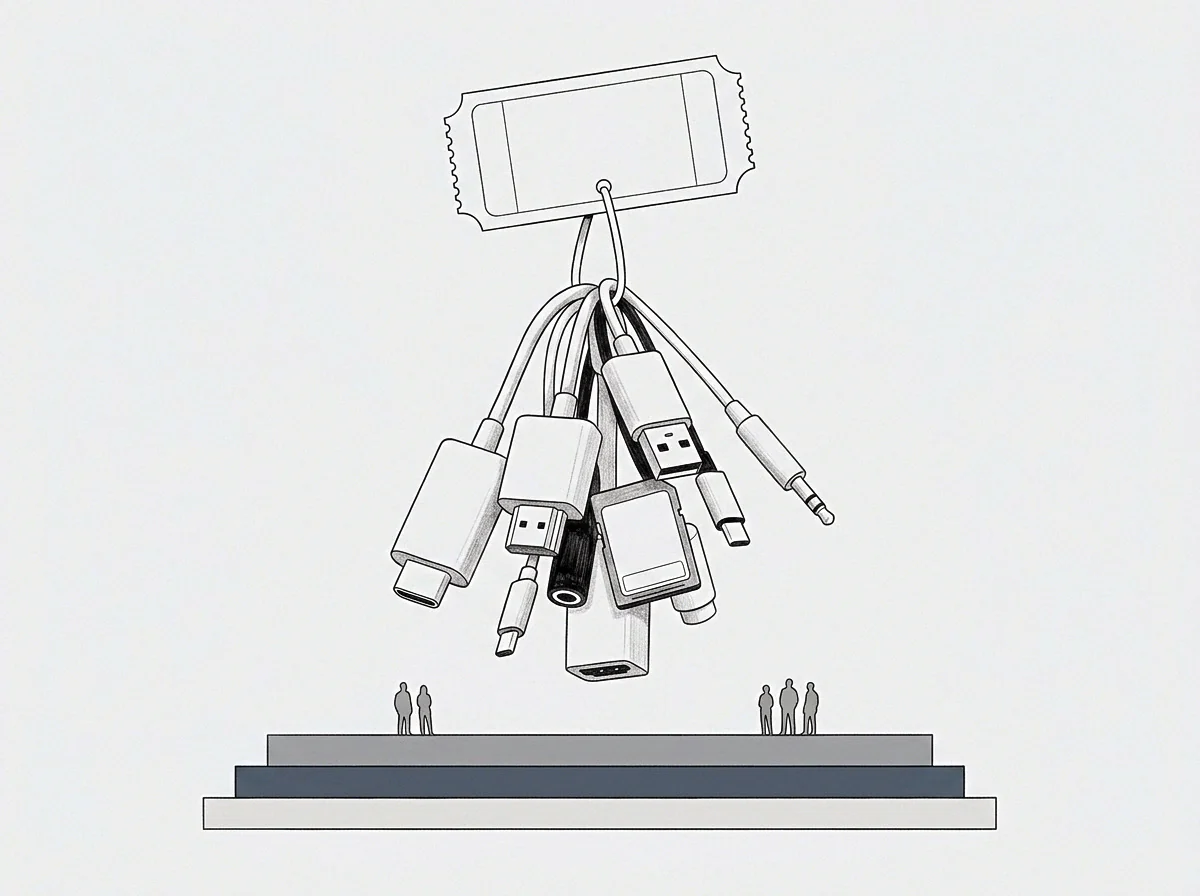
Meaning
Independent operational processing that proceeds without synchronous regulatory feedback enables an agent to complete computational or strategic tasks in isolation. By severing real-time dependency on external states, decoupled execution protects local task throughput from ambient volatility and interpersonal friction. The approach stops applying when immediate environmental coordination or bidirectional adjustment is mandatory for collective survival.
Latency Tolerance
Asynchronous operations accommodate significant delays in communication without stalling core production loops. Under decoupled execution, an individual ingests defined inputs, executes bounded transformations and emits outputs without waiting for immediate confirmation. This temporal insulation eliminates the cognitive drag of constant availability and preserves uninterrupted analytical depth.
Focus remains concentrated on the immediate problem architecture rather than on the fluctuating emotional states of external collaborators.
Asynchronous Buffer
Structural queues between functional units absorb incoming demand spikes and prevent sudden capacity collapse. By relying on decoupled execution, an organization allows individual contributors to process batched work at an internally calibrated cadence. This shielding conserves metabolic capacity by eliminating context switching and reducing autonomic vigilance.
Peripheral disturbances remain contained within the intake queue rather than penetrating the active execution workspace.
Failure Containment
Isolating execution pathways prevents systemic cascades when an upstream node falters or becomes hyperaroused. Because decoupled execution enforces clear operational perimeters, an error or collapse in one domain cannot instantly consume the attentional capacity of adjacent workers. This containment enables sustainable throughput across distributed teams under heavy strain, provided that integration checkpoints remain strictly governed and clear interfaces prevent boundary corruption.
Autonomous units maintain operational continuity even when surrounding infrastructure suffers severe degradation.