Meaning
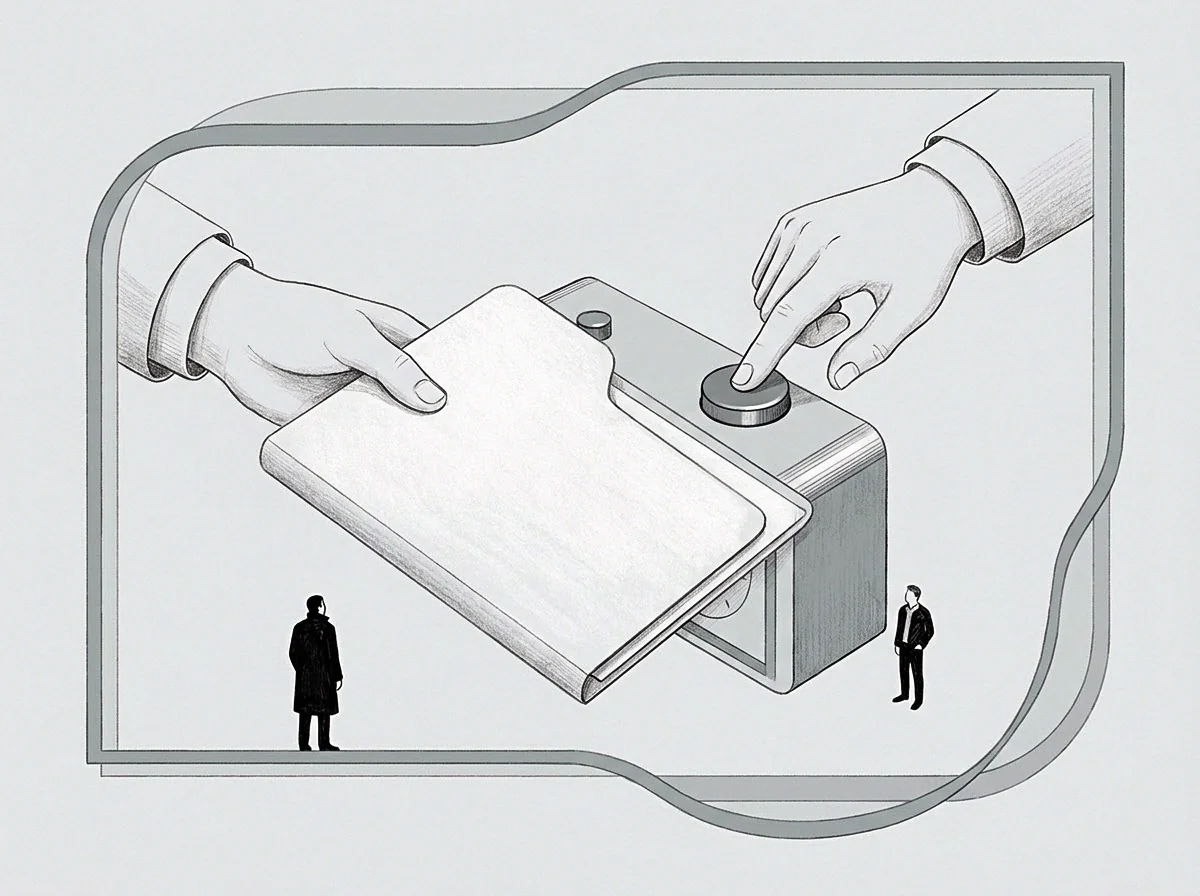
Systemic resource conservation occurs when the human organism reduces its physiological output in response to unrelenting environmental demands. The process of defensive down-regulation occurs when a leader’s nervous system shifts into a low-energy state to protect itself from prolonged operational overstimulation. This shift lowers the heart rate and reduces the overall sensitivity to external stressors, acting as a buffer against chronic exhaustion.
Biological Defense
Nervous system mitigation acts as a protective shield against acute allostatic burnout. Through defensive down-regulation, the body actively curtails the production of stress hormones to prevent structural damage to neural circuits. The transition lowers overall executive capacity, but it ensures that basic regulatory functions remain intact during times of extreme stress.
Operational Cost
Diminished strategic initiative is the direct consequence of a sustained low-energy state. When a founder is subject to defensive down-regulation, their ability to process complex strategic problems is severely compromised. The individual struggles to engage with long-term planning, and attention shifts entirely to immediate survival tasks.
This restriction of focus creates a bottleneck in the organization, slowing down critical execution paths and making collaborative negotiation highly difficult.
Adaptive Threshold
Functional limits govern the point where the nervous system can no longer sustain active engagement. When the threshold of tolerable stress is breached, the shift to a lower operational state becomes involuntary. Recovering from this protective posture requires a sustained reduction in cognitive demands over several weeks.