Meaning
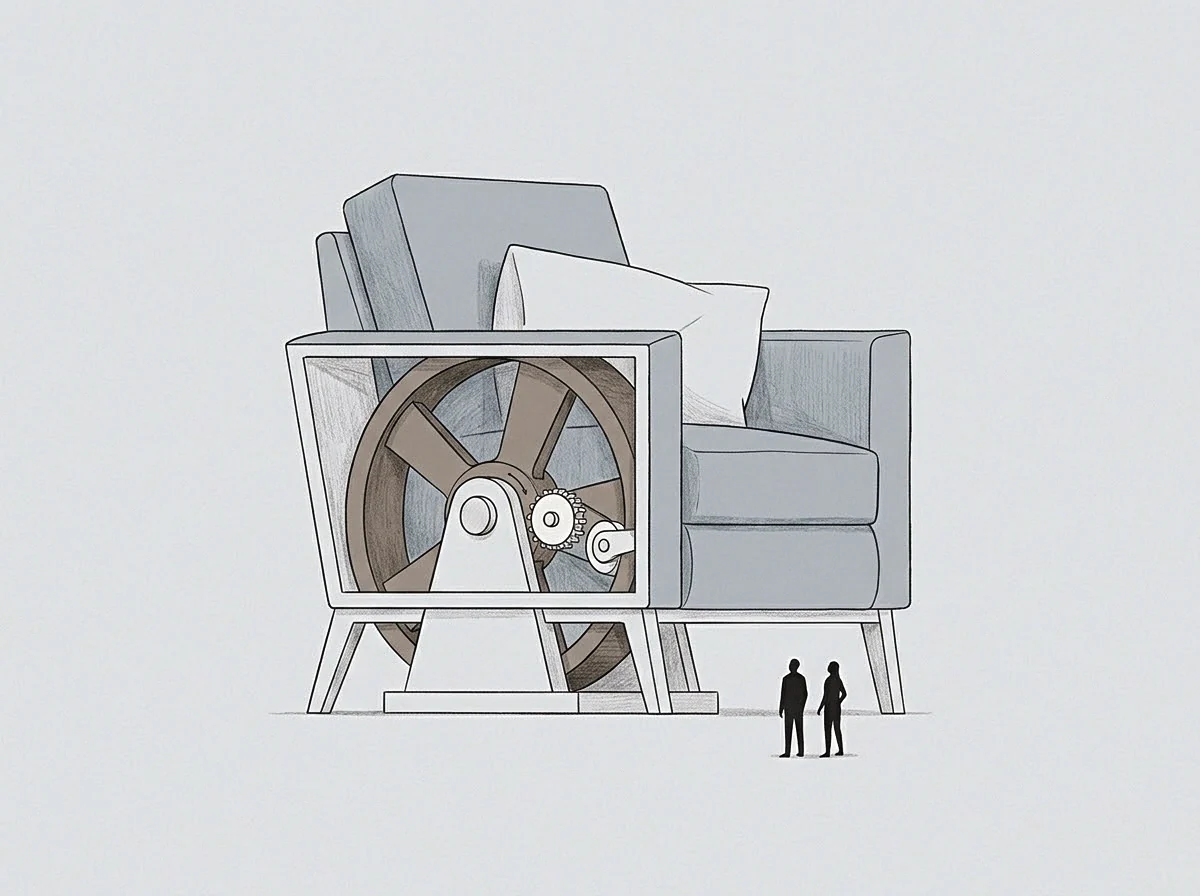
A protective state occurs when a founder deliberately reduces their interaction with external stakeholders to conserve cognitive capacity and shield themselves from noise. This defensive isolation helps the leader focus on internal operations and critical problem-solving during a crisis. The strategy comes at the expense of market intelligence and long-term relationship building, both of which require active and open channels.
Relational Cost
The withdrawal from professional networks limits the flow of incoming advice and strategic opportunities. This defensive isolation restricts the founder to their own perspective, increasing the risk of strategic errors.
Capacity Limit
Straining under a heavy workload, a leader often lacks the energy required to engage in meaningful social co-regulation. This depletion forces them to rely solely on self-regulation, which is a less efficient way to manage high stress. The long-term cost of this self-reliance is a gradual decline in the quality of executive decisions and an increase in mental exhaustion.
When the leader has no external sounding board, minor setbacks are perceived as catastrophic, which further increases the psychological cost of the role.
Operational Boundary
Organizations must design structures that prevent this withdrawal from turning into a permanent state. Regular, scheduled interactions with trusted advisors or a board of directors ensure that the leader remains connected to external realities. These mechanisms force a return to active engagement before the isolated state damages the company’s market position.