
Modifying Internal Working Models During High Stress Operations
Repeated exposure to contingent co-presence during operational threat recalibrates neural budgets and constructs an earned regulatory template.
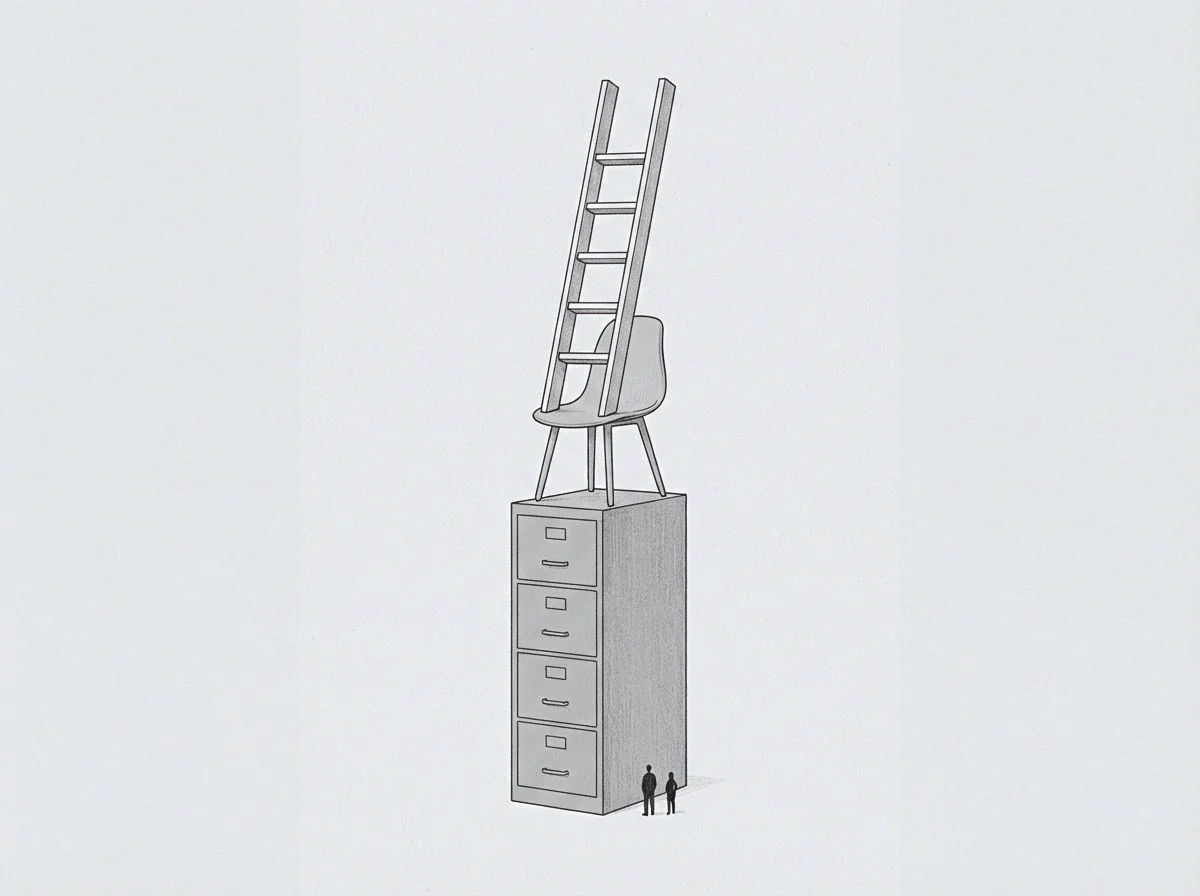
Alarm
At two in the morning during a production blackout, four operational threads stay active on the terminal screen in a quiet room. An operator monitors failing server clusters while incoming messages from executive leadership accumulate in an unread queue. Every alert demands immediate verification.
The operator processes the telemetry alone, turning away administrative assistance offered by a colleague on the night roster; the operator’s internal working model simply assumes that relying on another person introduces catastrophic delay.
A person running on isolated reserves registers incoming help as an operational tax.
Solitary Endurance Under Heavy Operational Stress
When high-pressure operational environments accelerate, early attachment patterns tend to govern behavioral choices. People who grew up expecting inconsistent support often treat self-reliance as an absolute defense. In commercial leadership, that habit looks like extraordinary competence under fire.
A founder absorbs technical volatility, legal threats, and structural uncertainty without asking for relief, but an energetic deficit accumulates beneath that visible control. The brain evaluates the threat against its own reserves alone, treating the rest of the team as bystanders or complications.
Self-regulation under sustained load drains cognitive bandwidth, and prefrontal control burns glucose fast when suppressing panic without social buffering. The human nervous system was never built to manage prolonged crises in isolation. When an operator serves as the sole shock absorber for institutional volatility, the metabolic toll compounds across shifts: sleep deteriorates as vigilance narrows into obsessive monitoring.
Meanwhile, partners assume conditions remain stable simply because no request for help ever appeared in the shared channel.
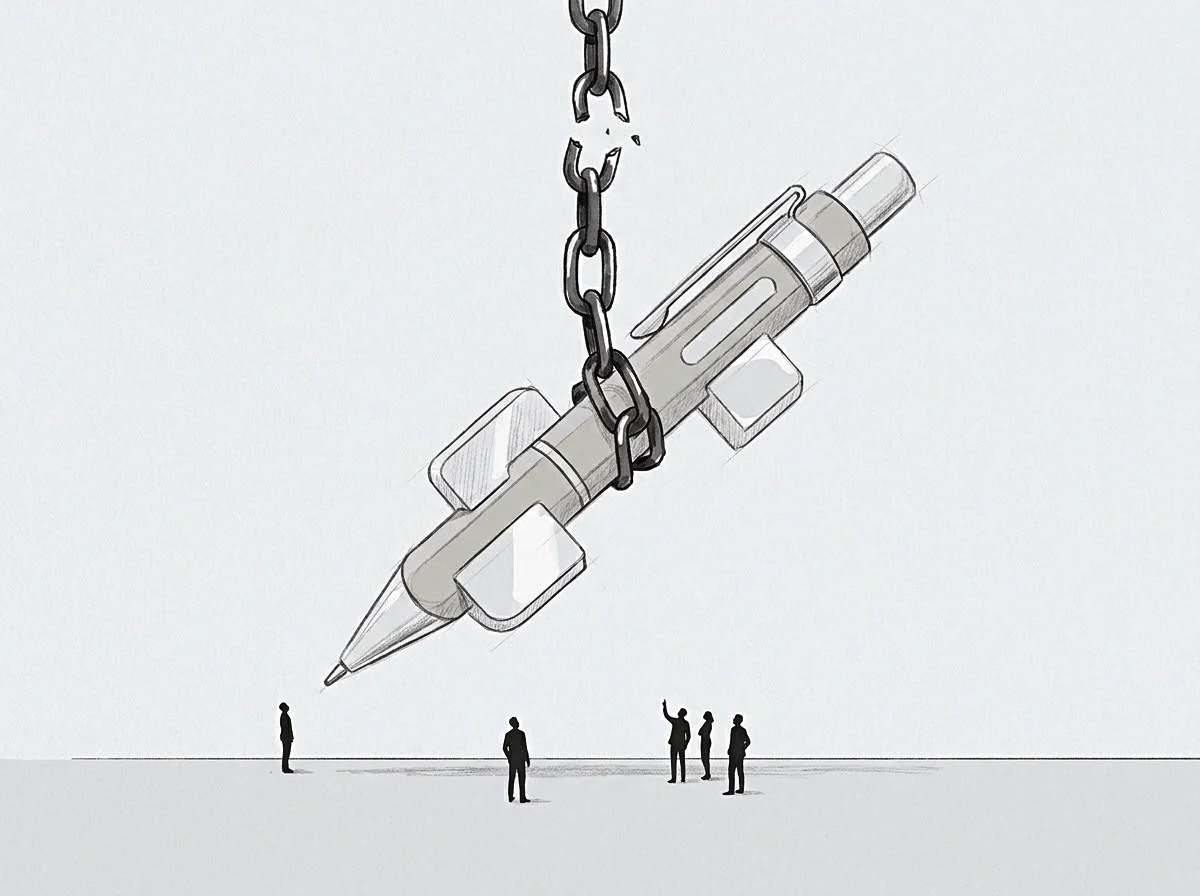
Rig
Physical structures fail when mechanical tension exceeds the load tolerance of their primary supports, and biological systems operate on the same principle. Under social baseline theory, the human brain treats social proximity as its default ecological baseline: environmental risk consumes less metabolic energy when companions share the load of monitoring threats. In clinical settings, the measured reduction of dorsal anterior cingulate cortex activation during perceived danger relies on functional magnetic resonance imaging of adult couples.
If continuous biometric telemetry during unscripted commercial failure shows identical prefrontal oxygenation regardless of whether others are present, the neural baseline model loses its explanatory force under operational pressure.
When an operator faces an escalating crisis alongside a trusted partner, proximity alters biological expenditure: the hypothalamus dials down its release of corticotropin-releasing hormone. The perceived scale of the problem shrinks because the nervous system maps the emergency against two sets of sensory inputs and two motor systems. Without a regulatory partner, the operator has to sustain the entire physiological response from private energetic reserves alone.
The worker who remains calm alone under pressure attracts fresh operational assignments.
Comparative Energetics of Solitary and Distributed Regulation
The distinction between solitary containment and shared threat appraisal shows up clearly in organizational performance metrics. Teams organized around a single stoic leader experience abrupt failures once that individual reaches biological exhaustion, as the mounting pressure only isolates them further. By contrast, distributed teams absorb shocks by spreading defensive duties across several colleagues, reducing the physiological burden on any one person.
| Model Variant | Operational Baseline | Threat Response Profile | Regulatory Expenditure |
|---|---|---|---|
| Solitary Reserve Template | Social isolation assumed normal; threat scanning performed exclusively through personal vigilance. | Hyper-fixation on immediate control; suppression of distress signals; refusal of auxiliary aid. | Maximum metabolic burn; rapid prefrontal depletion; elevated baseline cortisol. |
| Shared Presence Template | Social proximity assumed default; collective monitoring distributes cognitive load across the unit. | Active verification of shared status; rapid coordination; functional distribution of tactical tasks. | Conserved energetic reserves; attenuated autonomic arousal; rapid post-threat recovery. |
When an operator stays composed through long periods of isolation, managers often pile on further work, mistaking quiet endurance for an inexhaustible capacity.
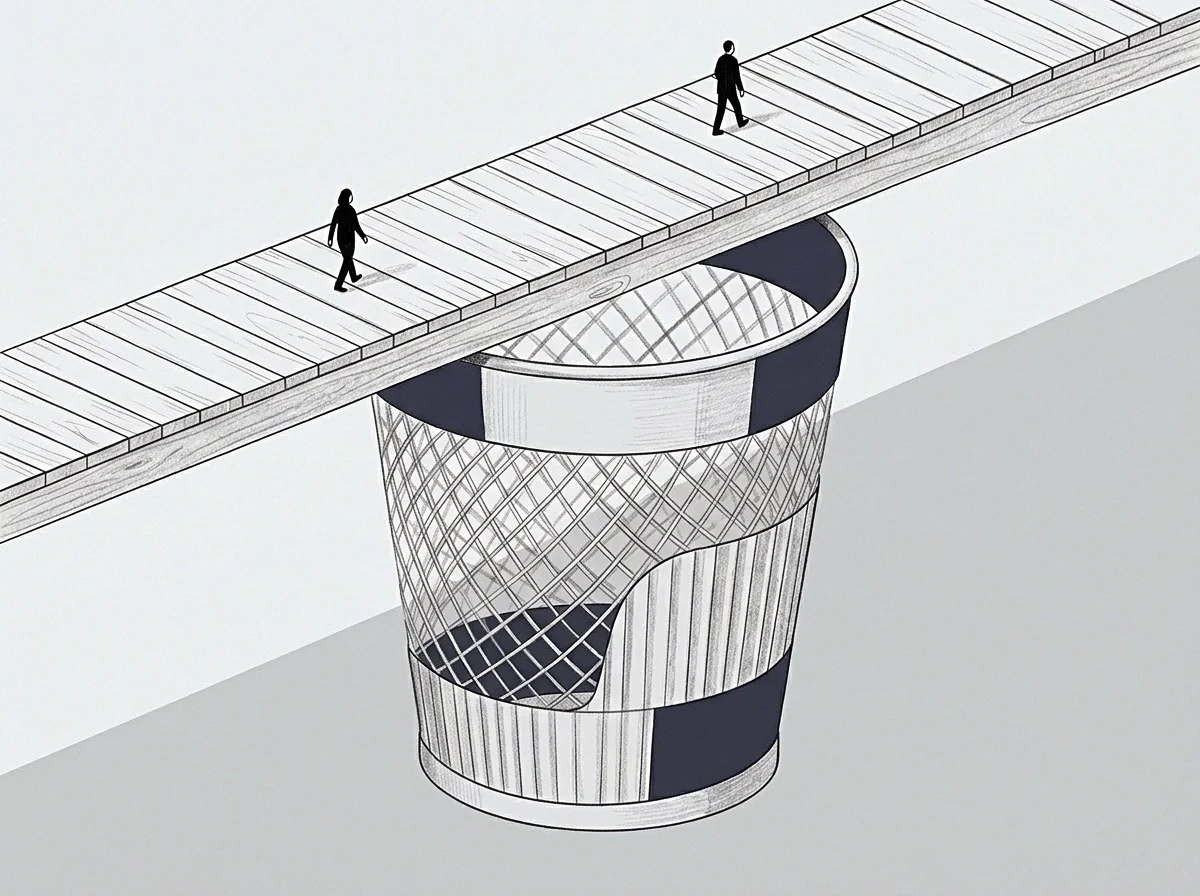
Slot
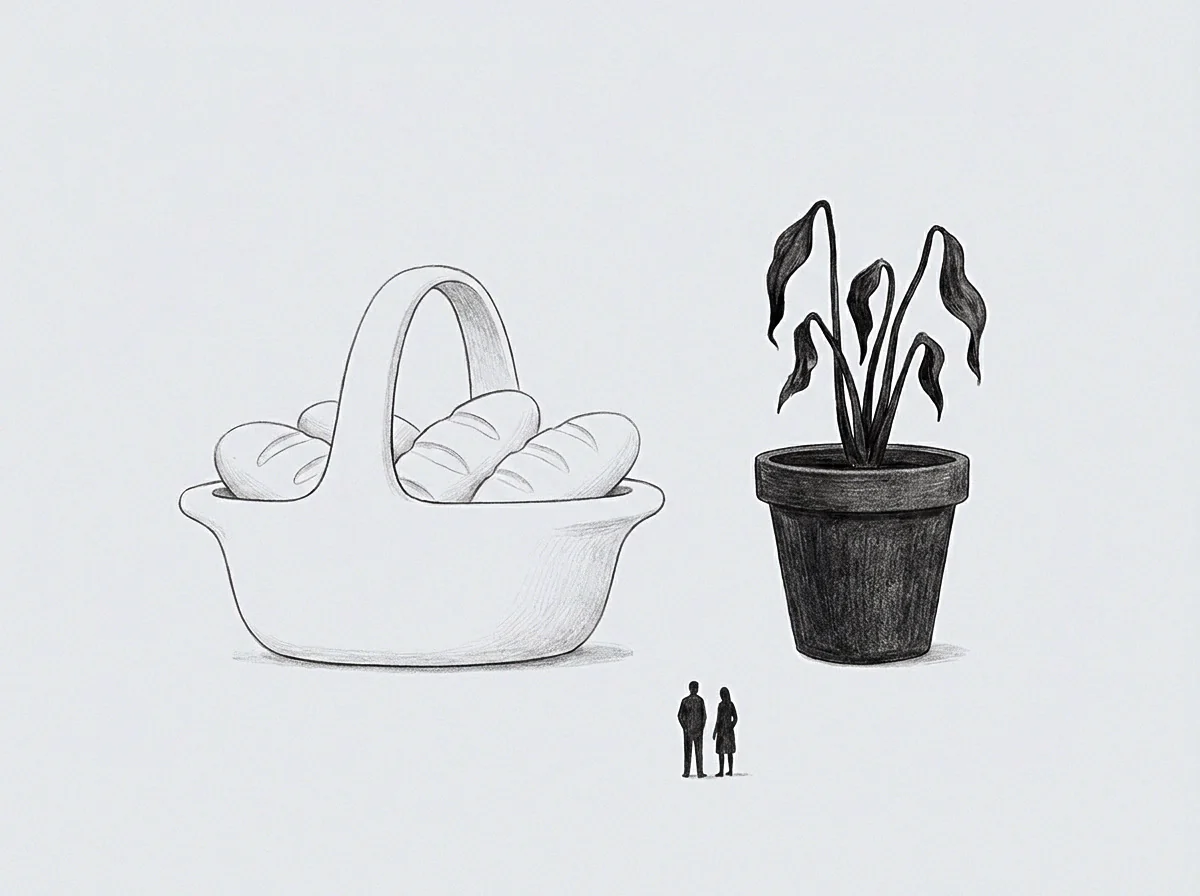
A vessel cannot take in liquid if its intake valve is welded shut, and the inverted working model functions the same way. An operator raised to stabilize erratic caregivers often internalizes the role of universal shock absorber, learning to calm others while lacking any functional receptor slot for borrowed support. When a colleague steps in with real assistance or takes over a critical operational stream, the response is not relief, but a spike in vigilance.
When an operational environment supplies reliable proximity, the neural cost of survival drops across every active loop.
Receptive Capacity During Sustained Crises
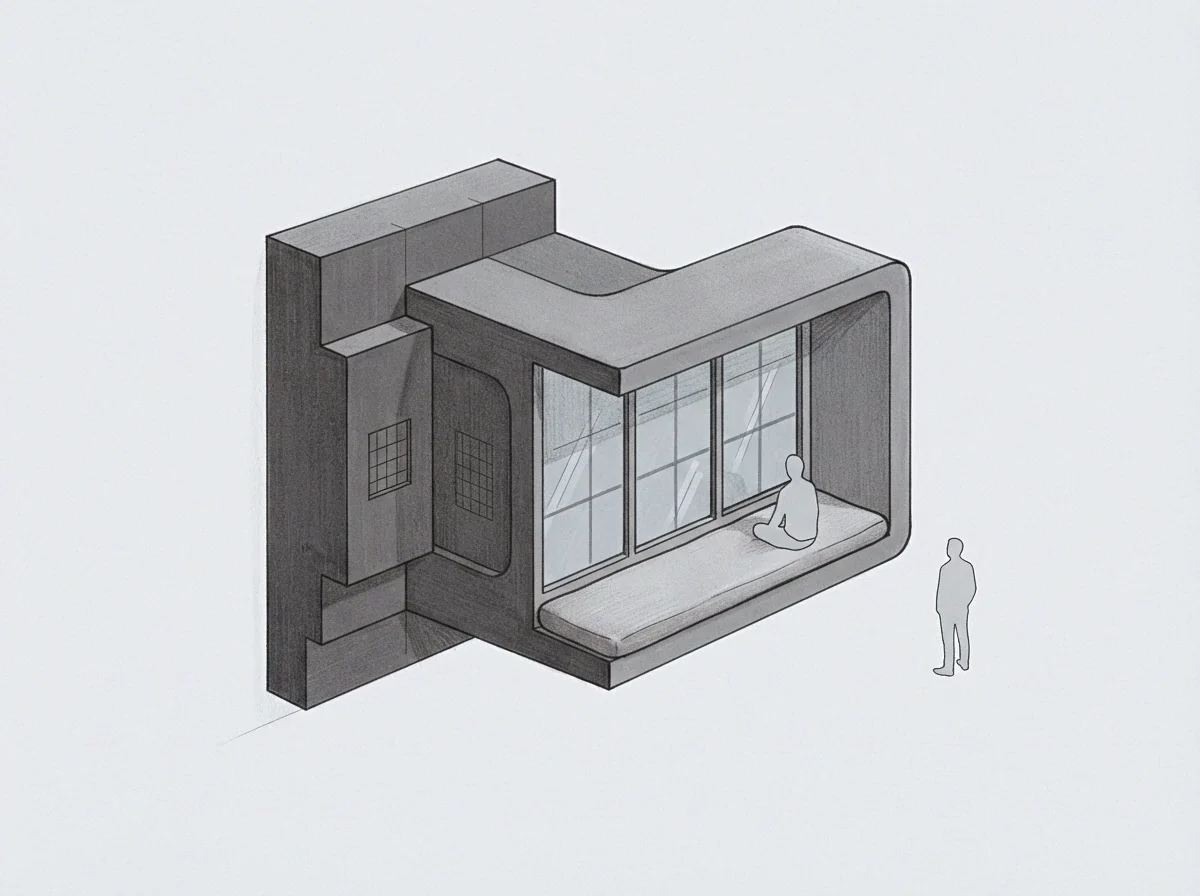
Altering that internal posture requires opening a receptive channel while operations are actively running. Accepting help under pressure is less an intellectual choice than a physiological tolerance that has to be rehearsed under real load.
- Receptive vacancy marks the state where incoming support registers as cognitive overhead rather than functional assistance.
- Contingent responsiveness provides an immediate biological signal that a secondary actor shares the physical threat.
- Predictable presence allows the nervous system to recalculate energetic expenditure across prolonged commercial emergencies.
The operator gradually allows an incoming partner to absorb part of the strain, but that handoff depends on explicit agreements set before an incident starts. Stating limits in advance turns vague relational assumptions into clear operational boundaries.
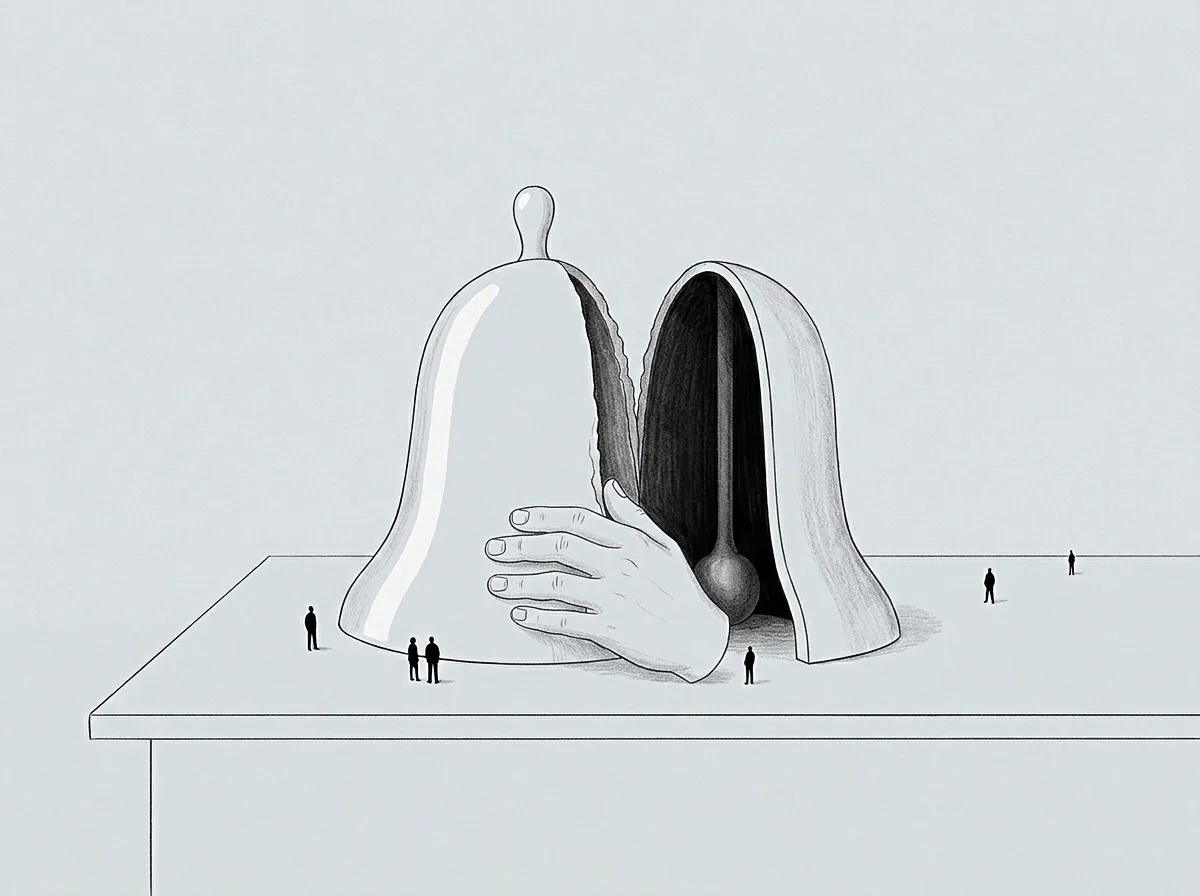
Habit
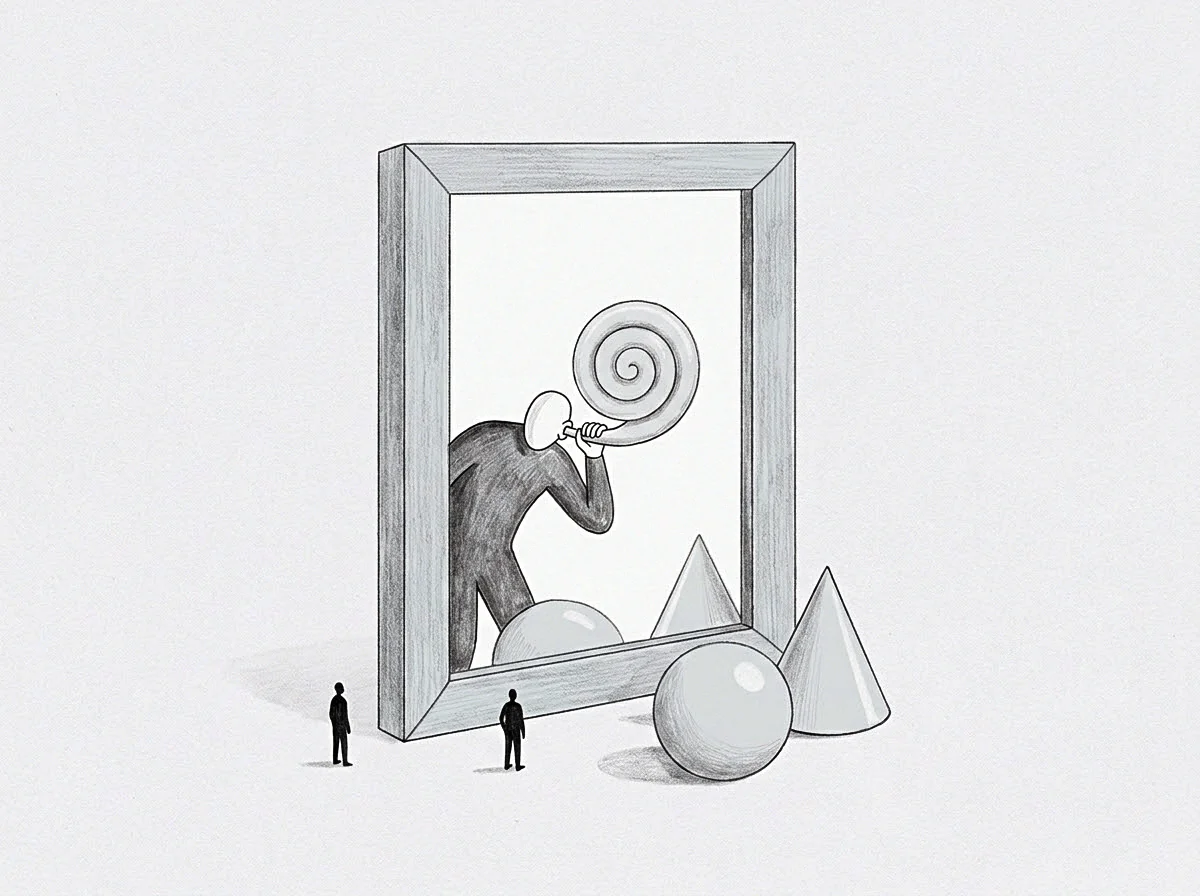
Repetition engraves automated responses deep in the basal ganglia, and under heavy operational threat the brain defaults straight to those early circuits. Intellectual knowledge of attachment theory offers no real defense against subcortical habits. A leader can read shelves of behavioral science during calm periods and still sever every collaborative link the moment revenue drops.
Can Operational Pressure Force A Working Model Shift?
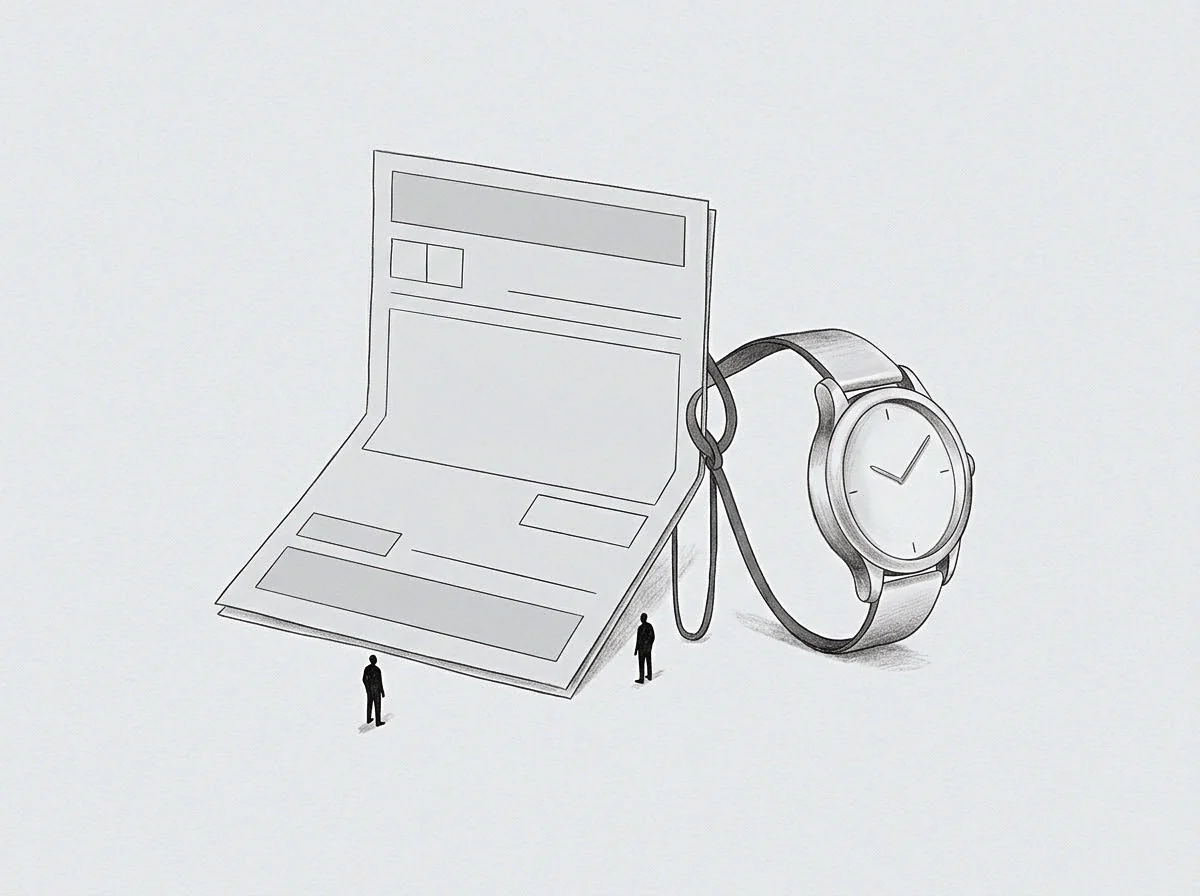
Acute crises usually reinforce defensive withdrawal. The development of earned security is documented through long-term attachment assessments across adult relationships; if teams under pressure continue to rely on protective isolation despite shared material support, the timeline for genuine change is longer than clinical estimates suggest. That shift occurs only through consistent mismatches between old expectations and actual outcomes: an operator anticipates abandonment, risks expressing a vulnerability, and meets steady, capable support instead.
Evidence remains unsettled on whether a structural shift can occur at the peak of an acute corporate crisis, or whether the nervous system simply postpones reorganization until the pressure clears. Given that uncertainty, an operator relies on strict physical pauses rather than attempting psychological adjustments mid-incident. When commercial panic spikes, altering an internal framework matters less than preventing autonomic collapse.
Whether an adult nervous system can dismantle its oldest defenses while immediate survival depends on flawless performance remains an open biological question.
Dock
Ships tie off to heavy pilings to bleed oceanic motion into the ground. Similarly, an operations team only works when individual members can anchor their own physiological regulation to the structural cadence of the company. In marine engineering, redundant valves keep systems from rupturing by venting high-pressure steam into secondary chambers.
Commercial organizations routinely disregard that mechanics, expecting a single engineer or executive to absorb company-wide volatility without an exhaust.
The stated limit forces incoming pressure to strike the organizational boundary rather than the person standing behind it.

Constructing Earned Security in Critical Operational Rhythms
Modifying internal models under real operating conditions requires structural anchors that enforce co-regulation. Rather than depending on individual emotional resilience, organizations set protocols that eliminate solitary decision-making during major outages. Two engineers verify production deployments together.
Incident commanders rotate off duty every ninety minutes regardless of the state of the system. Post-incident reviews examine how physiological strain was distributed across the team alongside technical root causes.
Repeated exposure to coordinated structures gradually builds an alternative working model. Through direct experience, a founder learns that handing off critical duties does not trigger a catastrophe. Over twelve to eighteen months of high-stakes work supported by rigid operational margins, the brain recalculates its baseline threat response.
The receptor slot opens because holding the line alone is no longer treated as a requirement for professional survival. When a company treats individual self-reliance as an infinite resource, the unacknowledged metabolic strain eventually forces a systemic collapse.