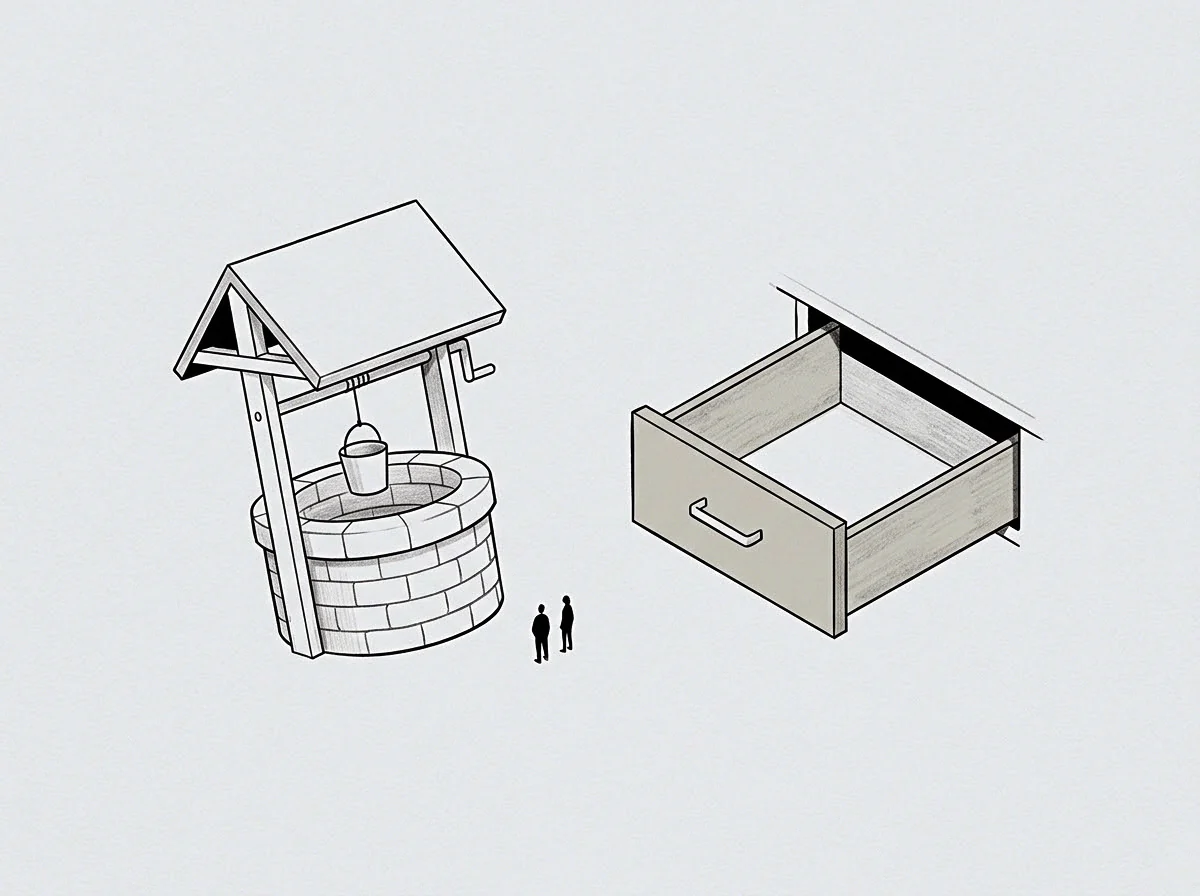
Meaning
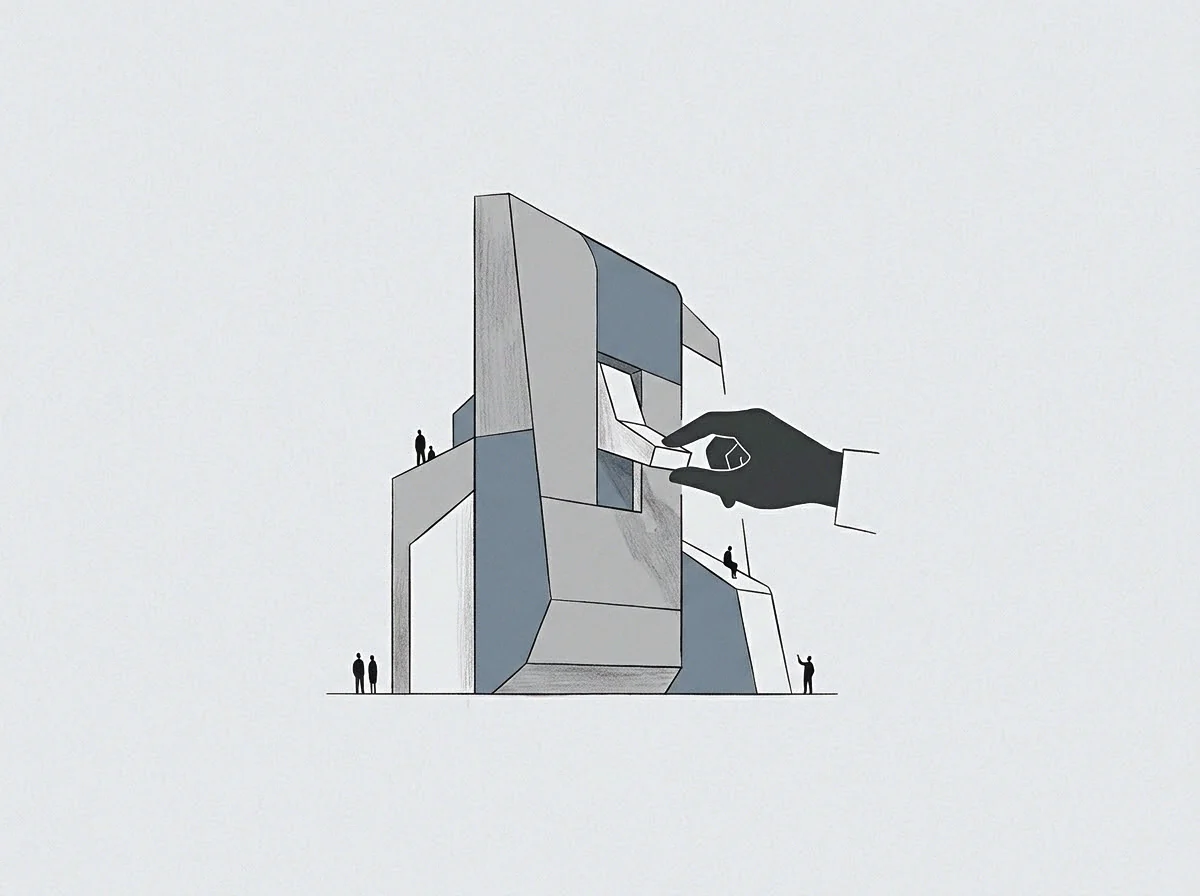
Structural demarcations define the operational envelope where outgoing leadership relinquishes day-to-day administrative authority to successor teams. Maintaining a delegation perimeter separates high-level advisory functions from granular execution processes across engineering, sales, and capital expenditure. The boundary clarifies which operational domains require founder absence to cultivate executive autonomy.
Its relevance fades when catastrophic enterprise failure threatens corporate survival and demands direct crisis management.
Functional Envelope
Corporate documentation marks exact operational zones where the incoming executive team operates with total independence. Inside the delegation perimeter, departmental leaders alter internal structures, adjust compensation models, and terminate contracts without checking with prior leadership. The predecessor retains observer seats and broad governance votes, but holds no administrative leverage over daily operations.
This separation prevents shadow governance structures from confusing staff. Power flows strictly along established reporting lines.
Vigilance Overhead
Relinquishing operational control reduces the allostatic load of continuous organizational oversight. Defending an ambiguous boundary forces a former leader to monitor trivial developments, sustaining high levels of vigilance that exhaust neural resources. An explicit delegation perimeter eliminates this ambiguity, granting the individual permission to disengage from real-time communication channels.
The cost of constant vigilance drops rapidly once operational oversight stops being a personal obligation. Relinquishing minor controls restores cognitive clarity.
Succession Latency
Establishing clear administrative borders exposes skill deficits in incoming managers before minor issues snowball into systemic crises. When a delegation perimeter is strictly honored, emerging leadership must solve unexpected logistical headaches without leaning on founder instincts. The team experiences the actual weight of unilateral responsibility, building functional competence through direct friction.
If the founder breaches the perimeter during turbulent quarters, succession stalls and organizational maturity reverses. Corporate autonomy requires absolute non-interference within the defined operating zones.