Meaning
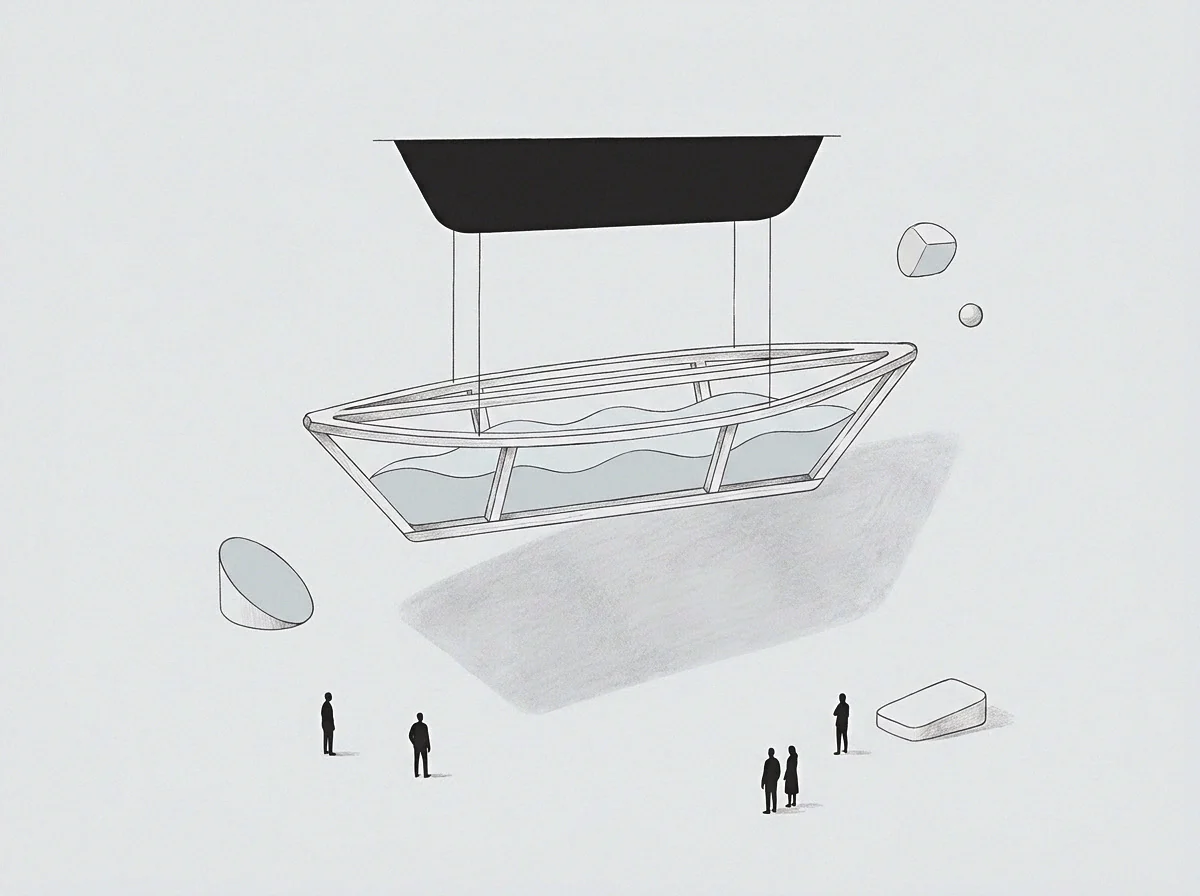
This condition defines the transition from a state of total vocational absorption back to a framework governed by conventional social schedules and shared decision-making. Domestic re-entry encompasses the shift in personal autonomy and identity management that follows the conclusion of a high-stakes tenure. The phenomenon marks the limit where the unique temporal demands of founding no longer dictate the daily parameters of life.
Cognitive Load
The brain requires specific intervals to process the dissipation of chronic hyper-vigilance once the source of the pressure recedes. Founders frequently struggle to adjust their internal clock, which was calibrated to operate in states of constant urgency, to a slower pace where interruptions are not inherently perceived as threats to existence. This requirement for deceleration represents a non-negotiable tax on capacity during the initial phase of post-founding life.
Regulatory Adaptation
The external support structures that once facilitated decision-making must shift from professional reliance back to personal and social interdependence. This process forces a redistribution of attention that was previously monopolized by business milestones. Individuals who maintain the same intensity of focus on home-based tasks often encounter friction because the feedback loops are less immediate than those found in startup environments.
Boundary Persistence
Habitual responses learned under the conditions of extreme organizational scarcity often persist long after the situation has been resolved. Such patterns dictate how time is perceived and how minor personal tasks are prioritized or ignored. The persistence of these modes creates a structural lag between the cessation of professional duties and the attainment of stable domestic functioning.