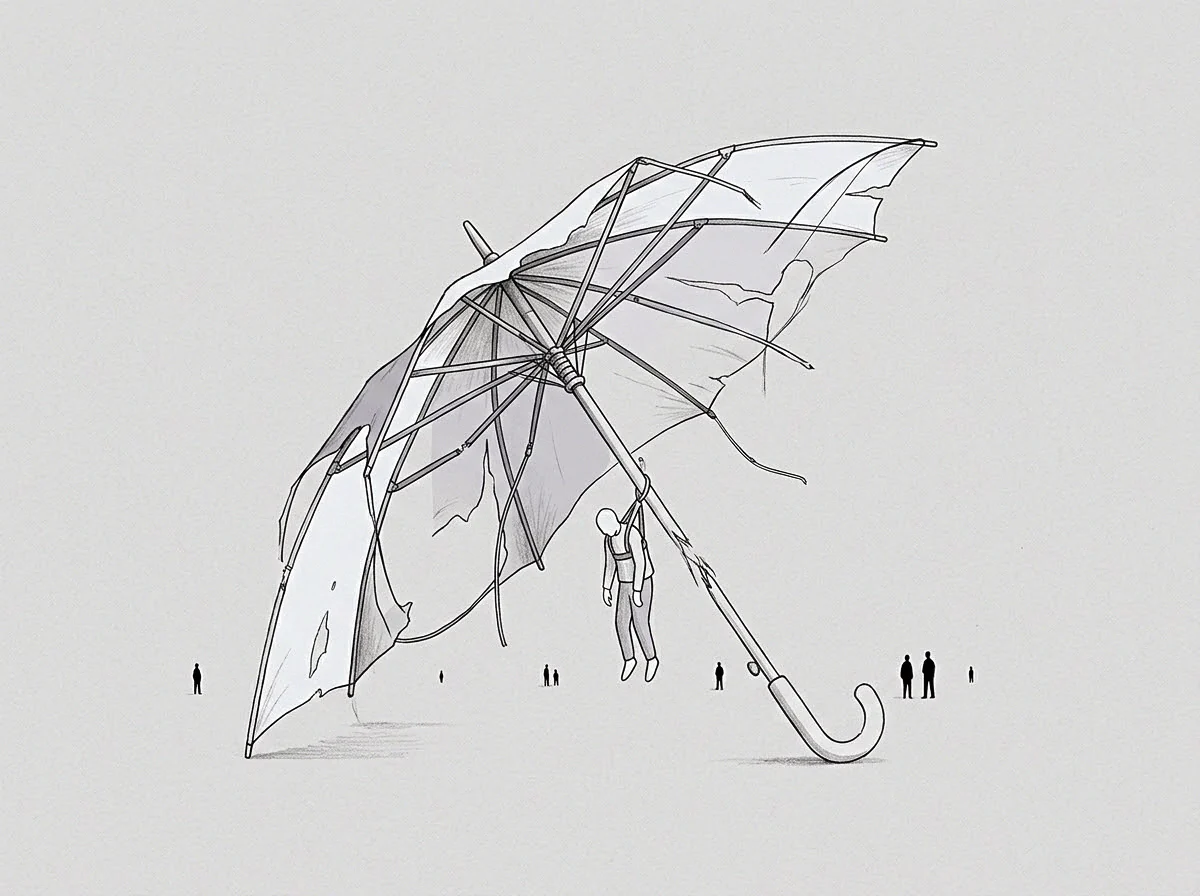
Meaning
Conscious inhibition of affective expression alters autonomic signaling while masking internal physiological states from external observers. In executive positions following company formation, emotional suppression functions as a tactical restraint intended to preserve external composure during operational friction. The individual intentionally mutes overt facial movements and vocal inflections under heavy interpersonal scrutiny.
This behavior ceases to apply during unmonitored private states where external communicative pressure completely dissipates.
Autonomic Burden
Voluntary containment of visible feeling produces sharp elevations in sympathetic nervous system activation. When an executive relies on emotional suppression, peripheral vasoconstriction accelerates and blood pressure rises despite outward physical stillness. The metabolic cost of freezing behavioral displays consumes glycogen reserves that would otherwise support cognitive analysis.
Suppressing visible distress requires sustained prefrontal exertion to override subcortical expressive impulses. Internal strain accumulates silently under this outward stillness. Prolonged physical constraint depletes local glucose reserves.
Extended reliance on containment leaves somatic systems operating under heightened cardiovascular resistance.
Communicative Distortion
Masked affect impairs interpersonal coordination by denying counterparties the social data required for reciprocal adjustment. Observers register suppressed responsiveness as ambiguous tension, which prompts increased vigilance and guarded communication. Chronic reliance on emotional suppression undermines collaborative trust without resolving the primary operational disagreement.
Counterparties react directly to the hidden somatic tension. Clear transmission of priorities degrades when expressive signals are continuously choked off.
Attentional Overhead
Dual-task interference degrades working memory whenever an operator allocates processing reserves to behavioral masking. The conscious monitoring required to maintain a blank visage competes directly with real-time decision processing. Executive capacity falters under this divided load, slowing information retrieval and narrowing associative reasoning.
Heavy cognitive costs drain resources needed for high-order organizational oversight.