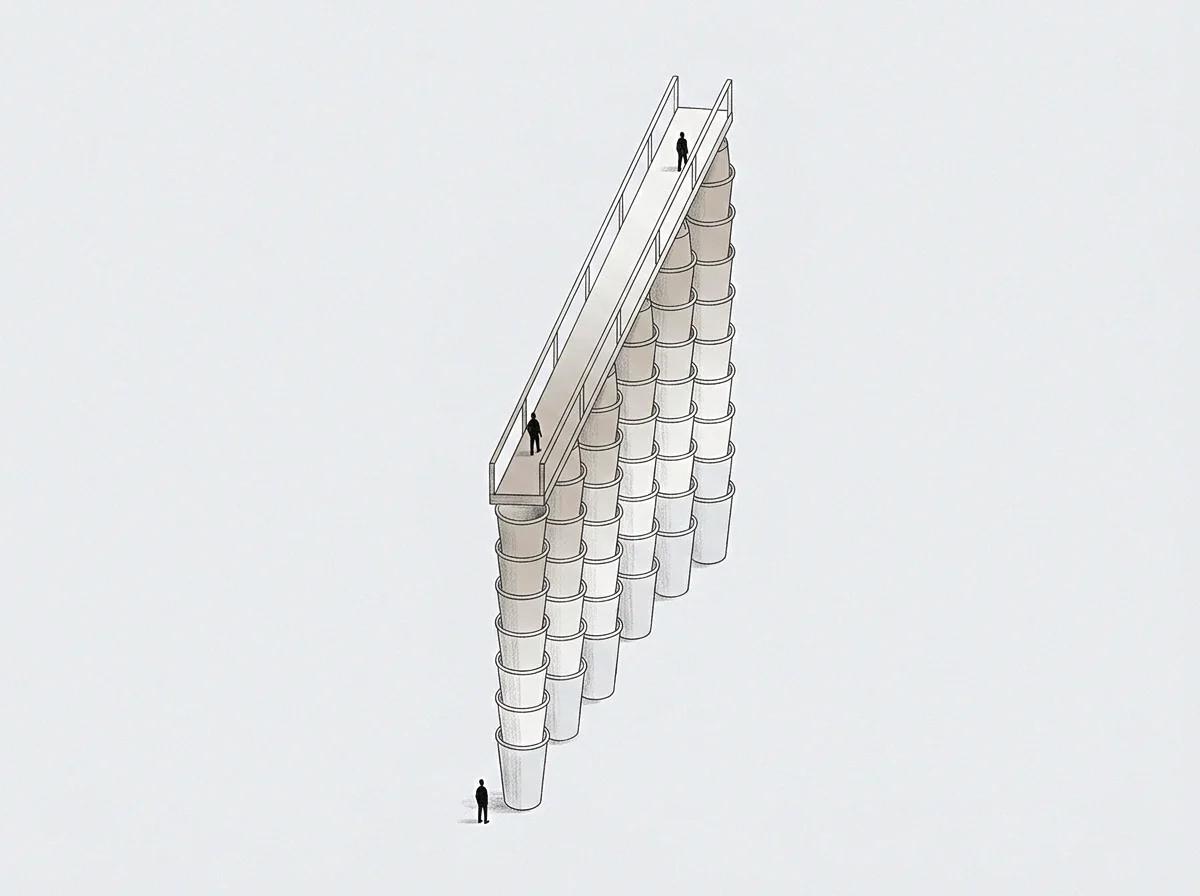
Meaning
Physiological adjustments in hormone production cycles occur when an individual moves from a high intensity environment to a state of lower demand. This endocrine recalibration involves the gradual lowering of cortisol and adrenaline levels that were previously elevated to sustain peak performance. It measures the rate at which the body returns to a metabolic state focused on recovery rather than defense.
The process stops once the hormonal profile reaches a stable equilibrium consistent with long term health.
Biological Latency
Physical recovery from sustained stress takes longer than the mental decision to stop working. Systems that were tuned for rapid response do not instantly return to a resting state. This lag means the person may still feel the physical effects of pressure even after the external situation has resolved.
Metabolic Shift
Energy allocation changes as the body stops prioritizing immediate physical readiness over internal maintenance. During endocrine recalibration, a person might experience fluctuations in sleep quality and appetite. These symptoms are signs of the underlying adjustment in the chemical signaling network.
Resource Restoration
Returning to a baseline state allows for the replenishment of cellular energy stores. Without this periodic resetting, the risk of chronic exhaustion increases. The restoration of normal hormone levels is the primary indicator of successful recovery.