Meaning
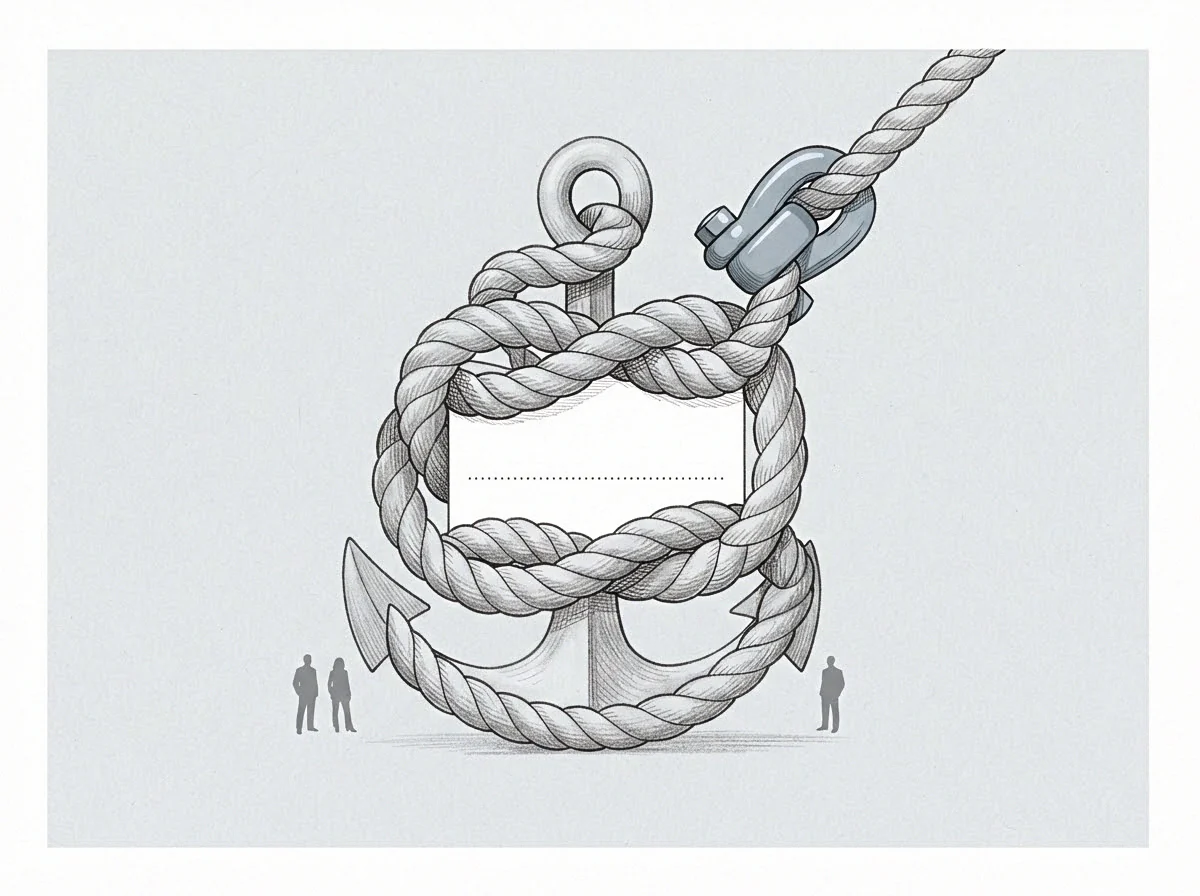
A structural tracking mechanism records discrete governance eras or state transitions across the operational life of an enterprise. An epoch counter advances strictly in one direction whenever ownership arrangements, board composition, or executive authorities undergo fundamental restructuring. This numerical sequence establishes clear boundaries between historical authority models and current governance regimes, ensuring stale operational instructions are invalidated automatically.
In post-founding systems, the boundary where it stops applying occurs when decision authority becomes entirely algorithmic or when no human operator holds residual governance rights.
Monotonic Sequence
System architecture enforces ordering by incrementing state variables upon every major leadership reorganization. Deploying an epoch counter prevents retired founders or legacy boards from issuing binding commands to active operations. When a former director attempts to execute administrative changes under an old authorization key, the discrepancy between historical markers and active sequences triggers an immediate rejection.
Legacy credentials lose validity instantly, neutralizing stale authority without requiring manual key revocation across distributed teams.
Boundary Threshold
Transition invalidation occurs whenever state updates bypass the designated sequencing log. If an epoch counter encounters out-of-order sequence injections, command processing halts until manual reconciliation re-establishes valid state lineage. This constraint prevents race conditions during chaotic corporate transitions, protecting institutional capacity from conflicting directive streams.
Operational Tax
Maintaining precise state lineage demands deliberate mental allocation from active executives. Updating an epoch counter during high-stress governance shifts adds immediate administrative friction, consuming precious leadership attention when speed feels paramount. While this overhead prevents concurrent directive failures, the continuous verification protocol consumes finite attention capacity from post-founding leaders who must validate every operational transition.