Meaning
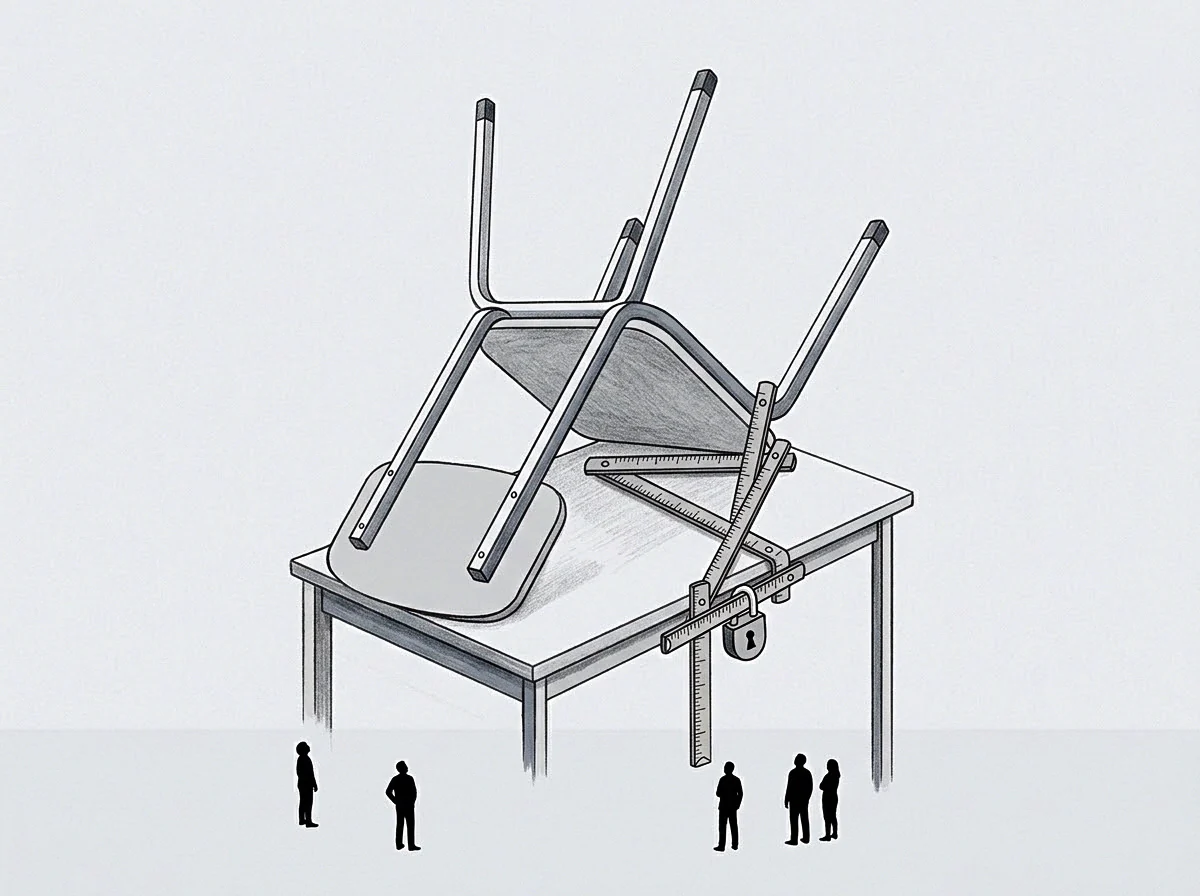
A design feature in reporting structures regulates the time that must pass before a minor issue is brought to higher authority. An escalation delay prevents minor operational friction from immediately consuming the limited attention of senior leadership. This pause allows junior managers time to resolve the issue independently within their own departments.
It protects the primary operator from being overwhelmed by non-critical problems.
Operational Penalty
Enforcing a mandatory waiting period before seeking higher intervention requires mid-level managers to bear more local responsibility. These leaders must struggle with problems that they might otherwise transfer up the hierarchy. This exercise of local authority builds problem-solving capacity within the middle tiers of the firm.
However, the temporary delay also risks letting a small problem expand if the local team fails to resolve it.
Structural Boundary
The constraint applies to routine operational disputes but disappears in the event of a critical system failure or legal emergency. Security breaches and regulatory violations bypass the delay and trigger immediate executive notification. This boundary ensures that catastrophic risks are never hidden behind bureaucratic buffers.
Strategic Outcome
Long-term organizational resilience grows as decentralized teams learn to handle friction without senior intervention. This self-reliance fosters a robust management culture. In the long run, the founder’s cognitive load is reduced, freeing up hours for strategic growth.