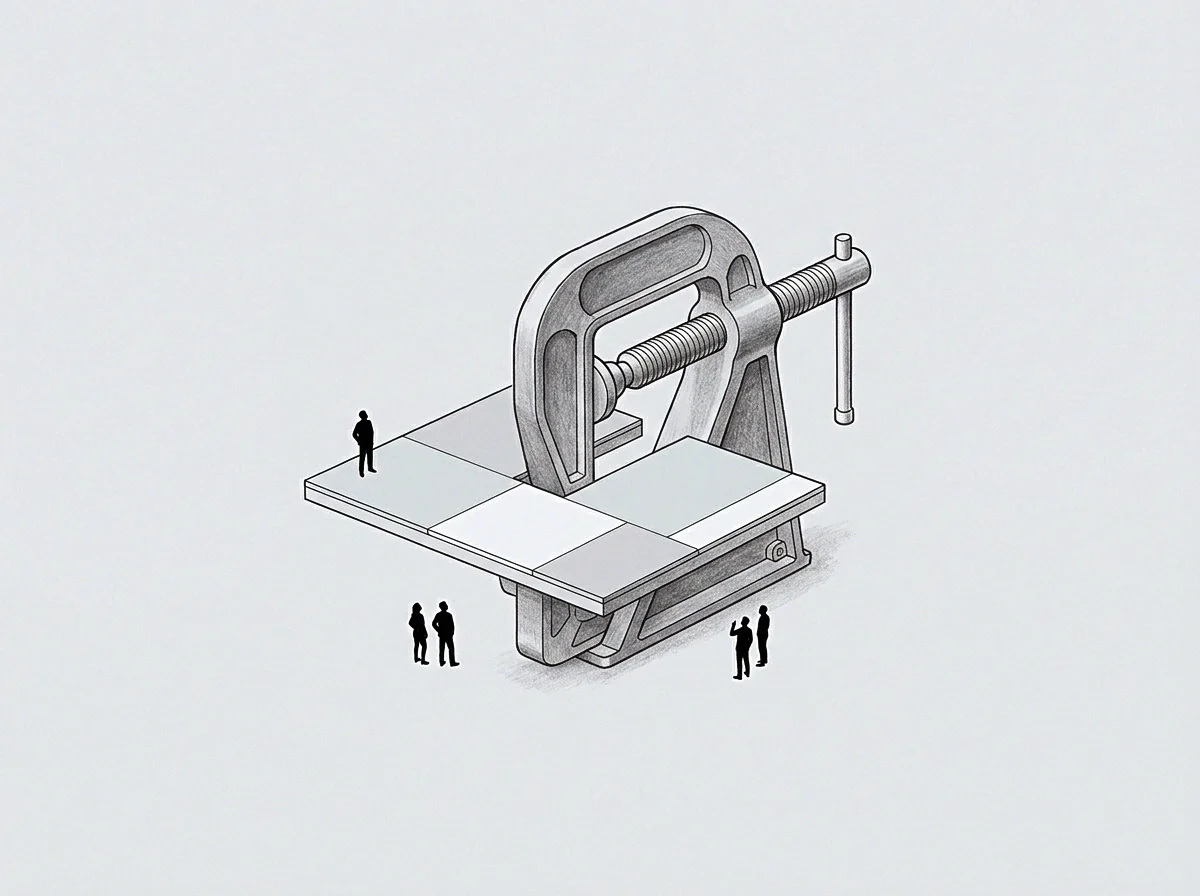
Meaning
Quantitative or qualitative boundaries that determine when a variance in performance requires manual intervention from a higher authority. The exception thresholds function as a filter that separates normal operational noise from genuine signals of failure. This standard defines the acceptable range of autonomy for a delegate or a system.
It ceases to be effective if the threshold is set so low that every minor fluctuation triggers an alert.
Trigger Sensitivity
Setting these levels requires a precise understanding of what constitutes a threat to the business. If the exception thresholds are too tight, the founder becomes a micro-manager by default.
Intervention Range
Only when a metric crosses the line do the exception thresholds mandate a change in the mode of regulation. This shift from passive monitoring to active correction is a high-cost event for a leader. Clear definitions ensure that the intervention is expected and justified.
Without these marks, the founder might intrude on a team’s process out of anxiety rather than necessity.
Attention Protection
The primary benefit of well-defined limits is the preservation of the leader’s mental capacity. By ignoring everything within the exception thresholds, a person gains hours of uninterrupted focus for long-range planning. This strategy shifts the focus from managing people to managing the boundaries of their roles.
It acts as a shield against the constant drip of minor operational demands that consume the energy needed for high-level regulation. It is a fundamental tool for reducing the allostatic load of leadership.