Meaning
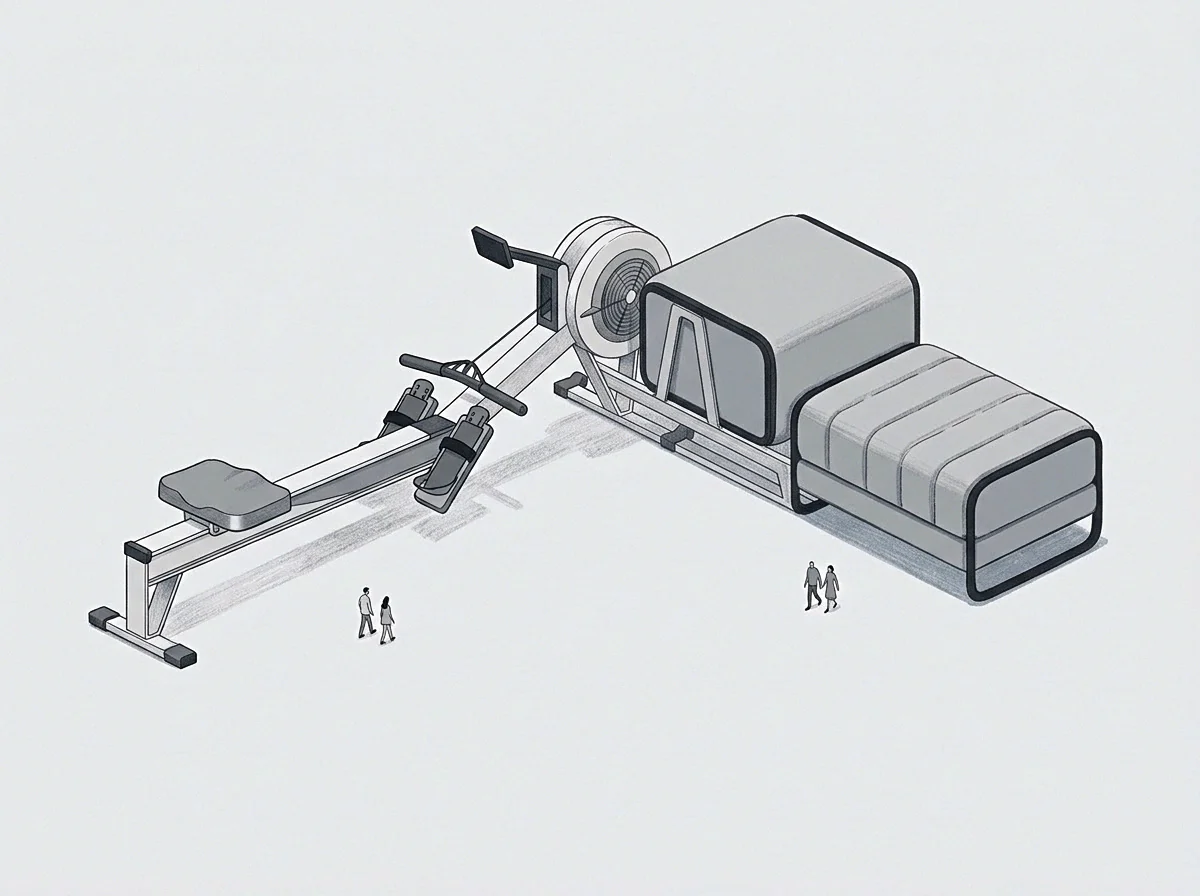
Operational performance benchmarks contrast theoretical workflow velocity against actual task completion rates inside an organization. Execution friction measures the structural, procedural, or psychological resistance that slows operational output below baseline design capacity. This systemic drag absorbs executive effort, delays product delivery, and increases energy costs without contributing directly to enterprise value.
The concept stops applying to irreducible physical or statutory requirements that govern an activity.
Procedural Obstacle
Internal procedures often introduce redundant approvals and fragmented communication channels into routine business workflows. High execution friction obliges teams to spend disproportionate hours navigating administrative hurdles, verifying routine data, and seeking redundant sign-offs. These procedural obstacles generate latent delays that compound across sequential project phases.
Capacity Drain
Sustained operational resistance imposes heavy psychological and physiological taxes on individual founders and key managers. Navigating continuous execution friction exhausts prefrontal cortex resources as simple directives require constant personal monitoring and persistent follow-up to achieve completion. The resulting fatigue reduces decision quality, increases frustration, and drives chronic stress across operational leadership.
Over time, key personnel burn personal energy managing administrative gridlock rather than driving strategic initiatives. This energy drain reduces overall organizational agility and creates persistent workforce dissatisfaction.
Systemic Drag
Process optimization reduces administrative drag by replacing ambiguous workflows with standardized decision rules. Addressing execution friction demands systematic audit of approval nodes, tool chains, and internal communication protocols.