Meaning
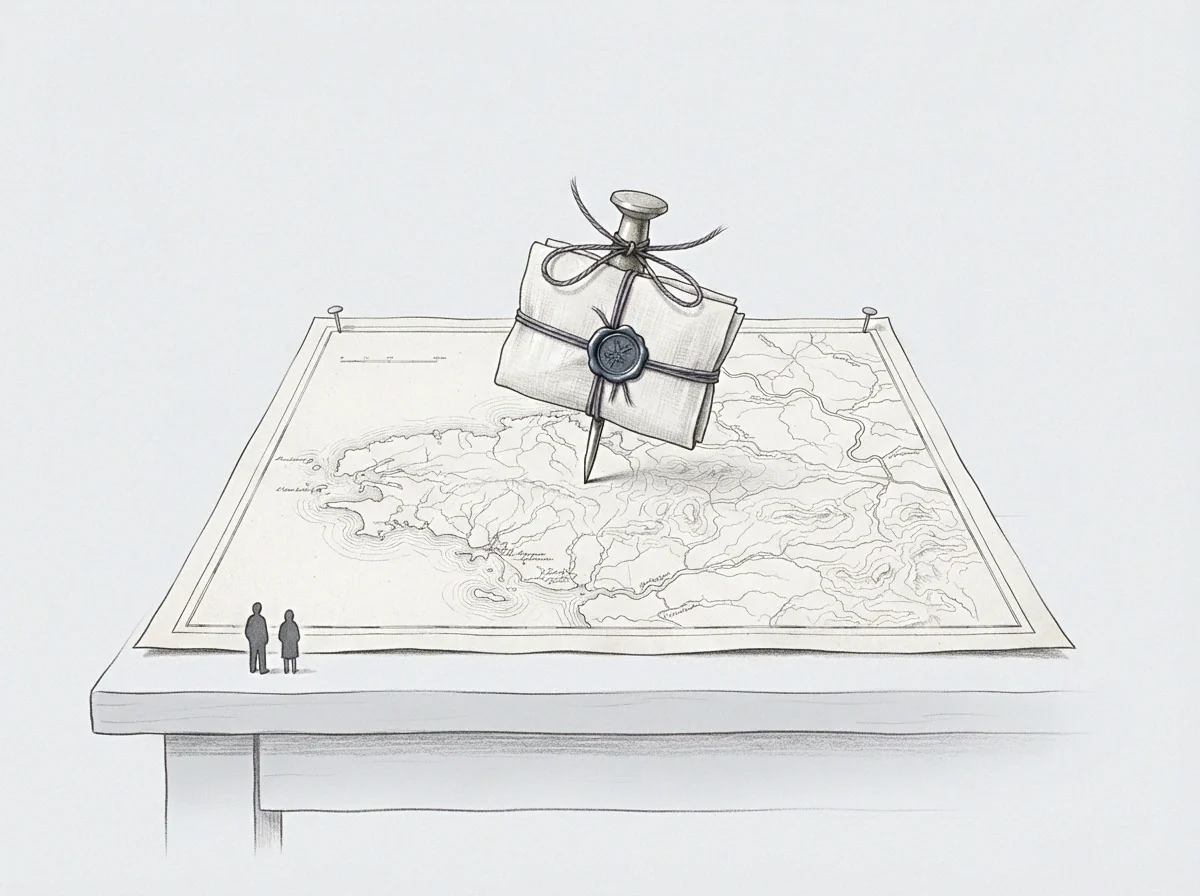
Gradual erosion of oversight protocols results in a misalignment between stated policy and actual practice. Detecting governance drift requires constant vigilance and regular audits of organizational behavior. This phenomenon occurs as a byproduct of operational speed and the desire for efficiency over compliance.
It stops being a drift and becomes a failure when the deviation results in a major regulatory breach.
Protocol Decay
Rules that are not actively enforced eventually lose their power to shape behavior within the group. Through governance drift, an organization might stop recording decisions or skip mandatory review sessions. These small omissions accumulate into a culture of informal workarounds.
The distance between the written rule and the daily reality grows silently. Eventually, the formal system becomes a hollow shell.
Risk Exposure
Unchecked deviations from established standards create hidden vulnerabilities that only become apparent during a crisis. Governance drift hides the true state of the organization from its leaders and stakeholders. This lack of transparency prevents the early detection of systemic problems.
Reliability requires a tight coupling between policy and action.
System Correction
Reversing the trend of deviation demands a deliberate effort to re-establish the authority of the rules. Addressing governance drift often involves the painful process of dismantling informal power structures and enforcing neglected standards. This correction costs time and social capital within the organization.
Leadership must demonstrate a commitment to the formal process. Order is restored through consistent application of the law.