Meaning
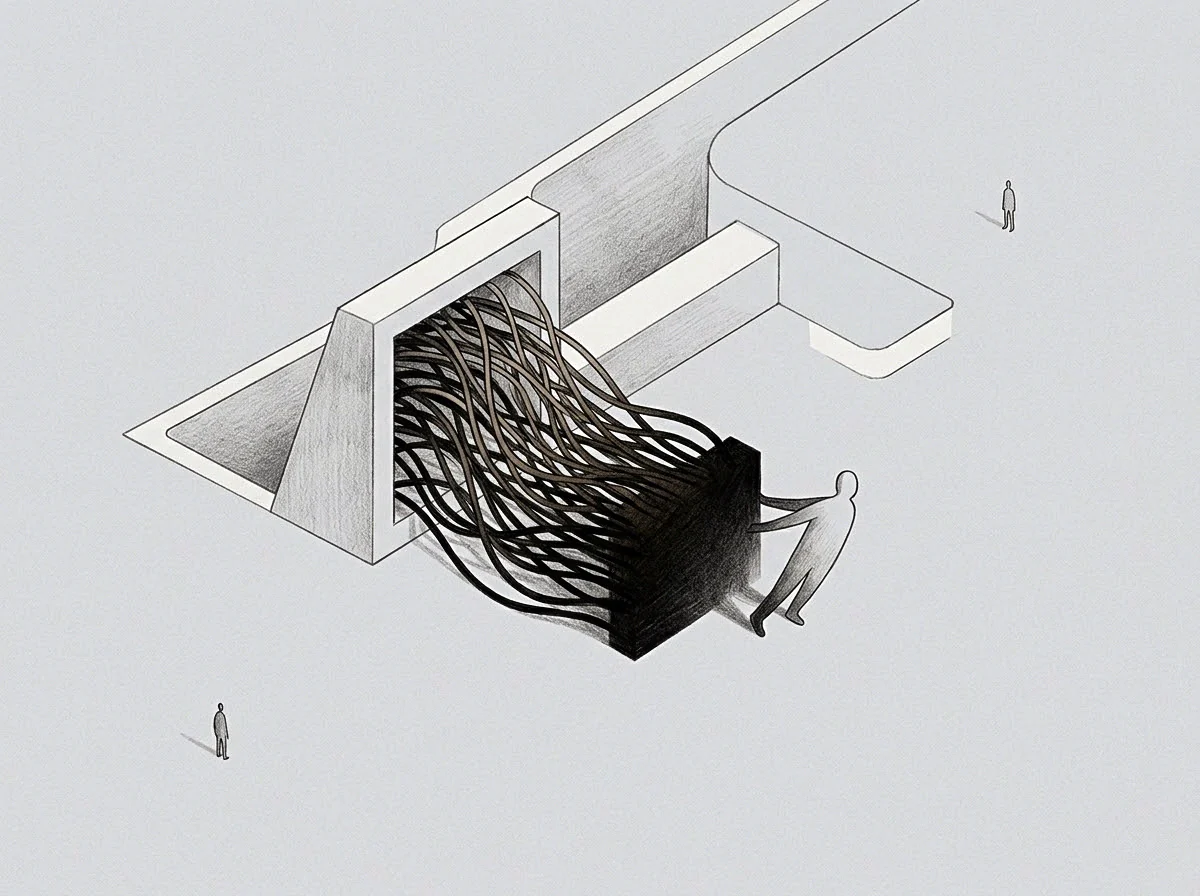
Top-tier administrative positions represent the ultimate locus of strategic authority and ultimate liability within an enterprise. Occupying high command roles requires individuals to make critical capital allocation decisions and absorb systemic risk during periods of market uncertainty. In post-founding structures, these positions place extreme continuous demands on personal energy and physiological setpoints.
The classification ceases to apply when operational authority is decentralized into autonomous business units or advisory positions.
Authority Domain
Ultimate decision power concentrates liability and stress at the top of the executive hierarchy. Serving in high command roles demands relentless focus because strategic missteps impact investors and commercial partners simultaneously. Isolation at this level increases emotional strain and makes objective feedback difficult to obtain.
Authority carries costs.
Leadership Load
Steering an enterprise through volatile environments consumes personal capacity at an accelerated pace. Those in high command roles must manage constant strategic ambiguity while maintaining outward confidence to reassure stakeholders. Managing this heavy burden requires strict boundary setting and structured rest periods to prevent burnout.
Command Responsibility
Ultimate accountability cannot be delegated or shared when core survival is at stake. Operating in high command roles obligates leaders to prioritize organizational health over personal comfort. Clear governance structures support effective leadership.