Meaning
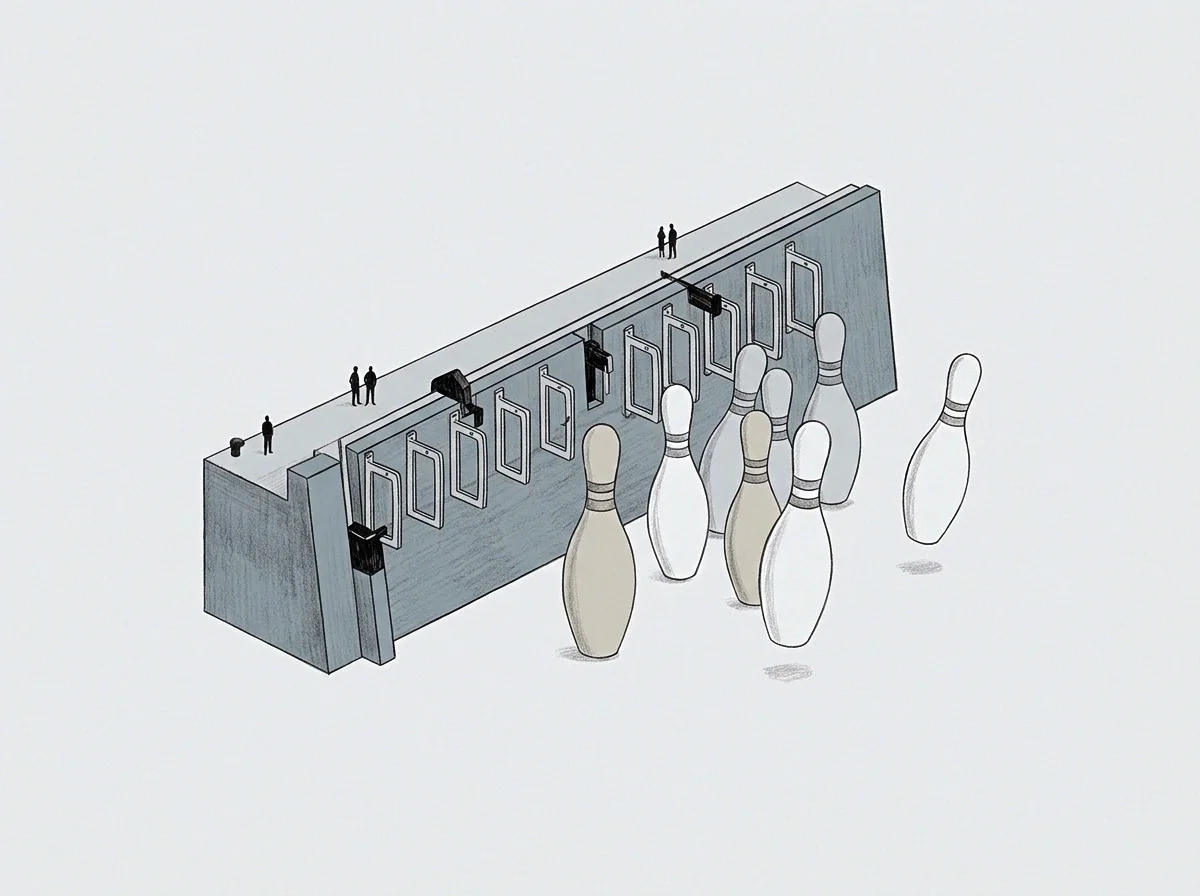
Rate at which new tasks, messages or problems arrive at a decision-maker’s desk determines the pressure on their processing capacity. High incoming velocity forces a transition from thorough analysis to rapid triage. This metric governs the survival of the current workflow since any rate exceeding the output rate leads to an infinite queue.
It stops being a useful measure once the system has completely stalled and no new items can be registered.
Load Pressure
Constant streams of data require a founder to spend more hours on sorting than on executing. When incoming velocity remains high for extended periods (the resulting allostatic load reduces the quality of every subsequent decision). Managing this flow becomes the primary task of the regulatory layer.
Throughput Capacity
Effective management requires a balance between the speed of arrival and the speed of resolution. If the incoming velocity surpasses the founder’s cognitive limits (the organization begins to accumulate hidden technical and administrative debt). This debt eventually limits the capacity for any future growth.
Buffer Requirement
Temporary spikes in demand can be absorbed by a well-designed queue system. Sustained incoming velocity necessitates a change in the organizational structure to prevent total burnout. Monitoring this rate allows the executive to anticipate when additional resources are needed.