Meaning
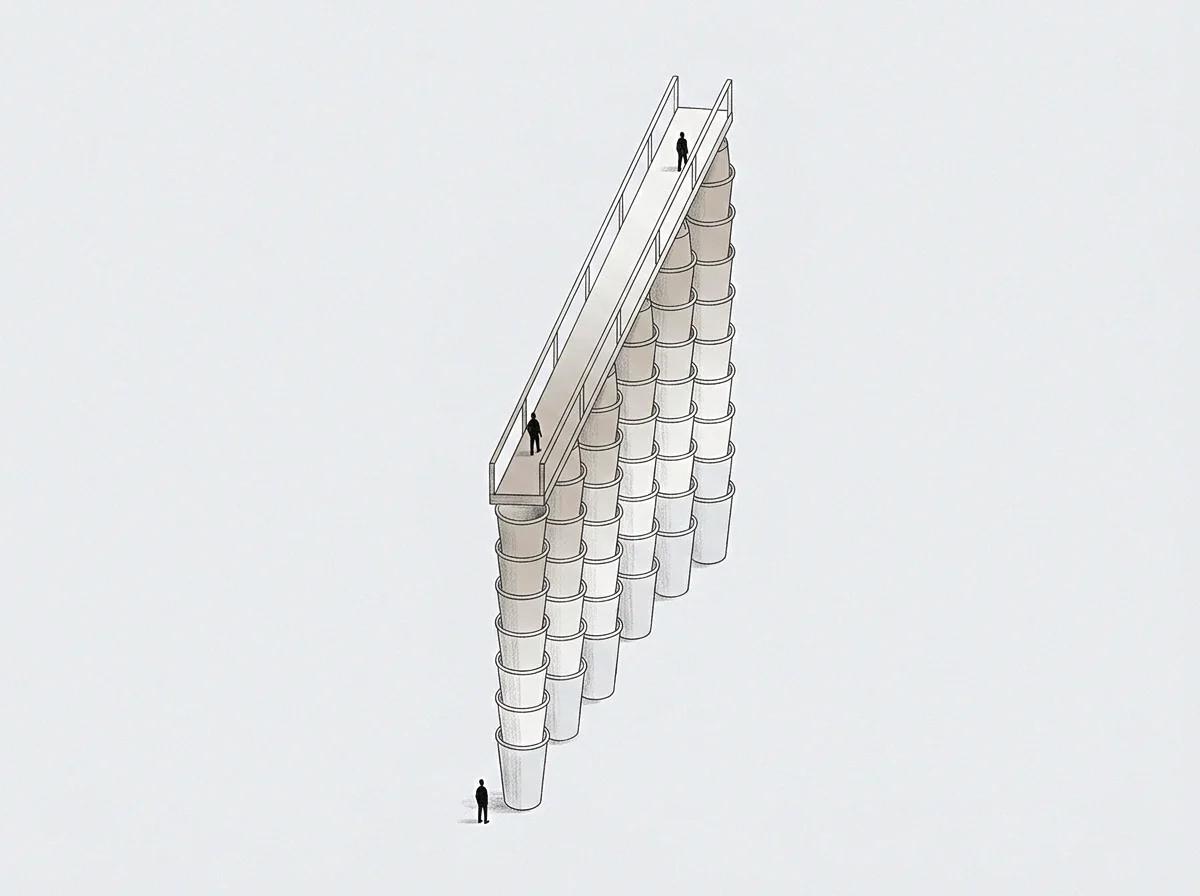
Strategic restriction of data flow serves as a mechanism to protect the cognitive capacity of decision makers from excessive noise. This information gating involves the creation of filters and protocols that determine which signals reach the final recipient. It measures the effectiveness of a boundary in preventing interruptions that do not meet a specific threshold of urgency.
The term applies to both manual administrative filtering and automated notification settings.
Input Throttling
Controlling the volume of incoming data prevents the saturation of the human processing limit. High volumes of low value information force a founder to spend excessive attention on sorting rather than analyzing. Effective gating ensures that only high priority items consume mental energy.
Cognitive Shielding
Protecting the focus required for complex problem solving is the primary goal of this practice. Frequent interruptions reset the mental state and increase the time needed to complete a single task. Gating creates a predictable environment where concentration can be maintained for longer durations.
Filtering Accuracy
Mistakes in the gating process can lead to the loss of vital information or the admission of distractions. A filter that is too strict might hide a developing risk until it is too late to act. Finding the correct balance between openness and protection is a continuous requirement of the role.