Meaning
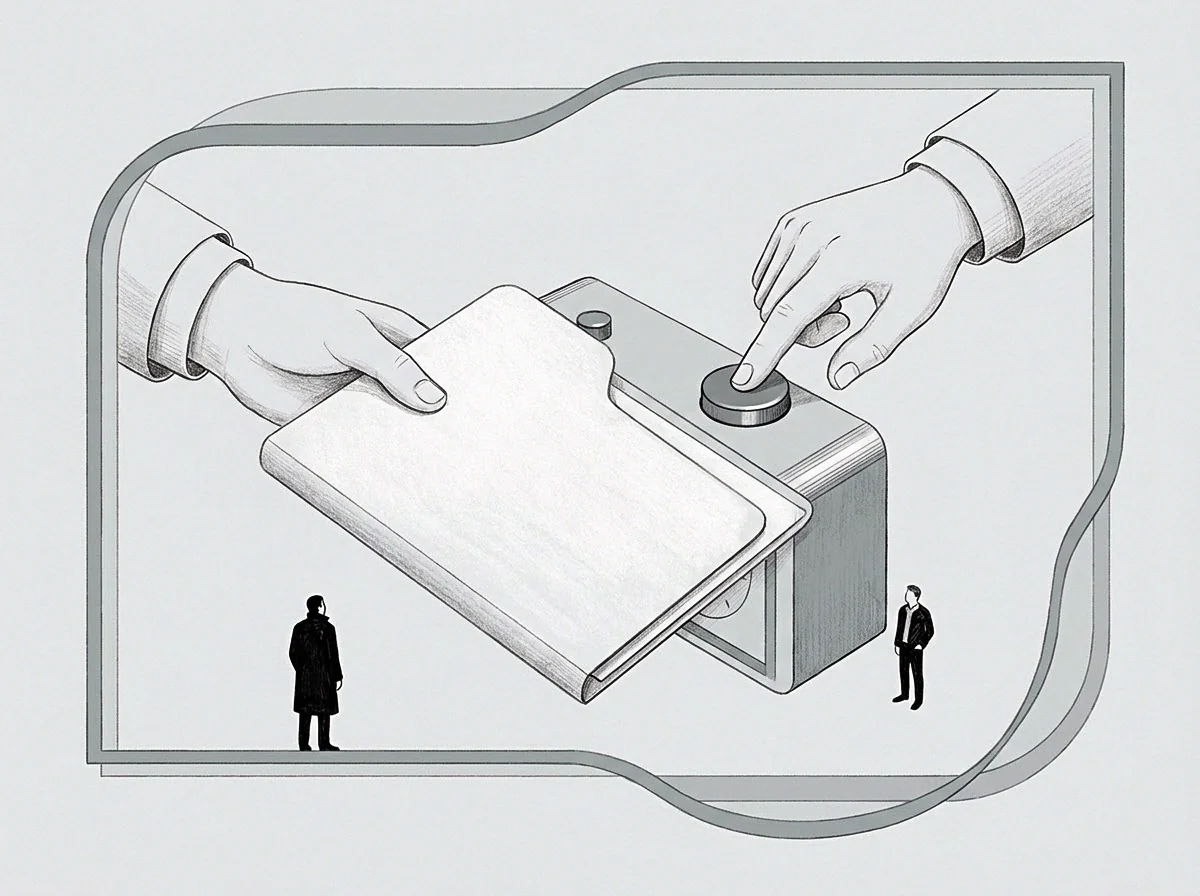
Executive inaction describes the inability to begin new projects or make strategic choices due to cognitive overload and chronic decision fatigue. This state of initiative paralysis often occurs after long periods of intense, unstructured work where every task carries high consequences. It prevents the leader from executing simple tasks, even when the path forward is clear and the necessary resources are fully available, creating a cycle of guilt and further avoidance that locks the individual in a state of constant anxiety.
Cognitive Bottleneck
Working memory depletion is the biological driver behind the inability to act. During initiative paralysis, the prefrontal cortex suffers from a deficit in executive neurotransmitters, which halts the transition from planning to execution. The brain refuses to initiate new action sequences because the anticipated cognitive cost of starting exceeds the perceived reward.
Organizational Stagnation
Project delays compound across the entire startup when the founder is unable to provide direction. This prolonged state of initiative paralysis halts product cycles and delays critical partnerships because team members are left waiting for approvals. The hesitation filters down through the ranks, causing the entire company to adopt a passive, risk-averse posture that erodes market momentum.
Recovery Phase
Incremental execution provides the pathway out of the freeze. Restoring the capacity for action requires breaking down large goals into tiny, low-stakes micro-tasks to lower the barrier to entry. This reduces the initial load on the brain and slowly rebuilds the confidence needed to tackle larger strategic initiatives.