Meaning
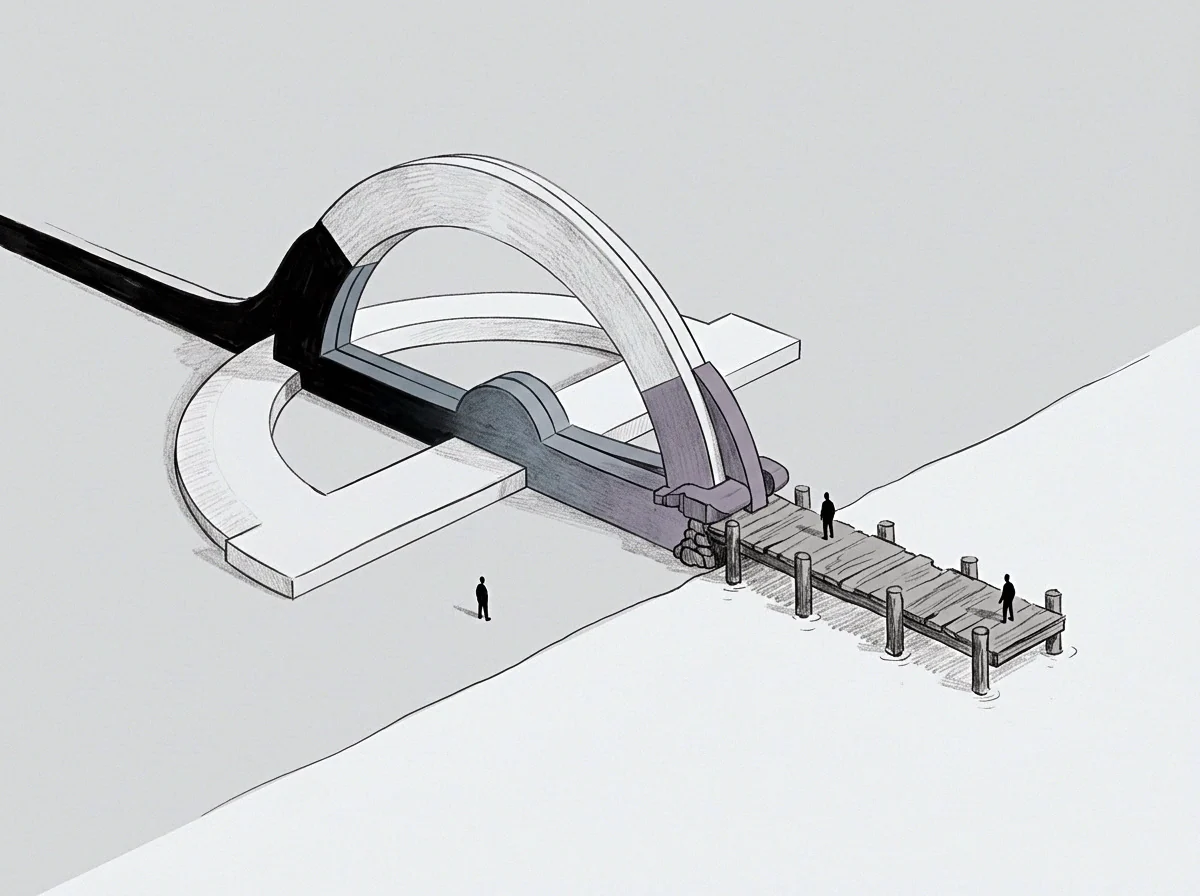
Structural readiness to process incoming data or demands determines how an entity interacts with its environment. An intake posture can be open and welcoming to all signals or closed and focused on a narrow set of priorities. This state governs the volume and variety of tasks that a person allows to enter their daily workflow.
Filter Strength
Regulation of the intake involves setting clear criteria for what requires a response and what can be ignored. A founder with a rigid intake posture protects their time by delegating or discarding anything that does not align with the current strategic goals. This selectivity is an essential tool for managing allostatic load in a high-pressure environment.
If the filters are too weak, the person becomes a passive recipient of other people’s priorities, leading to a loss of control over the business direction.
Executive Attention
Attention is the primary resource consumed by the act of receiving and categorizing new inputs. By choosing a specific intake posture, the founder pre-decides many of these items, saving mental energy for more complex problems. Over a full day, these micro-costs accumulate and reduce the capacity for deep, analytical thinking.
Each email or meeting request requires a small amount of energy to evaluate, which adds to the total daily cost.
Saturation Point
The limit is reached when the volume of incoming signals exceeds the speed of the processing mechanism. At this point, the intake posture often shifts automatically to a closed state as a survival reflex. This defensive shutdown can lead to missing important warnings if it is not managed intentionally.