Meaning
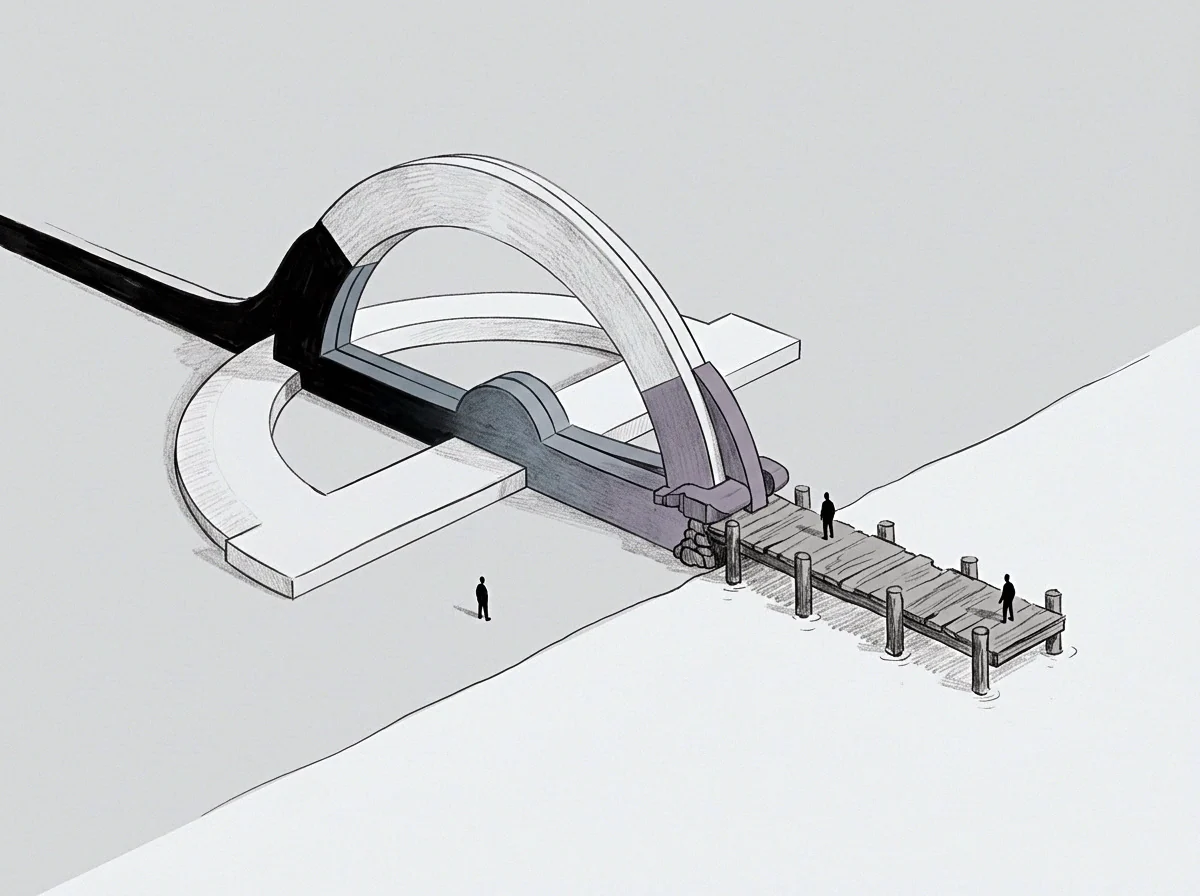
Reliance on a single leader for decisions or approvals creates a specific type of operational risk. This managerial dependence measures how many processes stop or slow down when that person is unavailable. The measurement is a key indicator of the maturity and scalability of a business structure.
Bottleneck Effect
Problems arise when the managerial dependence makes the founder the sole point of failure for a wide range of activities. Every instruction must pass through one person, which creates a queue that limits the speed of the whole organization. This effect is often a result of a lack of trust or a failure to document standard operating procedures.
As the company grows, this bottleneck becomes more restrictive until it eventually halts expansion altogether.
Capacity Tax
Heavy dependence imposes a tax on the hours and attention of the leader. The person is forced to spend their time on routine matters that others could handle, leaving little energy for the strategic thinking that only they can do. This constant demand for small decisions prevents the person from ever entering a state of deep work.
To reduce this cost, the founder must delegate authority and accept that others will make decisions differently than they would.
The Limit
The limit of managerial dependence is reached when the person can no longer keep up with the volume of requests. At this stage, the business either stays small or the leader must find a way to transfer their knowledge and authority to others. This transition is difficult and requires a deliberate effort to build systems that do not require their constant presence.