

Calibrating Interpersonal Receptivity to Prevent Executive Burnout in Growth Regimes
Calibrated interpersonal receptivity protects executive autonomic reserves by replacing unbudgeted emotional containment with structured operational intake.
Calibrated interpersonal receptivity protects executive autonomic reserves by replacing unbudgeted emotional containment with structured operational intake.

Executive autonomic dysregulation degrades prefrontal risk processing, forcing capital allocation away from objective underwriting toward defensive, loop-closing threat avoidance.

Executive concurrency drops when subordinate co-regulation consumes working memory slots, transforming strategic capacity into real-time emotional stabilization.
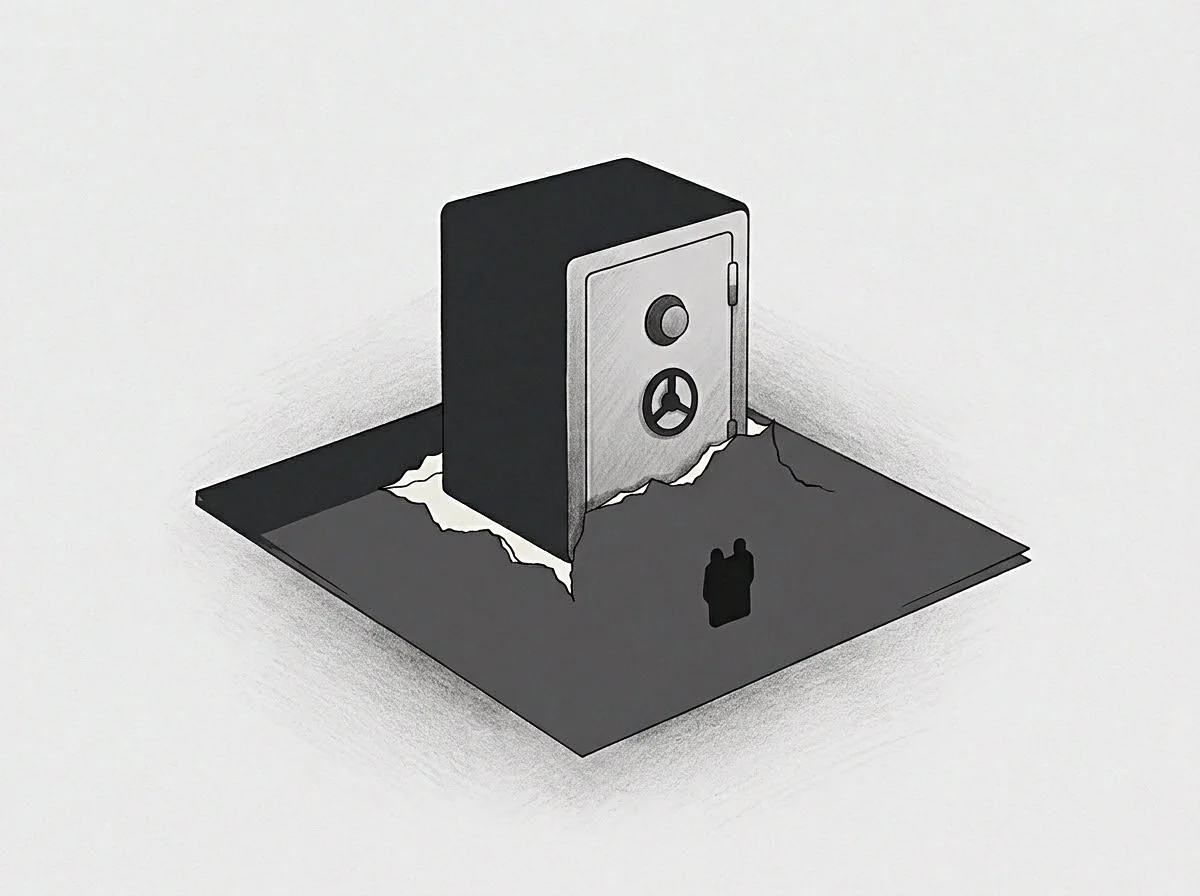
Multi-stakeholder consent covenants drain executive capacity by multiplying asynchronous communication loops, decoupling operational accountability from execution authority, and elevating allostatic load.

Centralized leadership stress triggers autonomic governor throttling, which downregulates executive processing capacity to preserve physiological homeostasis.

Priority filtering stops executive decision fatigue by setting hard quantitative boundaries that divert routine operational pings away from leadership queues.
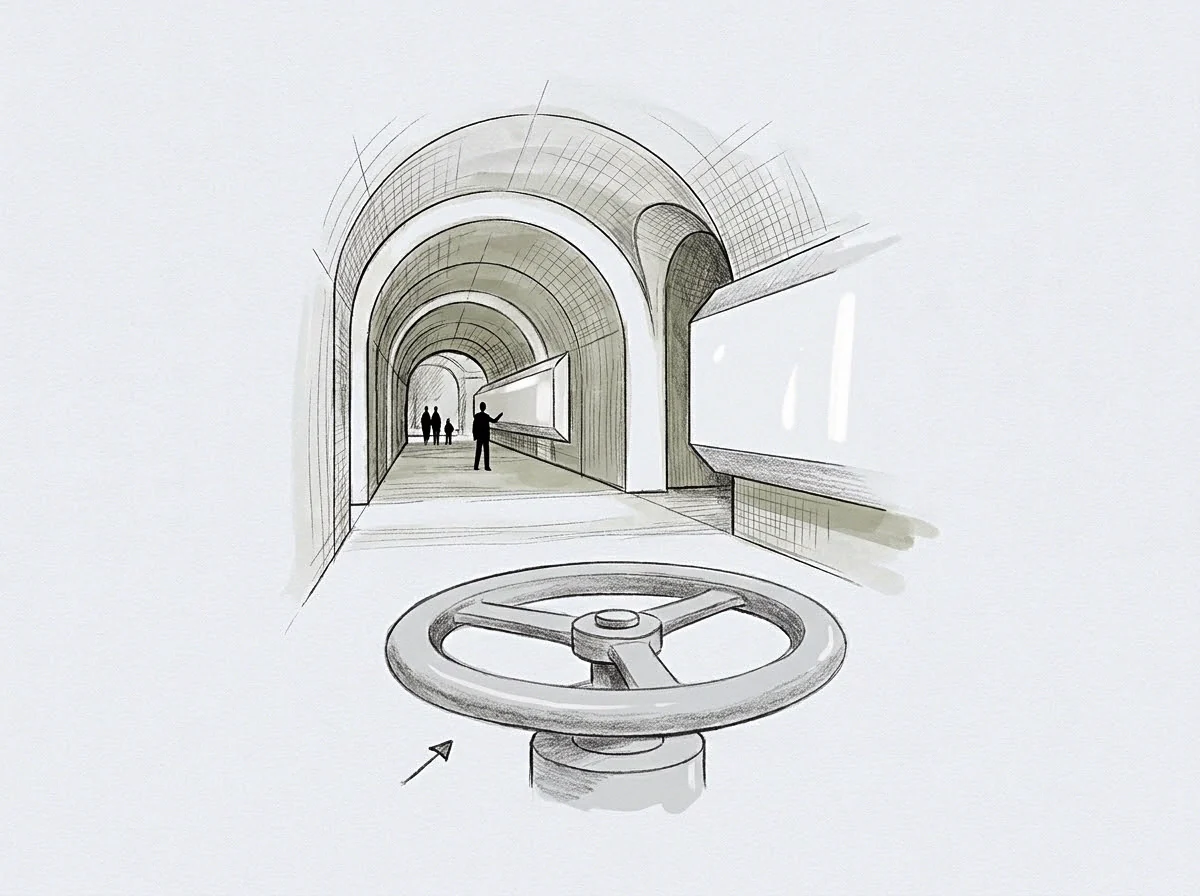
Codified operational thresholds arrest upward administrative escalation by establishing deterministic numeric perimeters for independent frontline execution.

Structural gates protect leadership seats by filtering unconstrained operational threads before transactional volume exceeds biological allostatic limits.

Stated priority limits keep operational requests out of executive headroom by converting personal availability into explicit, system-enforced boundaries.
The terms are written where they belong. Each field holds three desks, and every entry a desk writes raises the terms it uses, each term given a meaning, a mechanism and the places it appears. The record on these pages stays first person and hand made; the fields grow the nomenclature.