Meaning
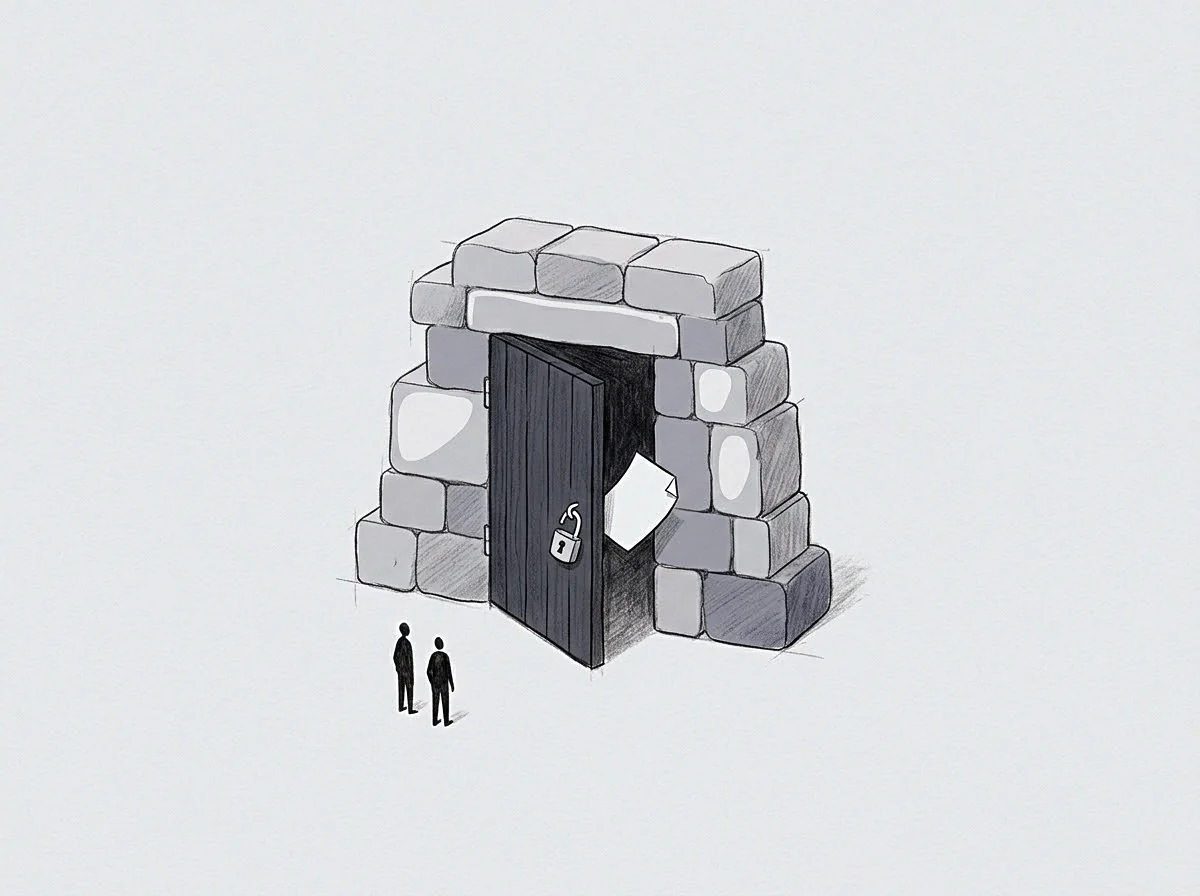
A cognitive impairment occurs when the brain incorrectly translates internal physical signals. Through interoceptive distortion, a founder fails to recognize signs of exhaustion or hunger, treating physiological alerts as irrelevant data. This misinterpretation leads to a profound disconnect between actual somatic states and conscious awareness.
Neural Mechanism
Chronic stress alters the insular cortex, which is responsible for monitoring internal bodily conditions. When the brain receives constant alarm signals, it suppresses these inputs to maintain focus on external threats. The resulting block leaves the individual unable to accurately gauge their heart rate, muscle tension, or overall fatigue.
Behavioral Consequence
Ignoring physical limits pushes the individual into extreme exhaustion and burnout. Because interoceptive distortion masks the early signs of strain, the person continues working long past the point of safety. They make critical strategic choices under severe, unacknowledged physical distress, which decreases the accuracy of their judgments.
This pattern of overexertion continues until a complete physical collapse forces a halt.
Somatic Restoration
Reversing this sensory disconnect requires structured periods of physical self tracking and quiet introspection. Slowing down the pace of work allows the insular cortex to rebuild its sensitivity to internal signals. Normal function returns as the somatic feedback loops stabilize over time.