Meaning
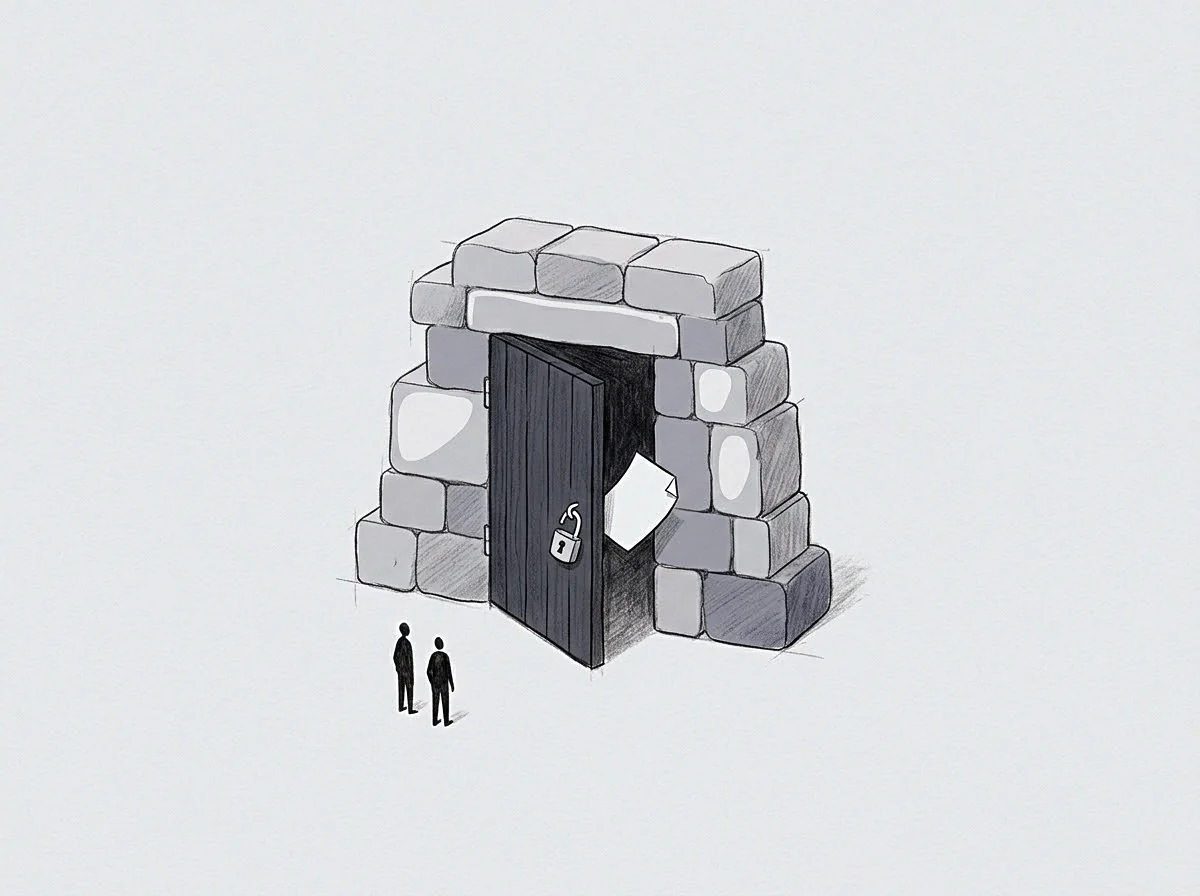
A neurological delay occurs when raw threat signals are processed by the survival regions of the brain before reaching conscious awareness. This delay, known as subcortical latency, causes a person to react defensively to minor triggers before their conscious mind can assess the true situation. This automatic processing sequence ensures rapid reaction at the cost of immediate accuracy.
Neural Pathway
Sensory information travels to the amygdala along a rapid pathway that bypasses the slower cortical processors. This quick loop triggers physical arousal before the prefrontal cortex can evaluate the context or meaning of the event. The body is mobilized for defense before the mind knows what the threat is.
Behavioral Triggering
Under high allostatic load, subcortical latency leads to sudden, defensive reactions to neutral stimuli. The founder may snap at a colleague’s question or interpret a simple request as a major attack on their authority. These uncalibrated responses damage team dynamics and erode trust, as the team cannot predict what will trigger an aggressive or defensive reaction.
The leader’s behavior becomes reactive rather than strategic, driven by ancient survival pathways rather than conscious intent.
Response Moderation
Reducing this hyper reactivity requires techniques that slow down the transition from stimulus to response. Creating a deliberate pause allows the slower cortical regions to analyze the input and override the automatic threat response. Regular rest and recovery shorten this delay, restoring balanced behavior.