Meaning
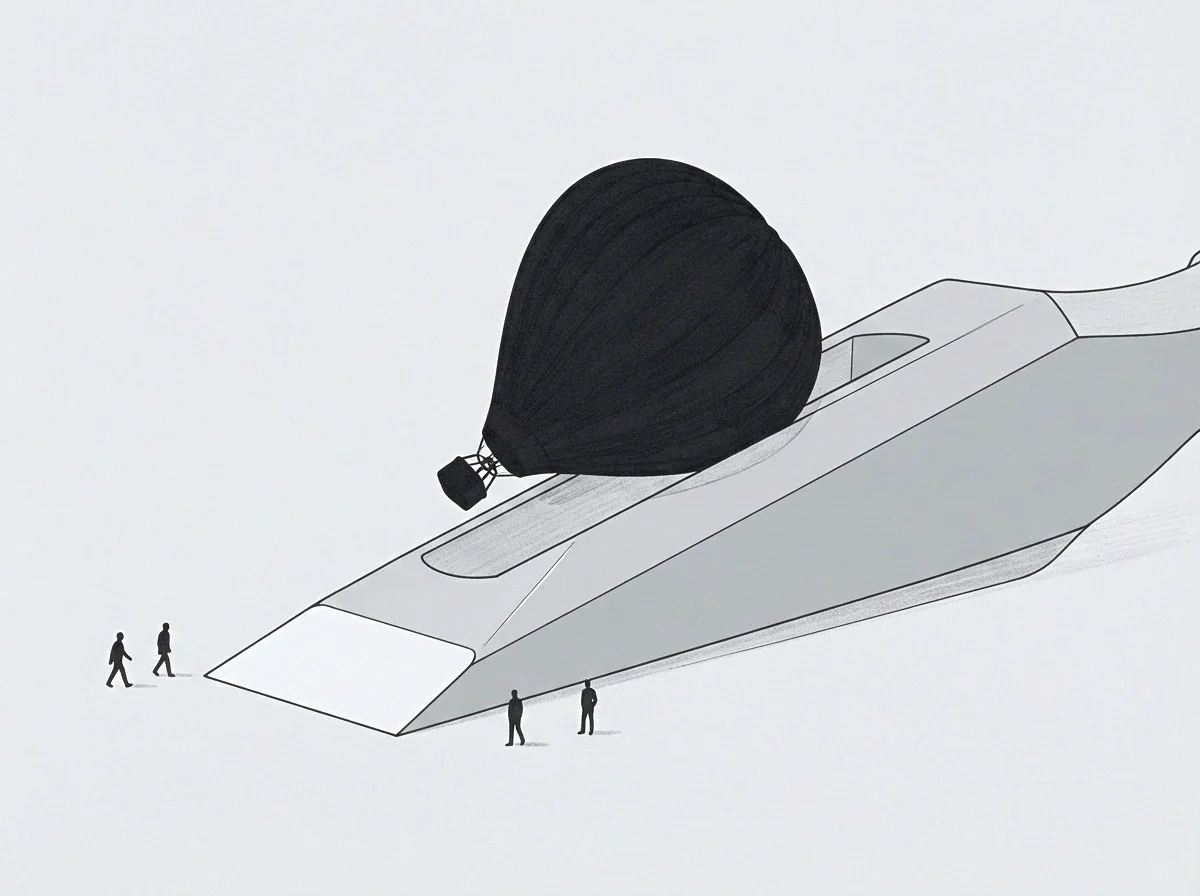
An organizational process distributes operational and emotional stress from one individual to a wider team or system. Through load transfer mechanics, an executive shifts the weight of decision making and anxiety to subordinates to preserve personal cognitive capacity. This relocation of pressure changes the dynamics of authority and responsibility within the team.
Systemic Action
Stress flows downward when the primary leader can no longer process high levels of risk or uncertainty. By delegating critical choices without adequate guidance, the leader utilizes load transfer mechanics to reduce their own allostatic load. This process forces team members to absorb the tension inherent in high-stakes environments.
Capacity Cost
While this action protects the individual leader, it often overwhelms the receiving team and reduces overall performance. The sudden influx of unresolved issues taxes the focus and hours of subordinates who may lack the authority or context to act effectively. As a result, the team’s operational velocity slows, and internal conflict rises because members are forced to navigate competing demands with limited support.
This imbalance creates a secondary crisis that eventually flows back to the leadership level.
Boundary Limit
The redirection of stress halts when the team reaches its own absolute capacity limit. Beyond this threshold, further delegation leads to systemic failure rather than relief. Leaders must then resume their core responsibilities or seek external support to prevent complete breakdown.