Meaning
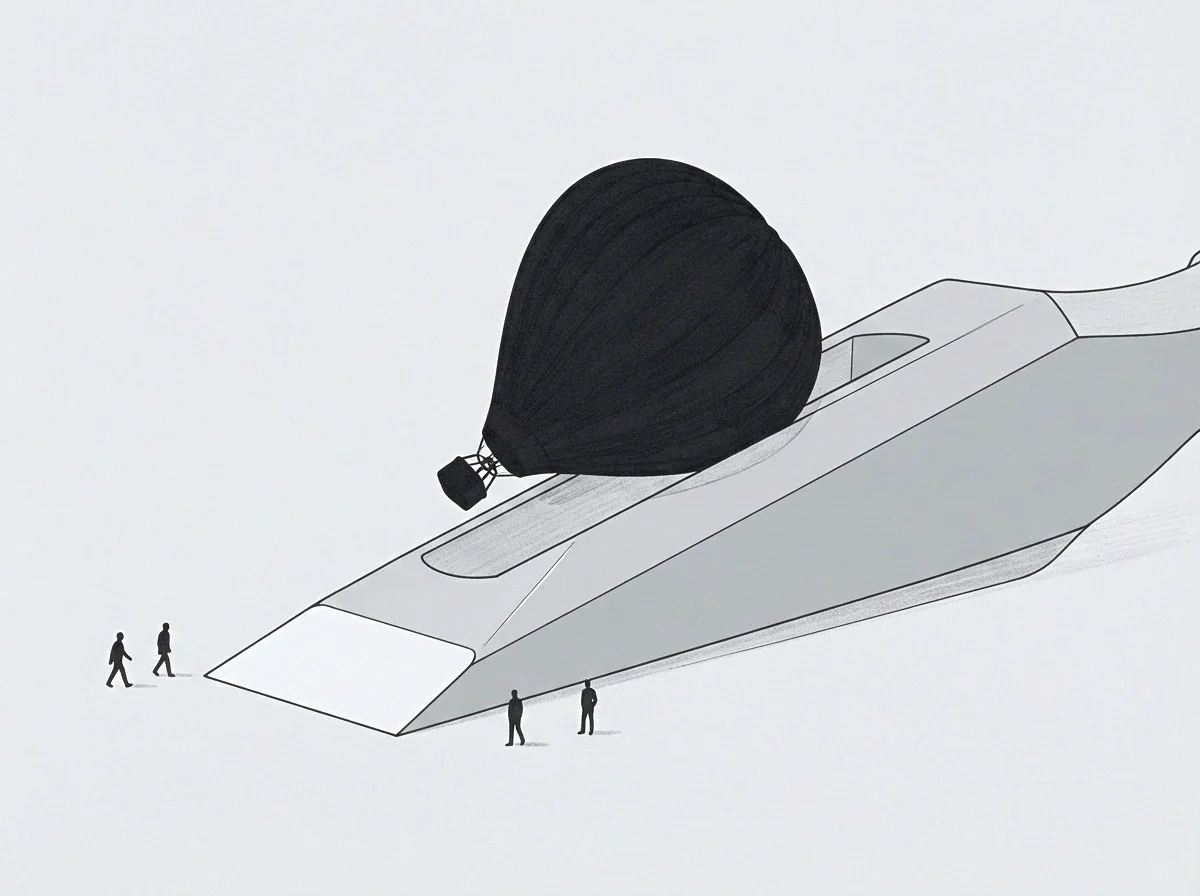
A protective communication pattern emerges when a leader stops sharing emotional or operational difficulties with partners or team members. Under the weight of isolation, relational silence develops as the individual withdraws from active dialogues to hide their vulnerability. This boundary keeps others at a distance to prevent them from seeing the leader’s internal struggle.
Isolation Loop
Suppression of communication increases the distance between the leader and their support network. As the leader maintains relational silence, they begin to feel more isolated, which reinforces the belief that others cannot understand or help with their problems. This self reinforcing cycle deeper entrenches the quiet withdrawal, cutting off vital resources.
Strategic Risk
Withholding information about difficulties prevents the team from taking action to help or resolve problems. Because of relational silence, critical issues remain hidden until they escalate into major crises that can no longer be managed. The lack of open exchange undermines trust among stakeholders, who feel excluded from the true state of affairs and may withdraw their own commitment.
This creates an environment of suspicion that degrades the entire company’s ability to respond to market shifts.
Restoration Path
Rebuilding trust requires a deliberate commitment to gradual transparency and shared vulnerability. Starting with small disclosures helps the leader re establish connection without feeling overwhelmed. This process gradually dismantles the wall of isolation and restores collaborative problem solving.