Meaning
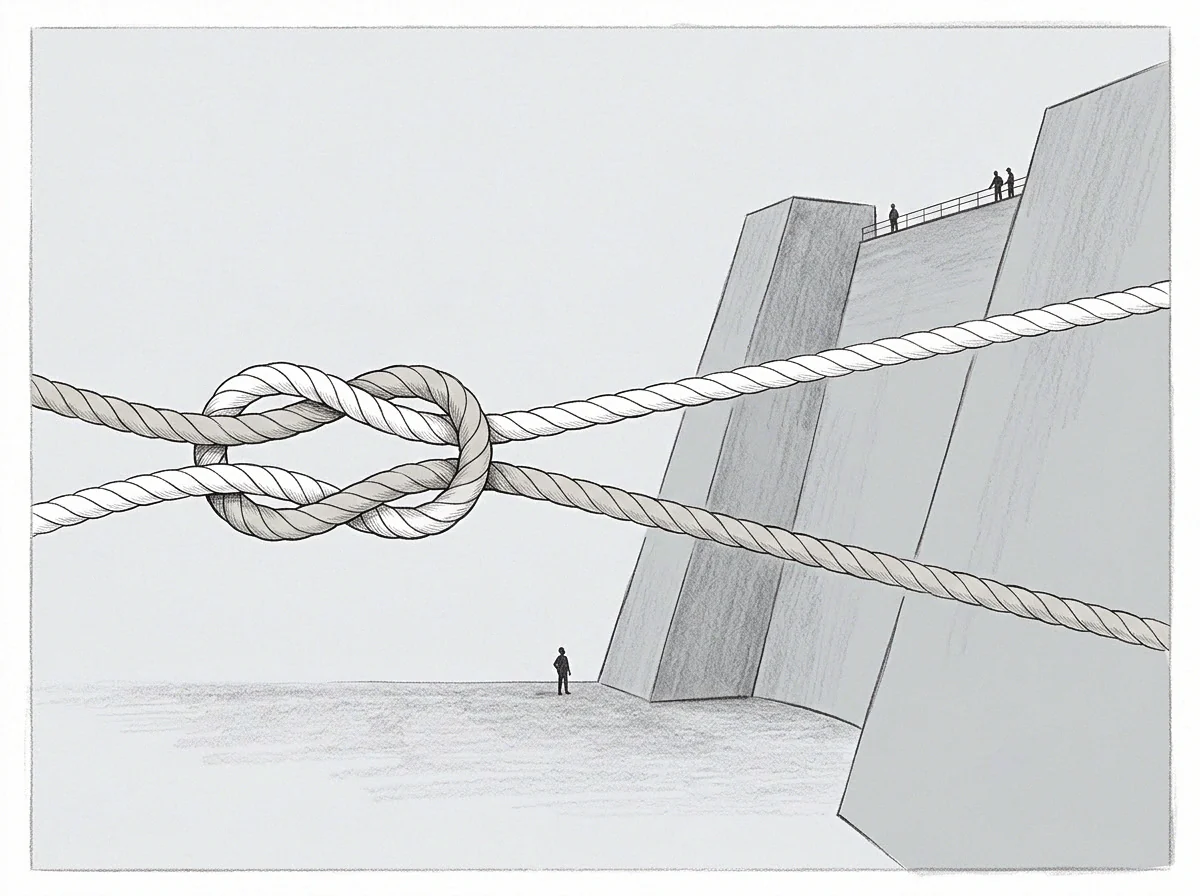
Resistance to coordination within a group quantifies the energy spent on alignment rather than output. Minimizing management friction is a primary goal of organizational design and process optimization. This load is measured in the hours spent in meetings and the delay in executing simple tasks.
It applies whenever the output of one person depends on the input or approval of another.
Alignment Tax
Ensuring that every team member understands the current objectives requires a constant investment of executive attention. Because of management friction, a founder may spend more time explaining a vision than executing it. This tax increases with the size of the team.
Divergent perspectives, while valuable for creativity, add to the coordination burden. Clarity of communication is the only way to lower this cost.
Transactional Drag
Every interaction between departments or individuals involves a small loss of momentum and energy. High levels of management friction lead to a state where the organization spends more effort on internal negotiations than on external competition. Decisions are delayed as stakeholders seek consensus or clarification.
This drag reduces the overall agility of the system.
Operational Barrier
Excessive oversight and redundant approval loops can eventually bring productive work to a complete standstill. While some management friction is necessary for quality control, too much of it breeds frustration and disengagement. People stop taking initiative when the cost of getting an idea approved is too high.
The leader must reconcile necessary control with operational freedom. Operational excellence depends on the removal of unnecessary hurdles.