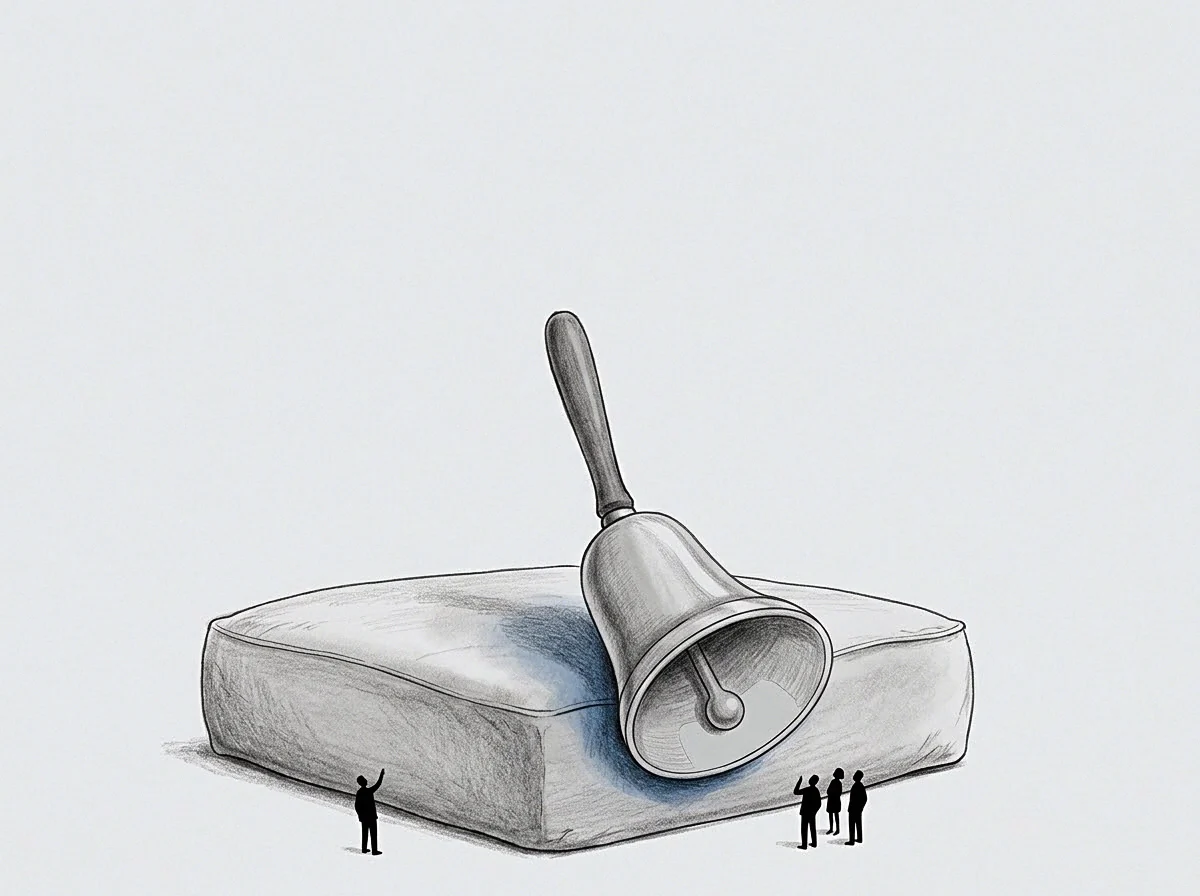
Meaning
The hard physiological upper boundary of sustained human energy expenditure limits the total biological work an individual can perform before systemic breakdown occurs. In organizational leadership, a metabolic ceiling defines the non-negotiable point where cognitive effort, emotional regulation and physiological maintenance outpace the body’s daily caloric and cellular recovery capabilities. The limit is determined by cellular mitochondrial capacity, digestive energy extraction rates and neuroendocrine replenishment cycles.
It sets the absolute operational capacity of any founder regardless of ambition or discipline. The concept stops applying to short, unsustainable emergency sprints that draw down emergency somatic reserves for brief durations.
Caloric Upperbound
Biological organisms can sustain an energy burn rate only up to approximately two and a half to three times their basal metabolic rate over extended periods. In high-demand executive roles, crossing the metabolic ceiling triggers rapid structural catabolism as the body cannibalizes its own tissues and neurotransmitter pools to maintain alertness. No amount of motivational drive or synthetic stimulation can override this cellular boundary once glycogen and cellular resources are exhausted.
When the upper bound is breached, the nervous system initiates involuntary shutdown sequences to protect life. The brain enforces rest through exhaustion, cognitive fog and severe lethargy.
Substrate Depletion
Sustained mental effort and emotional restraint consume massive amounts of glucose, oxygen and specialized micronutrients within the central nervous system. As an individual approaches the metabolic ceiling, the rate of adenosine triphosphate synthesis in neural tissue fails to keep pace with demand. Executive functions degrade rapidly, manifesting as impaired risk assessment, emotional volatility and loss of working memory capacity.
Pushing through this phase causes neuroinflammation and oxidative damage. The resulting cognitive impairment mimics clinical intoxication. Rest is the only viable metabolic corrective.
Failure Threshold
Organizational demands that continuously exceed physiological limits produce predictable systemic collapse across endocrine, immune and cardiovascular networks. A leader who routinely breaches their metabolic ceiling experiences steep declines in decision quality, followed by physical incapacitation or acute affective exhaustion. Sustainable operations require recognizing the metabolic threshold as a hard physical constant rather than an arbitrary target.
The ceiling enforces its own compliance through total system failure.