
The Metabolic Cost Of Unbuffered Group Regulation
Unbuffered group regulation forces a central leader to metabolize collective team anxiety, causing autonomic exhaustion without structural dampers.
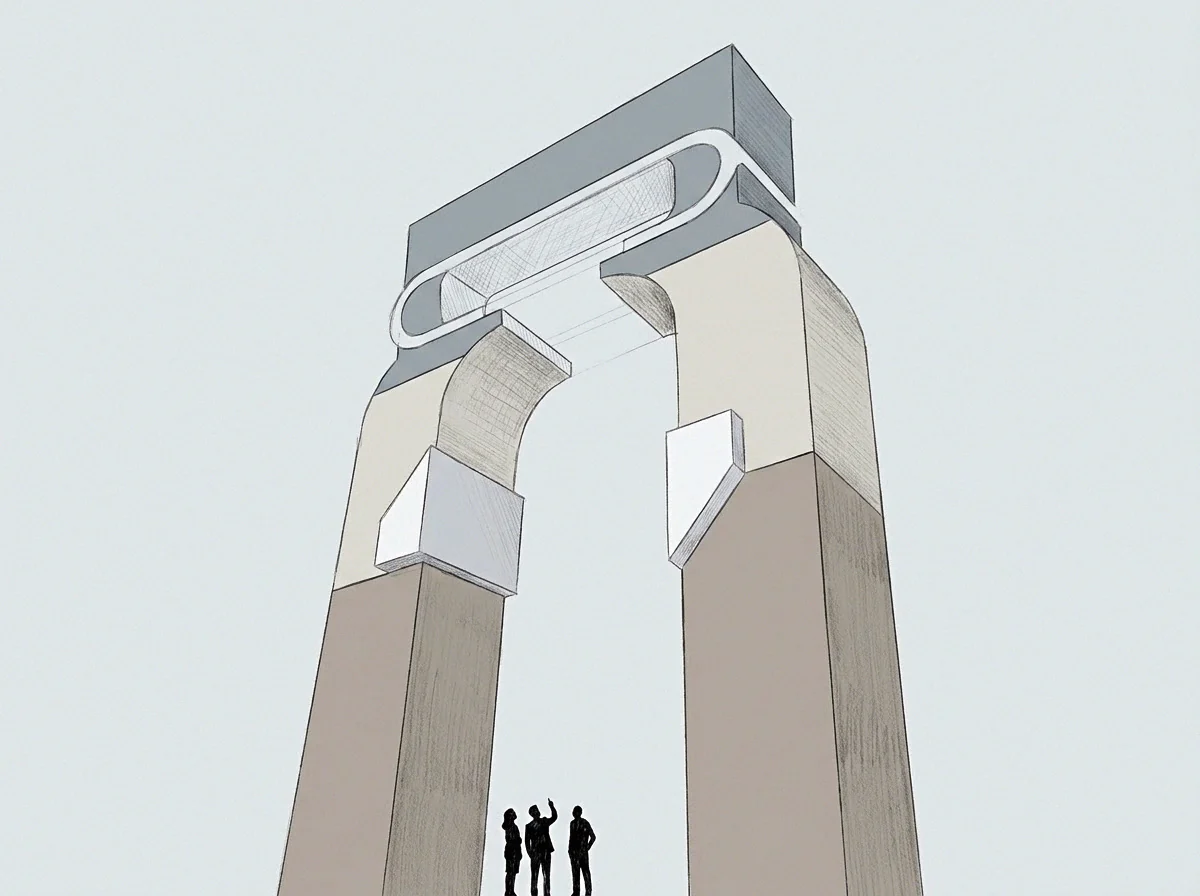
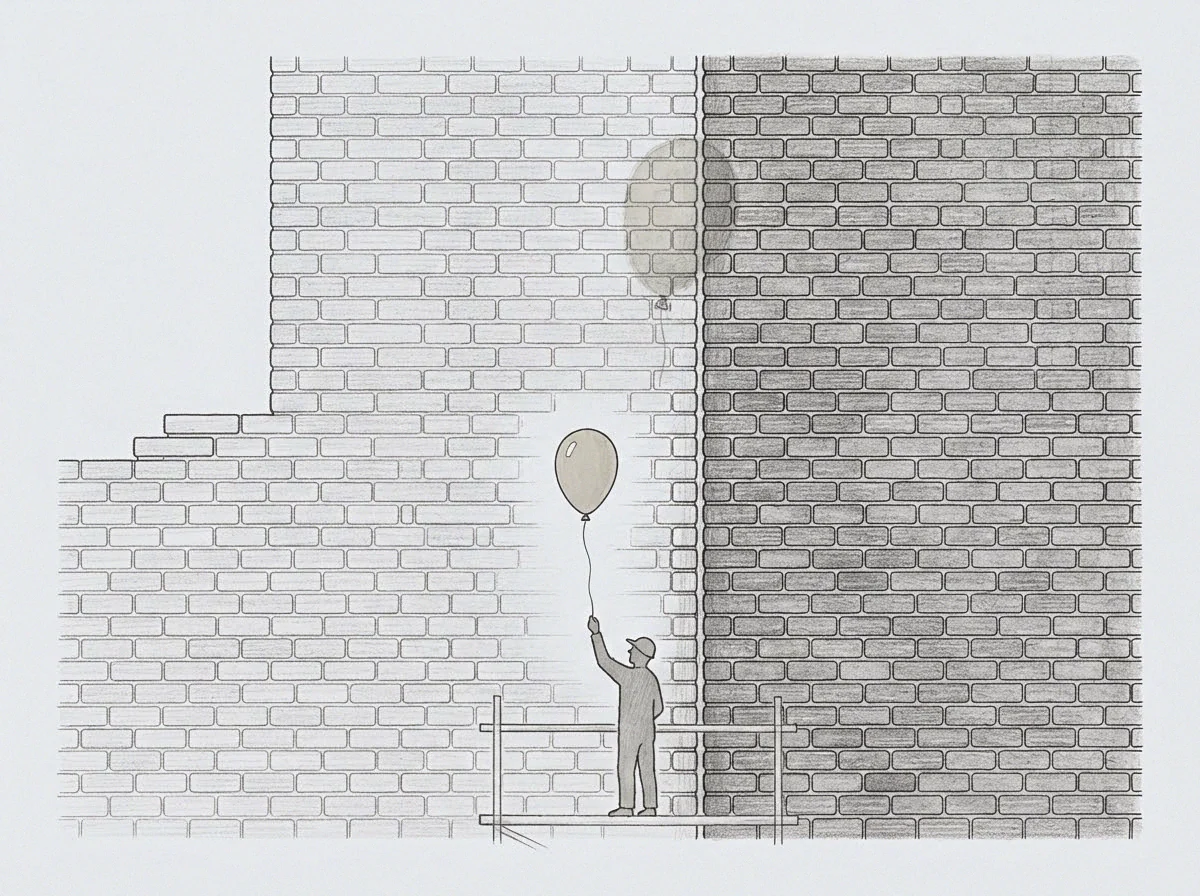
Wall
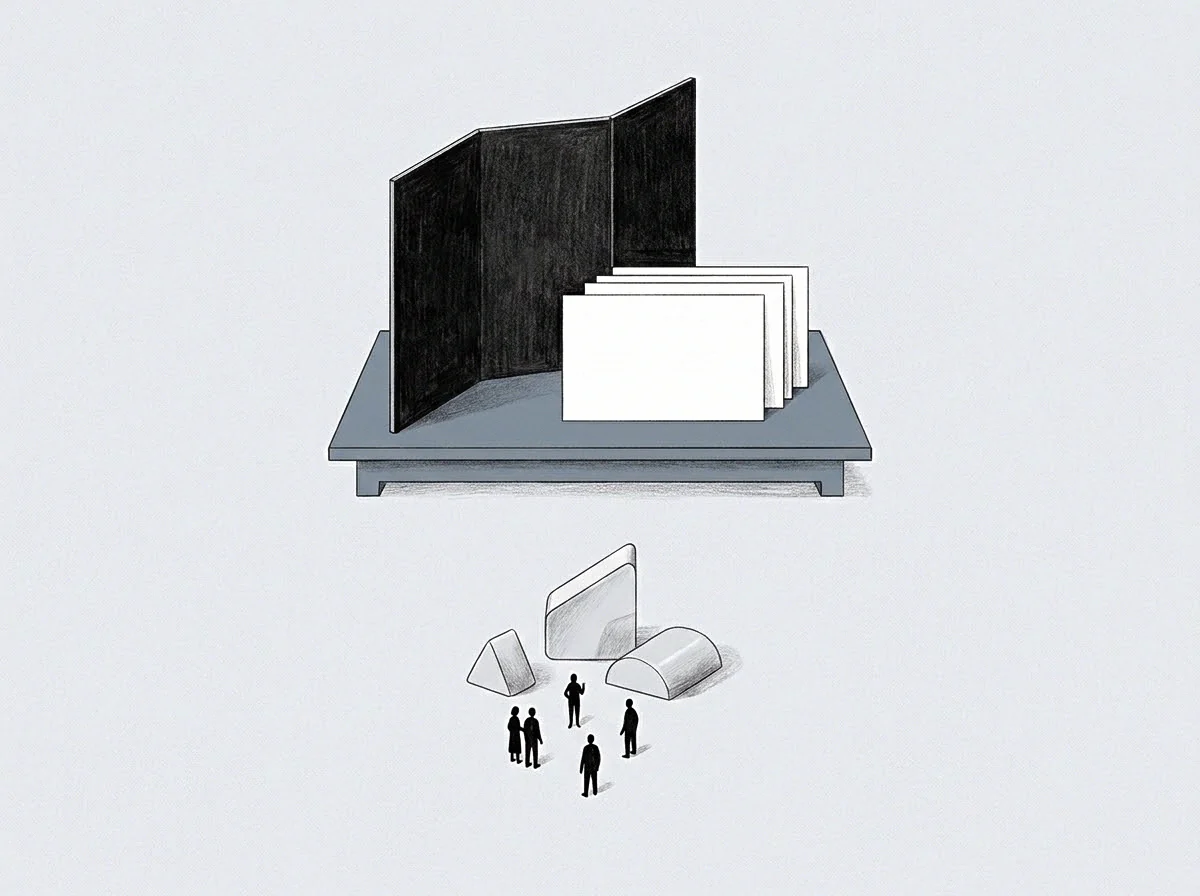
Direct Pressure on the Central Anchor
Four unresolved escalations land in the primary inbox within twenty minutes during an unexpected outage. The engineering team senses an impending commitment failure, the client success lead demands an immediate statement for an enterprise account, and the founders look across the room to gauge whether panic is justified. Nobody speaks to the room directly.
Instead, people watch the posture, breathing, and voice of whoever holds ultimate responsibility. An operator at the center of an early-stage company acts as the nervous system for the entire team. When threat rises, people default to social baseline regulation, drawing close to a steady presence to calm their own physiological hyperarousal.
It happens without conscious planning, driven by implicit neurological channels that weight social cues over formal protocols.
The unbuffered leader absorbs ambient tension. In a crisis, the group takes composure as evidence of safety, draining the leader’s glucose and cardiac reserves to keep the room steady. That metabolic burden falls on the central anchor, who stays outwardly still while processing somatic signals from five or ten anxious colleagues at once.
Without structural dampers, every wave of panic hits the core directly. Voice and hands remain steady, but the underlying baseline shows severe strain: heart rate variability drops, systemic cortisol surges, and prefrontal bandwidth narrows under relentless demands on their baseline.
The unbuffered leader absorbs ambient tension to hold group baseline composure.
When threat signals reach leadership without intermediate filters, the core operates at its baseline ceiling. The brain treats widespread dysregulation as an immediate physical threat. Prolonged exposure keeps the central regulator in chronic autonomic elevation: muscle tension lingers after hours, digestion slows, and sleep architecture breaks down as the body struggles to regain a parasympathetic state.
Team members leave the emergency call feeling steady, relieved, and ready to execute, having offloaded their panic onto the central anchor. The anchor remains at the desk, unable to shed the accumulated metabolic weight.
The operational cost compounds over months. Experiencing relief whenever they anchor to a calm leader, team members repeat that pattern automatically during the next friction point. They build no internal capacity to sit with ambiguity or process risk on their own.
Instead, they learn that escalating straight to the center restores their balance. The leader becomes an indispensable shock absorber, trapped in a setup where individual composure is all that prevents organizational anxiety from turning into panic.
They assumed the leader had endless capacity to keep the room calm, simply because the strain was never made explicit.
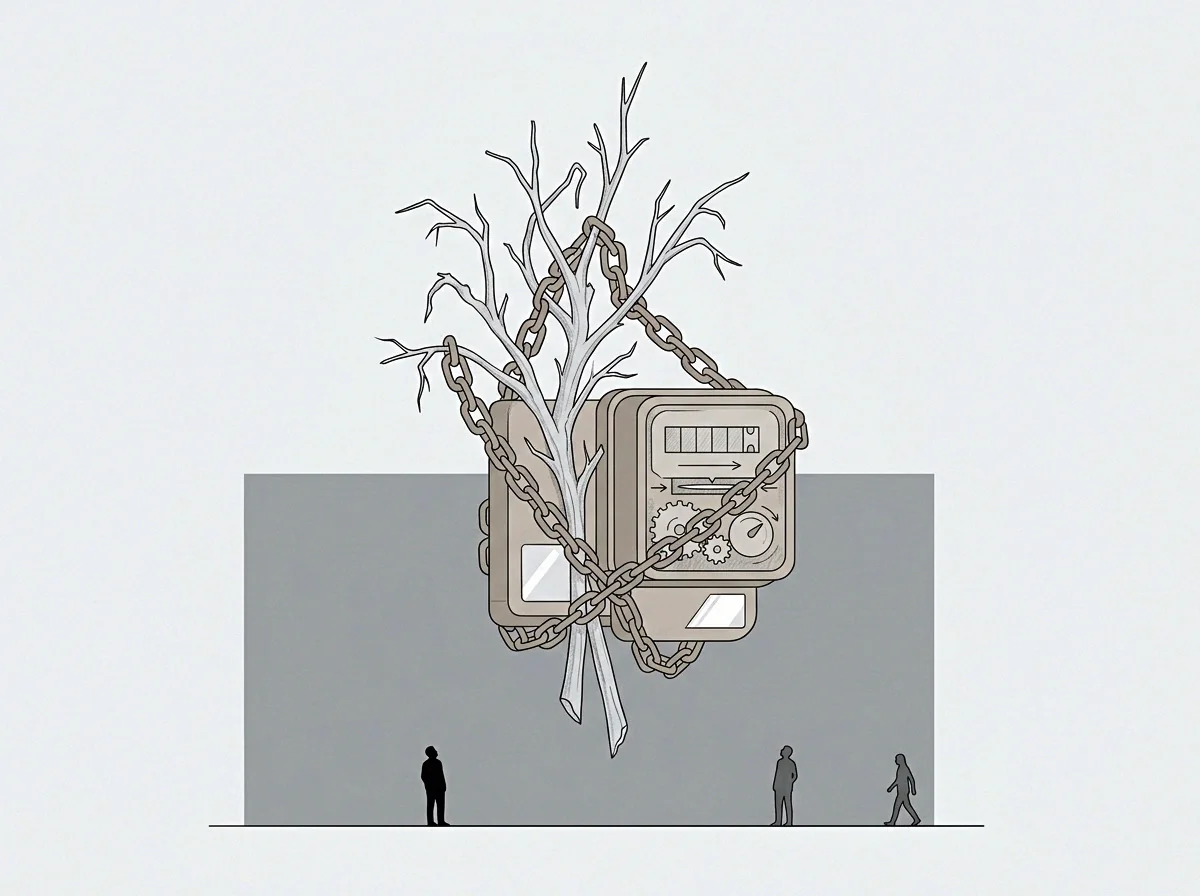
Circuit
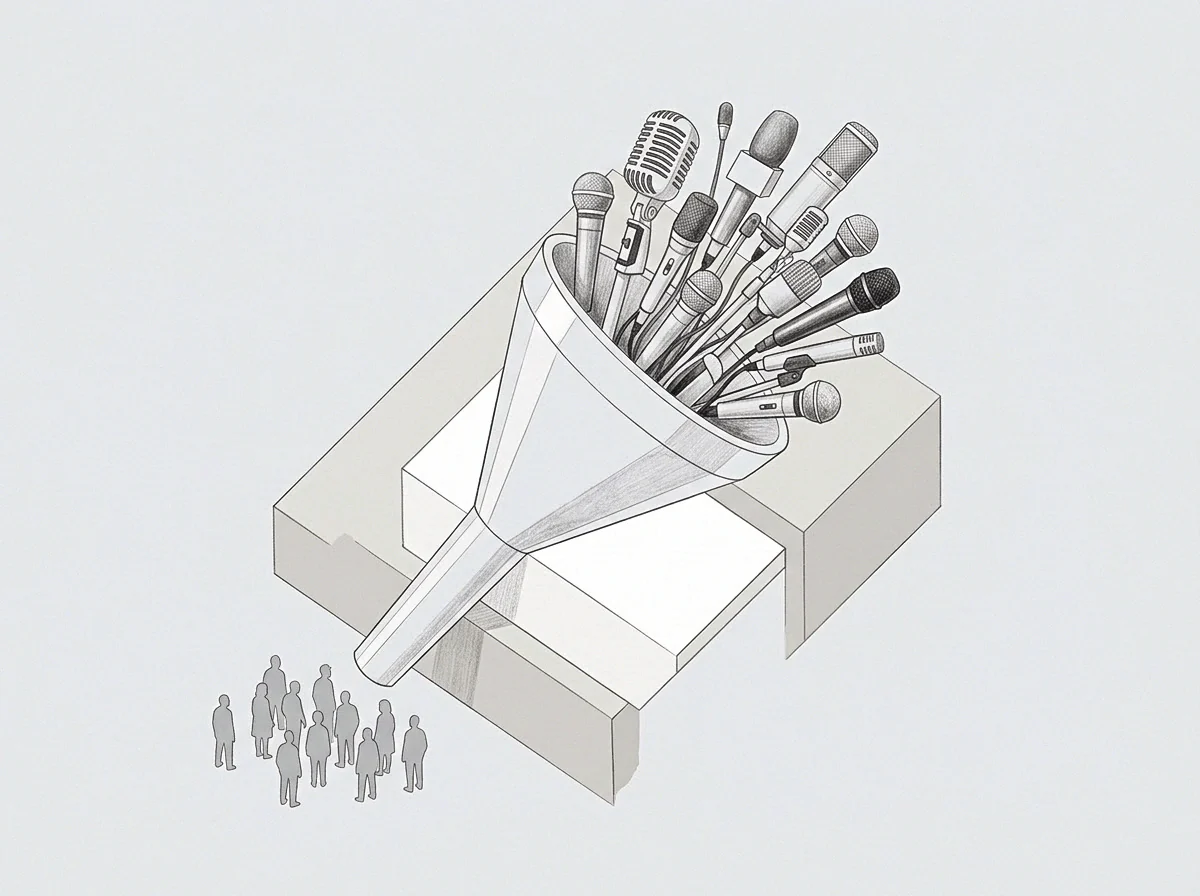
Physiology of Borrowed Regulation
The brain estimates energy expenditure based on who is nearby. Under social baseline theory, the nervous system conserves metabolic resources when it senses capable allies within reach. Without structural buffering, the leader becomes the default source of borrowed regulation for the entire team.
The group treats the central figure as a shared energy reservoir, relying on their parasympathetic stability to quell personal fight-or-flight responses. To team members, this feels like their own natural composure, masking the fact that their calm is imported.
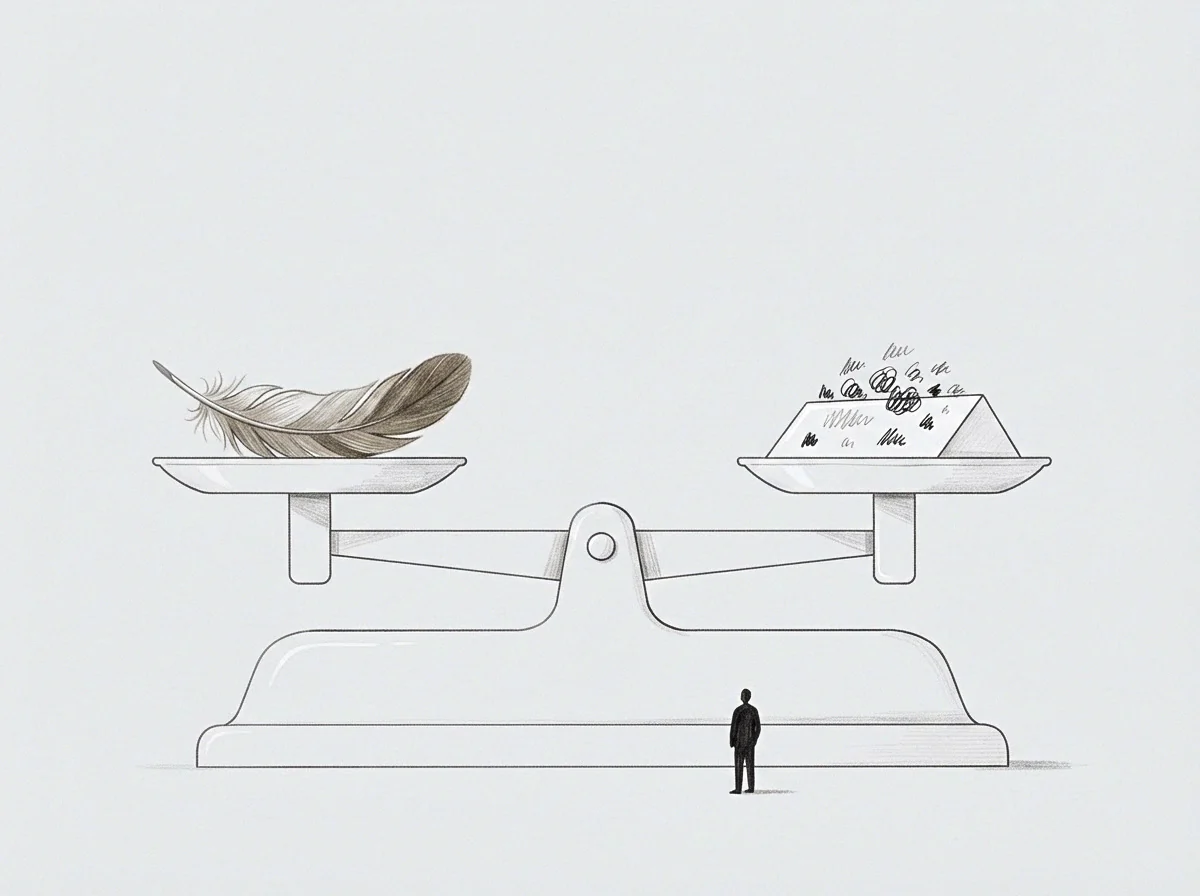
Co-regulation distributes physiological strain when structural dampers absorb raw threat signals.
The primary regulator bears an unbuffered load. This relentless draw prevents the leader from experiencing reciprocal co-regulation, since no secondary anchor exists to reflect calm back to the core. Energy flows in one direction.
Over time, the regulator’s nervous system adaptively recalibrates, setting solitary self-regulation as the default. The capacity to accept calm from others atrophies. Showing distress starts to look like an operational failure, reinforcing a strict wall between internal strain and outward performance.
Unbuffered group regulation breaks structural stability across several distinct physiological and operational vectors:
- Allostatic Load Accumulation occurs when constant micro-adjustments to group anxiety prevent the central anchor from returning to baseline, causing chronic exhaustion.
- Attunement Exhaustion develops as the leader’s prefrontal cortex loses the ability to distinguish minor operational friction from genuine organizational risk.
- Receptor Slot Atrophy manifests when the leader’s nervous system stops registering offers of support, treating another person’s presence as a fresh demand rather than relief.
- Open-Loop Retention persists when unresolved team anxieties remain in the central anchor’s working memory long after an incident ends.
Modes of Unbuffered Stress Transmission
Without buffers, team members pass raw emotional data straight to the top. They skip synthesis, filtering, and initial risk assessment, relying on the central leader as a real-time emotional processor. Late-night messaging, alerts sent without context, or sudden bursts of frustration during updates all dump dysregulation onto the recipient.
The leader spends metabolic energy absorbing that charge before even touching the technical issue, forcing the brain to filter out continuous noise.
The internal template forms in reverse. Instead of internalizing a responsive presence that offers comfort, the leader builds a self-model that exists solely to ground others. They become trapped in the role of perpetual calm provider.
When personal stress inevitably rises from outside life or market shifts, there is no structural outlet to discharge the load. Unable to release tension, the body breaks down through immune dysregulation, inflammation, and cognitive fatigue.
Neglecting structural dampers guarantees that routine operational pressure eventually drives the central anchor into autonomic collapse.
Buffer
Constructing Intermediate Structural Dampers
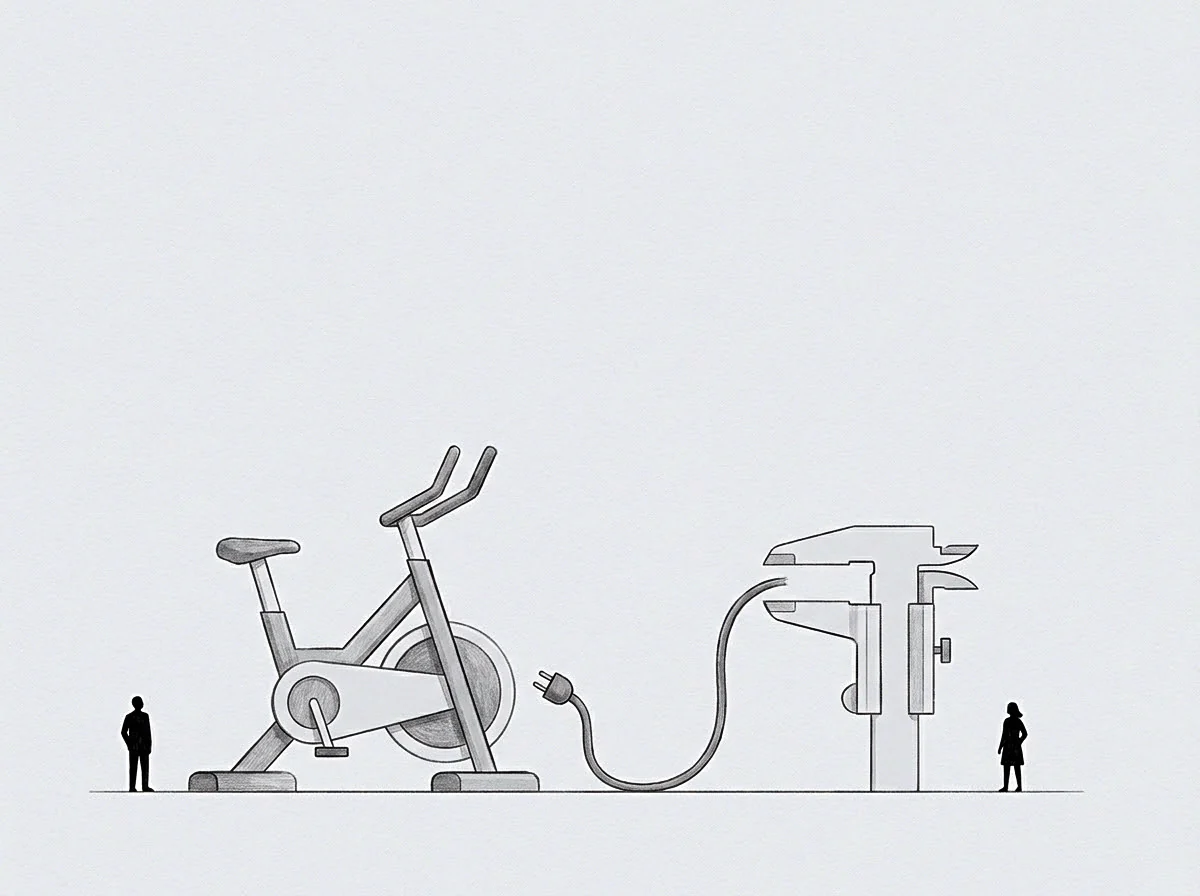
Structural dampers isolate central decision-makers from raw group anxiety. To prevent metabolic exhaustion, an organization builds operational buffers that absorb and process distress before it reaches core leadership. These are active mechanisms, not passive rules, designed to distribute regulatory load through explicit roles, scheduled communication windows, and structured escalation protocols.
This shifts group regulation from a personal toll into an institutional capacity.
The transition from personal regulation to institutional buffering follows a precise sequence:
- Establish asynchronous crisis channels that require structured threat reporting, forcing teams to outline scope, impact, and proposed solutions before notifying the central lead.
- Designate secondary operational leads trained to maintain composure during acute incidents, establishing an intermediate tier to absorb raw anxiety.
- Institute mandatory quiet periods that pause real-time communications, prompting individual contributors to resolve mid-level friction locally.
- Define explicit escalation gates restricting direct access to the central anchor to high-severity emergencies, treating proximity as a managed resource.
When an organization implements rigorous escalation gates, the volume of incoming unbuffered signals drops sharply. Team members learn to rely on peer networks and structured workflows to manage operational anxiety locally. The central lead shifts from a continuous shock absorber into a targeted strategic resource, stepping in only when buffers identify a genuine systemic threat.
This operational buffer allows the leader’s autonomic nervous system to disengage from constant vigilance, restoring cardiac recovery cycles and prefrontal clarity.
Inserting intermediate buffers alters the working dynamic between leadership and the organization. Deprived of the effortless calm they once drew from the center, team members may at first view these barriers as coldness or withdrawal. The secondary layer has to manage this shift explicitly, showing that boundaries strengthen overall resilience.
Over time, the group builds collective stamina, holds its own baseline, and relies less on a single regulator.
Mandatory asynchronous crisis protocols reduce unbuffered central escalations by seventy percent within thirty days.
Toll
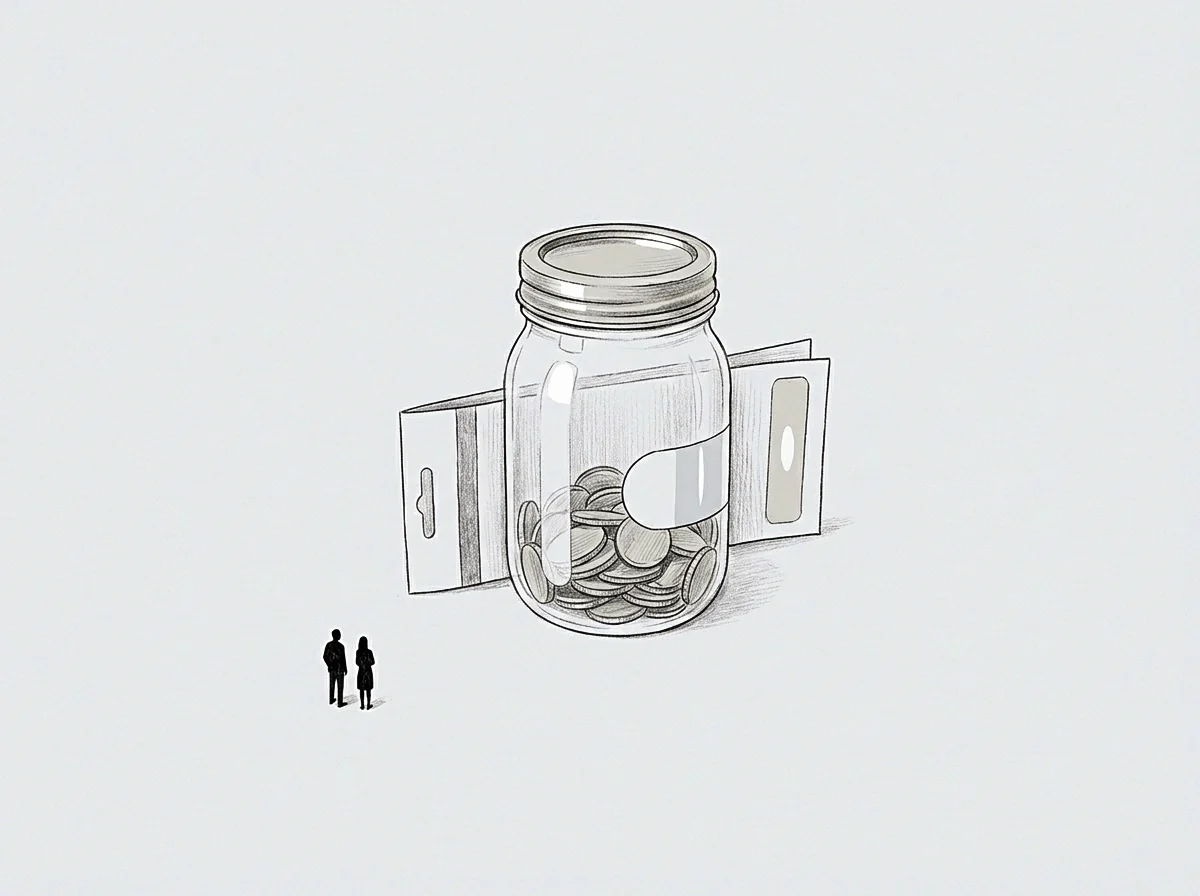
Comparative Load Metrics Across Organizational Structures
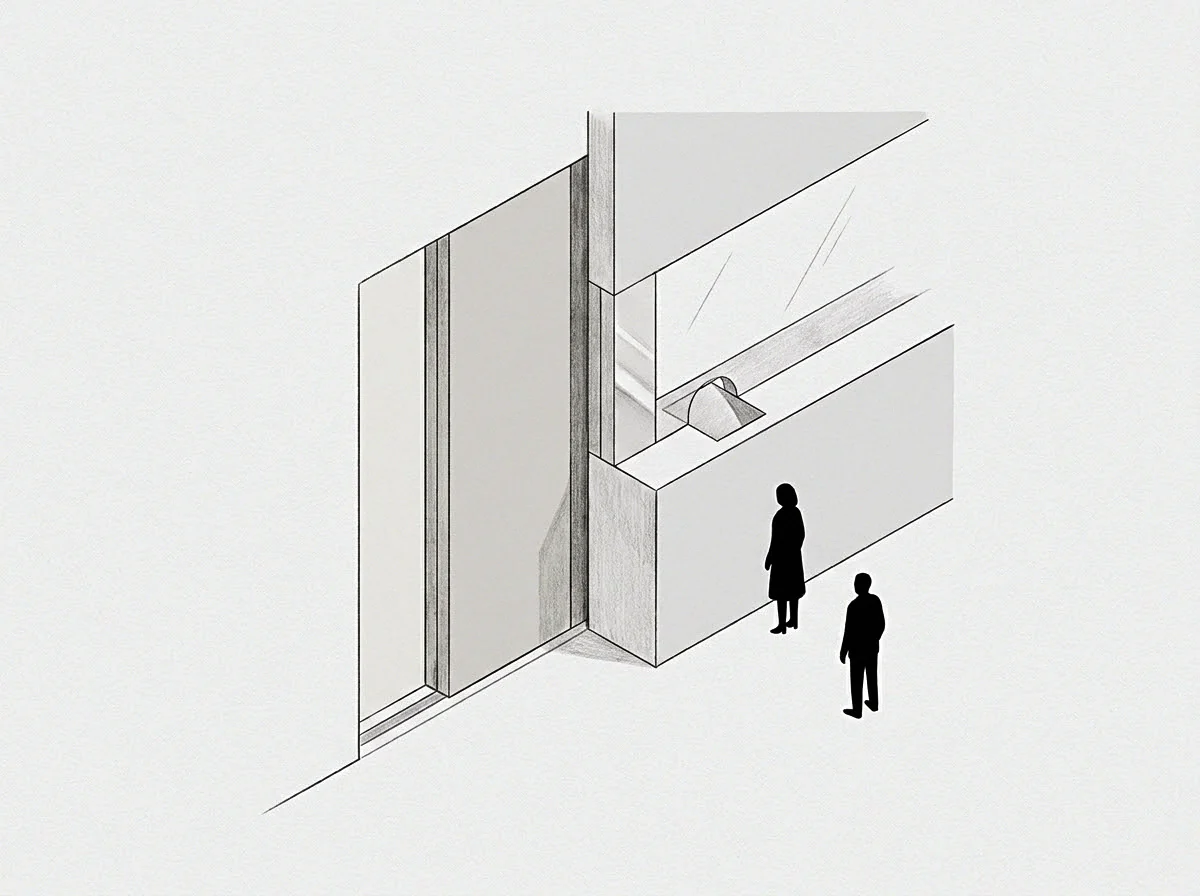
Sustained autonomic hyperarousal drains glucose reserves faster than normal cognitive work. The contrast between running an unbuffered organization and leading a buffered group shows clearly across autonomic, metabolic, and operational measures. When one person acts as the sole regulatory anchor for an entire company, the physical price shows up in reduced healthspan, poorer decisions, and higher executive turnover.
Comparing these load profiles exposes how inefficient it is to depend on personal fortitude instead of structural design.
| Evaluation Dimension | Unbuffered Single-Regulator Architecture | Buffered Multi-Tier Regulation Architecture |
|---|---|---|
| Glucose Expenditure Rate | Continuous elevation driven by relentless vigilance and direct signal absorption. | Intermittent spikes during real crises, returning quickly to resting baseline. |
| Autonomic Recovery Duration | Extended recovery required; heart rate variability stays suppressed overnight. | Rapid recovery; parasympathetic tone recovers within two hours post-incident. |
| Ambient Tension Transmission | Direct transfer; unfiltered team dysregulation hits the core in real time. | Filtered transfer; intermediate tiers absorb and neutralize non-critical noise. |
| Open-Loop Retention | High retention; unresolved anxieties linger in central working memory for days. | Low retention; escalation protocols close operational loops systematically. |
Structural buffers intercept raw tension before central reserves deplete.
The metabolic gap between these structures widens over time. An unbuffered regulator operates in constant deficit, draining physiological reserves to maintain group stability. This ongoing strain degrades prefrontal cortex function, clouding strategic judgment, emotional granularity, and risk assessment.
The leader swings between hyper-vigilant micromanagement and sudden disengagement as energy runs out. The organization mirrors that volatility, cycling between acute anxiety and operational paralysis.
A multi-tier architecture treats physiological capacity as a hard operational constraint. Distributing regulatory pressure across structured channels, secondary anchors, and protocols protects the core from unnecessary wear. The leader preserves parasympathetic headroom, enabling deliberate decision-making during actual crises.
Baseline energy use remains predictable, avoiding the sudden exhaustion that destabilizes early-stage companies under load.
The precise physiological threshold where chronic unbuffered regulation shifts from reversible metabolic fatigue into irreversible autonomic dysfunction remains unknown.

Update
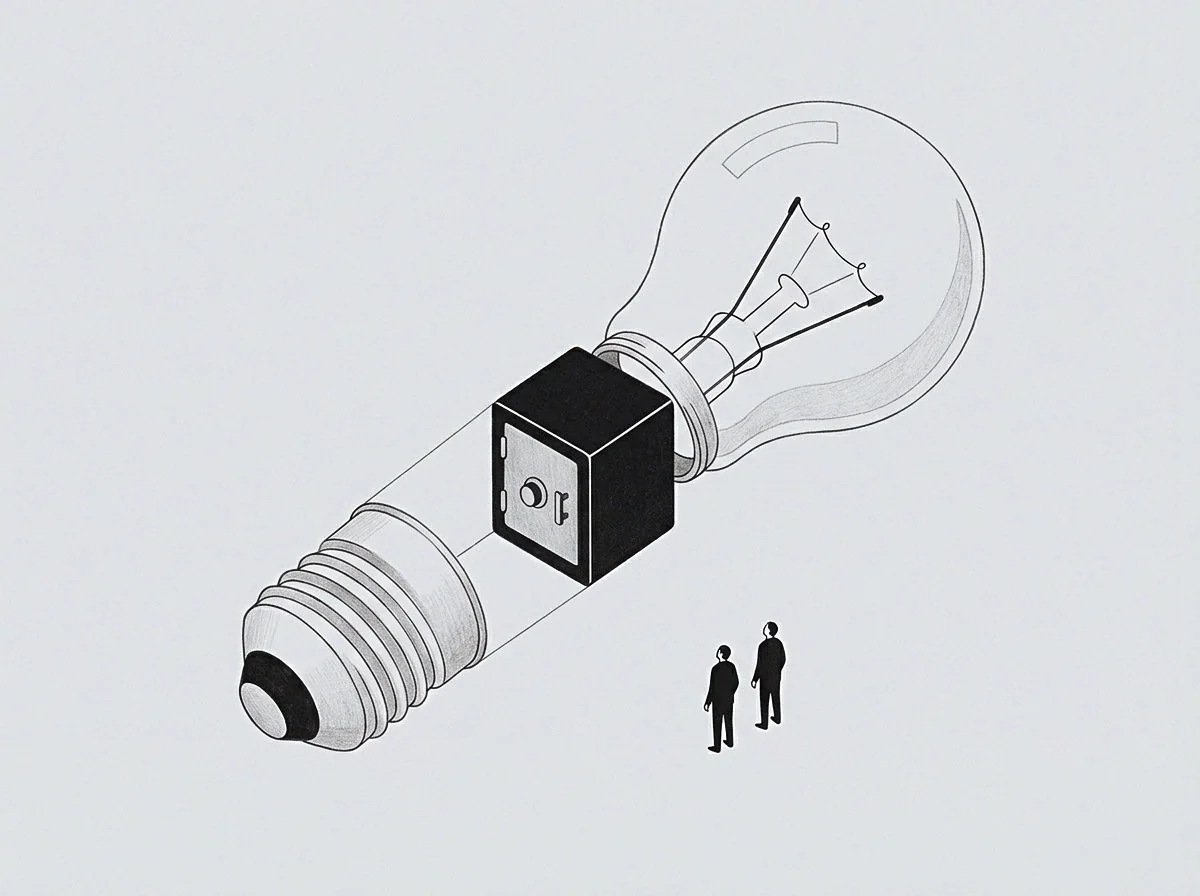
Shifting From Absorption to Reciprocal Presence
Updating this internal model requires repeated exposure to responsive co-regulation. A leader who has operated as an unbuffered anchor for years cannot simply choose to trust others or change mindsets. Grasping attachment theory or social baseline theory intellectually will not shift an autonomic nervous system’s habitual defense.
The body recalibrates its safety baseline only through real experiences where strain is voiced, received, and held by another capable person without the load being passed back.
Developing a functional capacity to receive support takes deliberate practice in lower-stakes situations. The leader must systematically leave small operational uncertainties unhandled, proving to their nervous system that the company does not collapse without immediate intervention. At the same time, they need relational channels outside work where personal strain can be voiced without having to keep the other person steady.
This builds earned security, establishing a secondary template where mutual co-regulation feels safe and viable.
Internal models update through steady exposure to calm anchors. As the new template settles, the leader begins telling genuine emergencies apart from ambient group noise. The automatic reflex to absorb team panic gives way to a response that routes people toward structural dampers and peer networks.
Rather than acting as a shock absorber, the leader becomes a strategic guide, preserving central reserves for direction and long-term focus.
The shift completes when the leader can sit in a room of dysregulated peers without instinctively changing their breathing, posture, or autonomic state to calm others down. Staying distinct from ambient tension is the real mark of recovery. The organization learns to maintain its own baseline, the leader regains autonomic flexibility, and the physical cost of group regulation settles into a sustainable, buffered balance.
A leader who protects central energy reserves retains the capacity to guide an organization through a genuine systemic crisis.