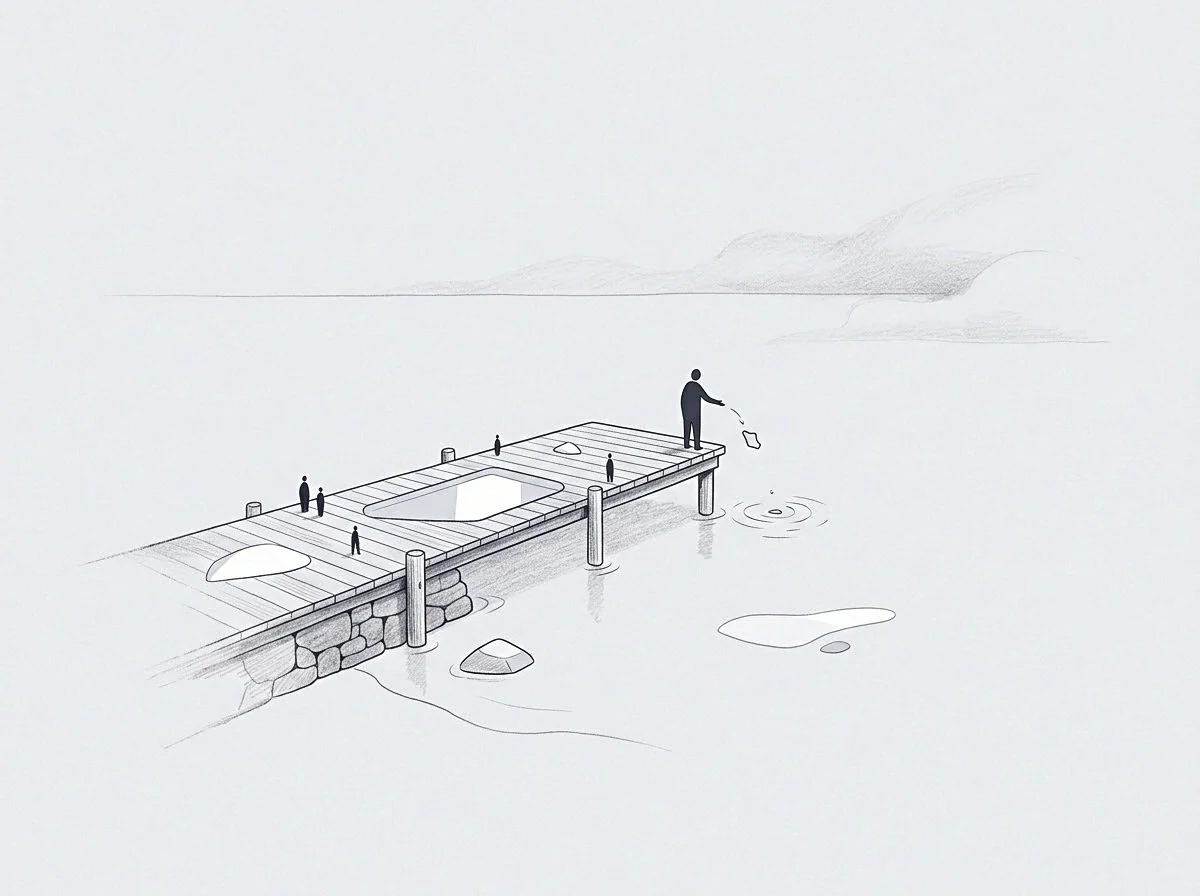
Meaning
Physiological capacity of an individual to absorb external stressors without triggering a state of dysregulation acts as a primary defense against burnout. Efficient nervous system buffering allows a person to maintain professional composure and logical thinking under extreme pressure. This capacity is not infinite and relies on the integrity of the underlying biological systems.
Protective Buffer
High levels of resilience are maintained through the consistent application of restorative practices. When nervous system buffering is high, the impact of a negative event is localized and does not spread to other functional areas. The cost of maintaining this shield is paid in the hours dedicated to sleep and physical maintenance.
Internal Cost
A reduction in the available buffer leads to an increase in emotional volatility and physical exhaustion. If nervous system buffering is compromised, the individual reacts to minor inconveniences as if they were major threats. The cost is an increase in the energy required to perform basic regulation.
Total capacity for external work drops as the body redirects resources to internal stabilization.
Capacity Limit
Buffering capacity is restored only through prolonged periods of low stimulus and physical recovery. Once the limit is reached, the system requires a reset.