Meaning
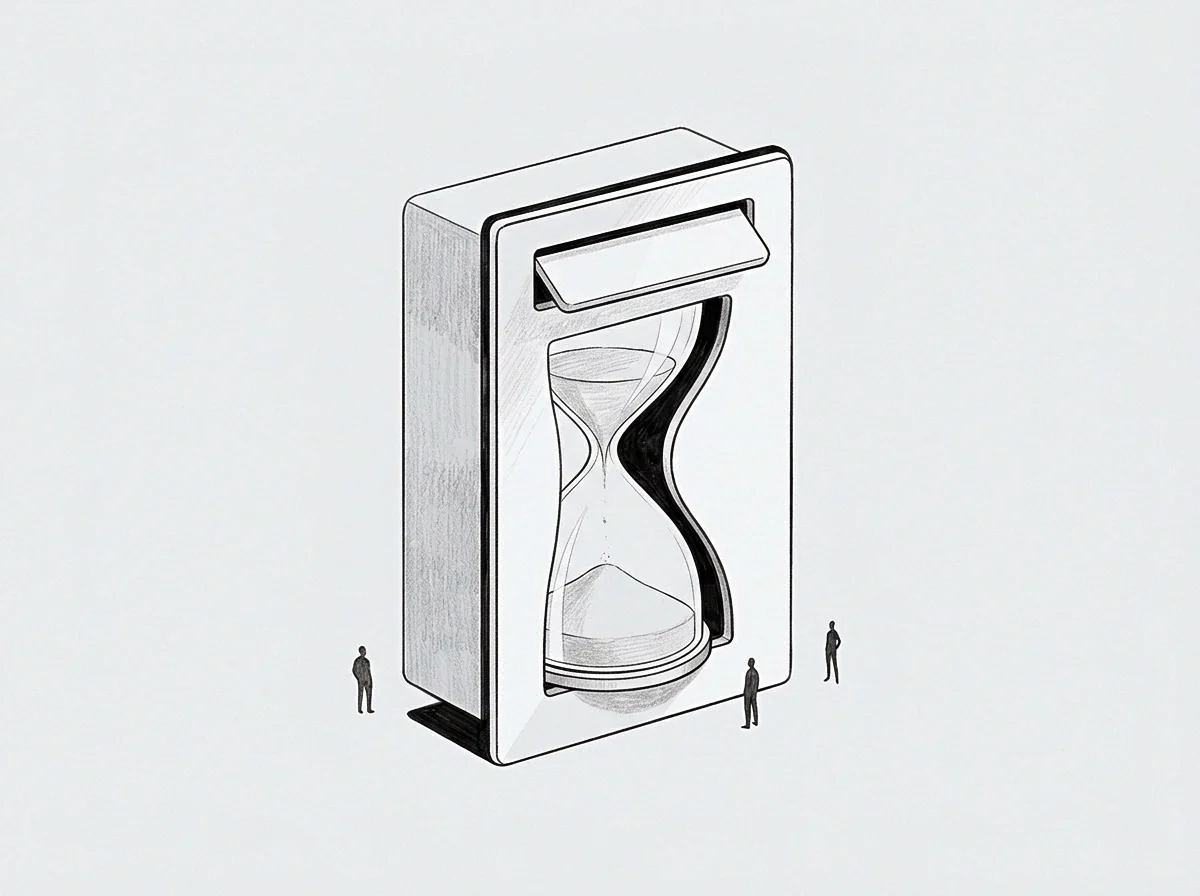
Dysregulated hypothalamic-pituitary-adrenal axis output describes a physiological state where chronic demand exceeds endogenous recovery capacity. Neuroendocrine fatigue occurs when sustained cortisol elevation forces an eventual downturn in hormonal secretion levels. The condition involves a measurable deficit in the chemical signaling that manages daily energy deployment.
Hormonal Regulation
Prolonged reliance on high intensity stress responses alters the baseline rhythm of the endocrine system. Cortisol production follows a circadian pattern that flatlines under conditions of persistent metabolic pressure. This shift reduces the available capacity for cognitive execution and physical maintenance.
Once the system loses the ability to return to its resting state, the feedback loop between the brain and the adrenal glands becomes unresponsive.
Systemic Cost
Individuals in this state experience a measurable decrease in mental bandwidth and attention duration. The metabolic overhead of constant alertness consumes glucose and mineral reserves faster than the body replaces them. Capacity drops across the board as the physical mechanism prioritizes immediate survival over complex problem solving or long term planning.
Such depletion forces a reduction in active hours to prevent total system failure.
Recovery Threshold
Stabilization requires a decoupling from the external triggers that forced the original hyper-activation. Physiological normalization happens only when the neuroendocrine system receives sufficient time to reset its baseline sensitivity. Total reversal remains dependent on the length of exposure to the initial stressors and the inherent efficiency of the subject’s biological pathways.