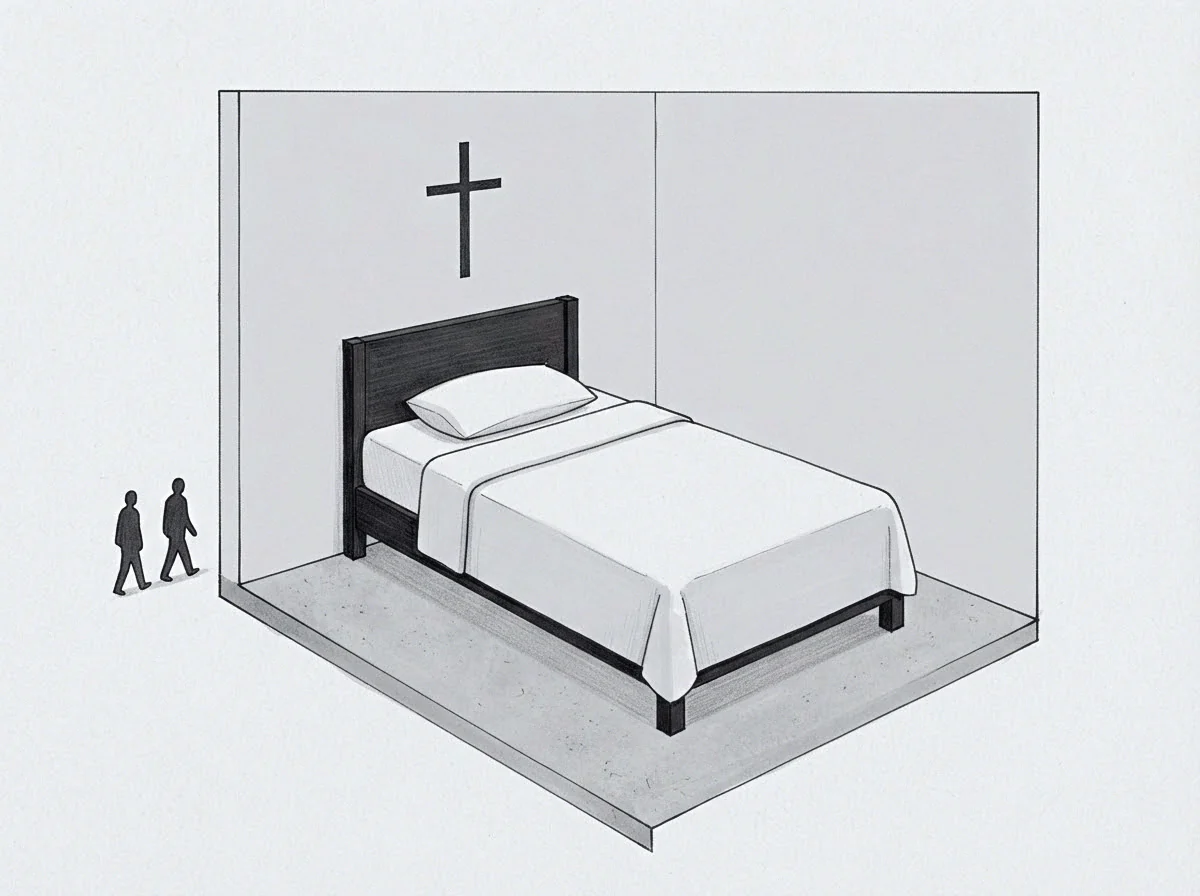
Meaning
Physiological wear accumulates when sustained autonomic arousal mobilizes glucocorticoids and catecholamines without the muscular exertion or environmental resolution required to clear them. In prolonged commercial stewardship, neuroendocrine friction defines the biological cost of chronic threat vigilance and perpetual outcome uncertainty. The term measures somatic drag across cardiovascular and metabolic systems during high-concurrency responsibility.
It stops applying once biological equilibrium is restored through total detachment or when acute shock transitions into clinical organ failure.
Hormonal Accumulation
Extended periods of unresolvable accountability lock the human nervous system into sympathetic dominance. While active founders maintain outward composure, neuroendocrine friction drives sustained hypothalamic-pituitary-adrenal axis activation, circulating excess cortisol throughout the vascular bed. This sustained hormonal presence impairs sleep architecture and degrades cellular repair.
The body remains biochemically prepared for physical trauma while seated stationary at a desk. Recovery demands prolonged absence of administrative demand, yet the persistent ping of potential insolvency keeps hormonal triggers perpetually engaged. Over successive quarters, baseline blood pressure climbs as vascular resistance adapts to sustained chemical alarm.
Somatic Exhaustion
Continuous exposure to stress hormones compromises cognitive and physical resilience. When neuroendocrine friction persists without physiological discharge, executive coordinators experience systemic inflammation and persistent muscle tension. The nervous system becomes hyper-reactive to ambiguous stimuli, interpreting routine emails as existential threats.
Decision quality degrades because prefrontal networks are starved of restorative downtime while limbic centers maintain absolute control. Operating in this state turns every commercial negotiation into an exhausting somatic drain.
Restorative Limit
Biochemical depletion cannot be rectified by cognitive reframing or mental discipline. When neuroendocrine friction reaches advanced stages, the endocrine system resists conscious override and enforces metabolic shutdowns. Only extended cessation of existential accountability permits the hypothalamic axis to reset its resting baseline.
Physiological systems enforce biological limits regardless of commercial urgency.