

Measuring Parasympathetic Recovery in High Threat Leadership Environments
Parasympathetic recovery in high-threat environments depends on nocturnal vagal reactivation measured through beat-to-beat variability and rapid heart rate deceleration.
Parasympathetic recovery in high-threat environments depends on nocturnal vagal reactivation measured through beat-to-beat variability and rapid heart rate deceleration.
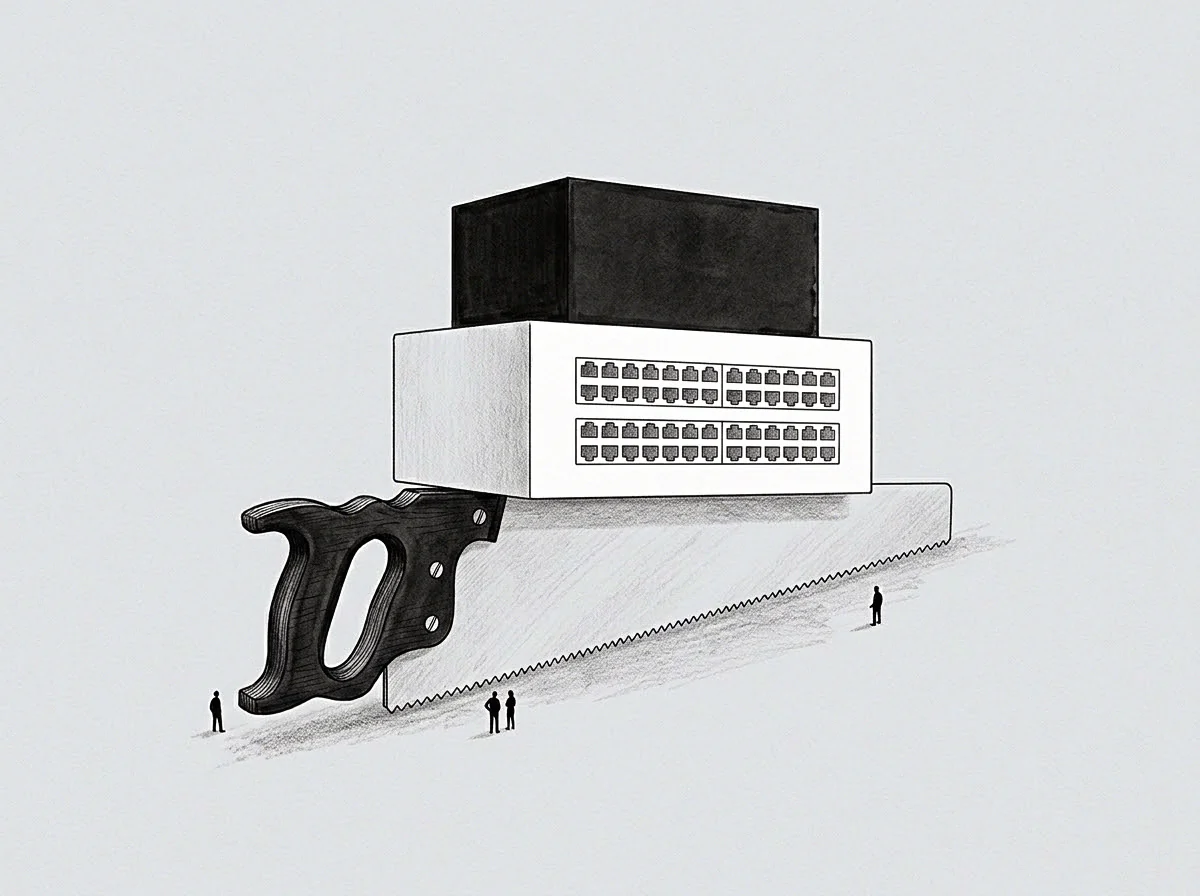
Explicit operational delegation boundaries eliminate open cognitive loops, shifting autonomic tone toward parasympathetic recovery and lowering allostatic load.
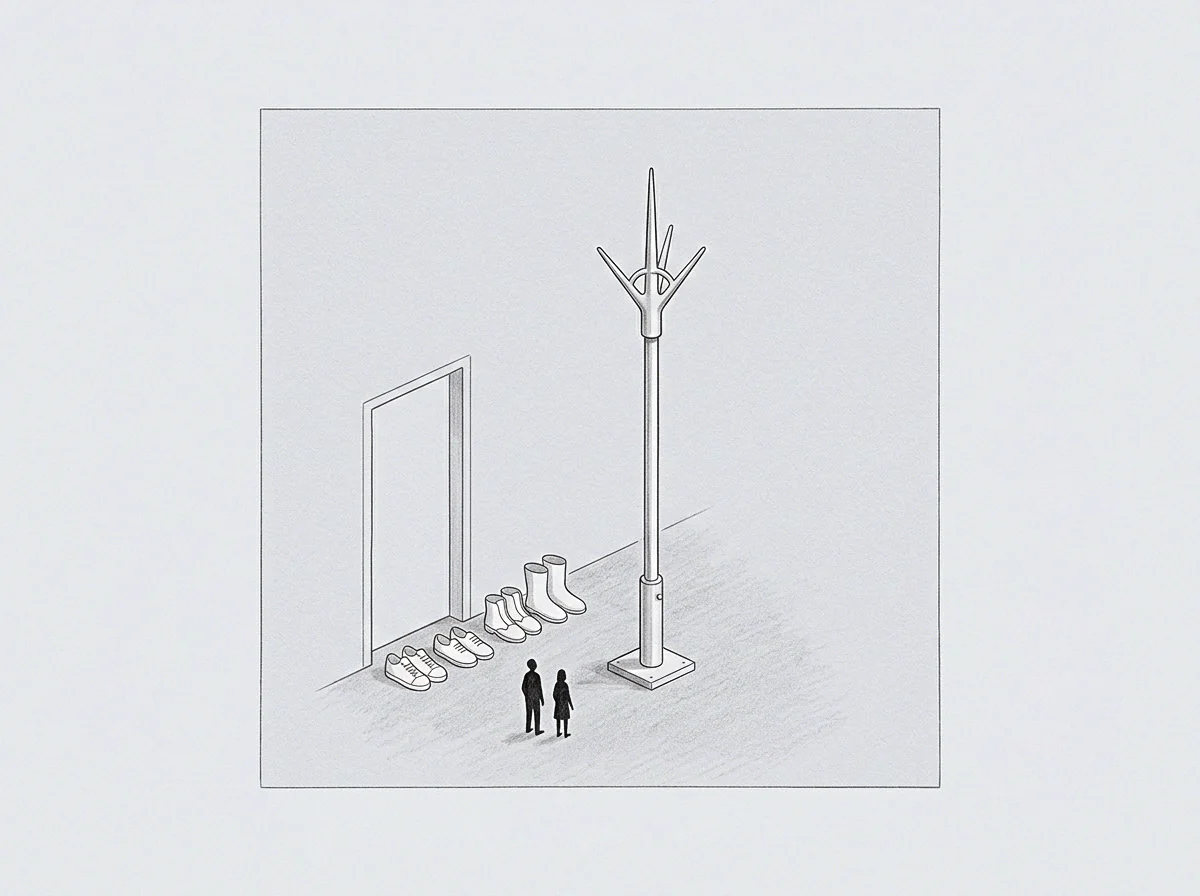
Unresolved operational threads maintain central nervous system vigilance, suppressing the vagal brake and preventing nocturnal parasympathetic cardiac recovery.

Suppressing nocturnal heart rate dipping and extending vagal recovery latency stems from continuous sympathetic outflow triggered by ungated operational loops.
The terms are written where they belong. Each field holds three desks, and every entry a desk writes raises the terms it uses, each term given a meaning, a mechanism and the places it appears. The record on these pages stays first person and hand made; the fields grow the nomenclature.