Meaning
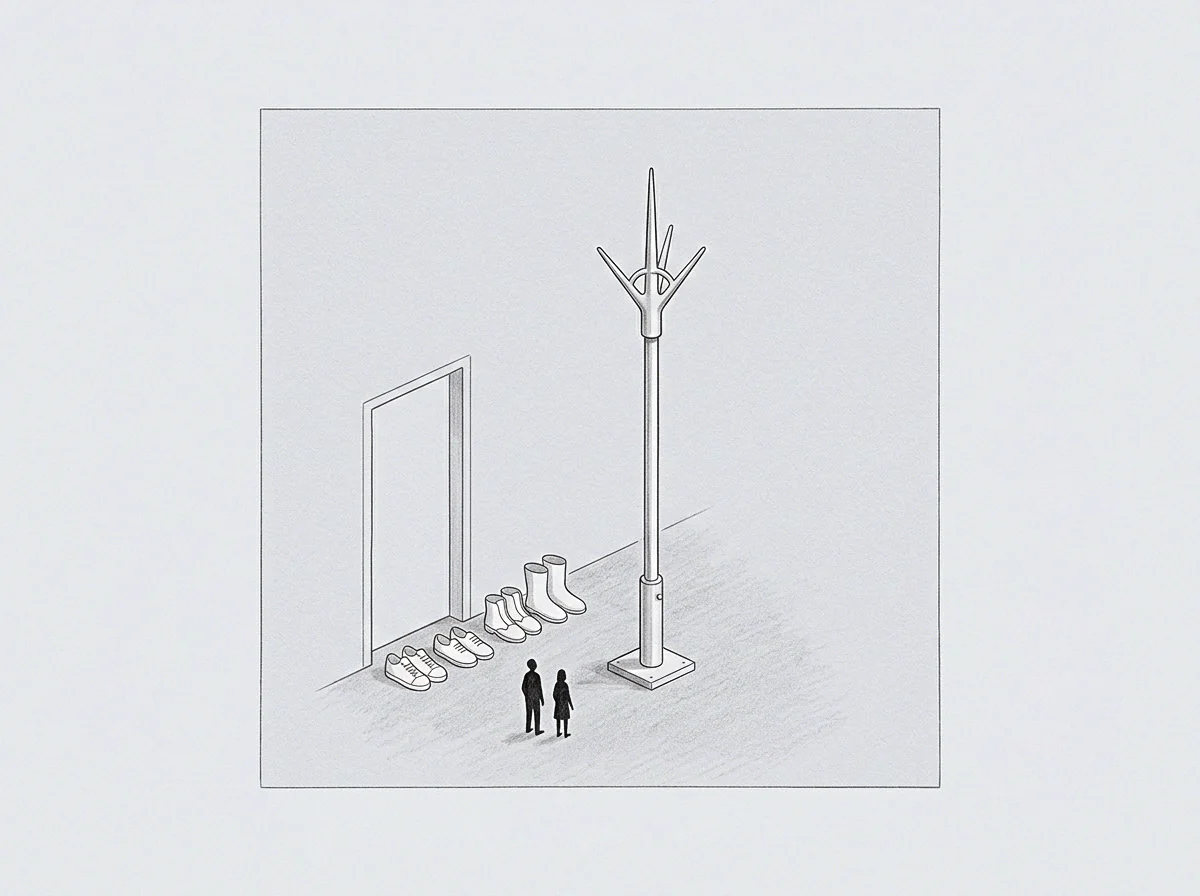
Cognitive retention of unfinished tasks creates a persistent mental load that prevents complete psychological disengagement from work. The Zeigarnik phenomenon explains why incomplete business decisions continue to occupy working memory, causing stress even during periods of rest.
Mental Strain
Keeping multiple incomplete tasks open in the brain drains the finite resources of working memory. Because of the Zeigarnik phenomenon, these unfinished loops prevent the prefrontal cortex from fully entering a state of rest, keeping the nervous system slightly elevated. This continuous background processing leads to cognitive fatigue and reduces the capacity for creative problem-solving.
Resolution Protocol
Closing these open loops requires a systematic approach to task management that convinces the brain that the work is under control. Writing down a detailed plan for how to complete each unfinished task reduces the impact of the Zeigarnik phenomenon by releasing the mental hold on those items. This offloading process allows the brain to transition to a restorative state, lowering the heart rate and reducing the overall level of circulating stress hormones.
Cognitive Limit
The human mind has a limited capacity for handling these open loops simultaneously before executive function begins to suffer. When this threshold is crossed, the continuous background stress causes memory lapses and a decreased ability to focus, requiring a structured intervention to clear the mental slate.