Meaning
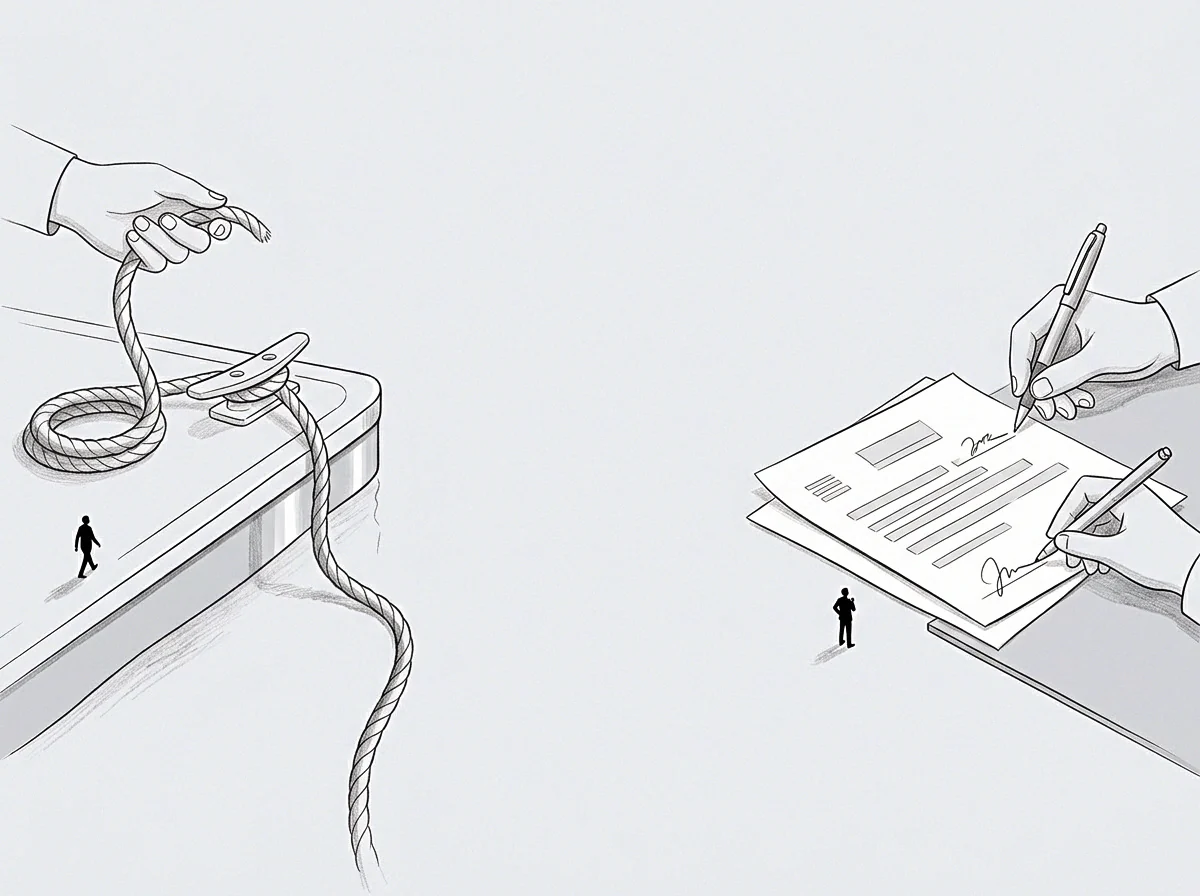
Physical closeness to another person that does not require active engagement or specific performance provides a sense of security. Non-contingent proximity allows the nervous system to feel safe simply because another trusted individual is present in the same space. This state occurs when two people work in the same room without the need for conversation or collaboration.
Safety Signal
The body interprets the quiet presence of another as a sign that the environment is secure. Non-contingent proximity reduces the need for peripheral threat monitoring and allows the brain to focus on complex tasks. This mechanism is particularly helpful for founders who spend long hours in high pressure environments.
It provides a baseline of comfort that supports sustained effort.
Attention Cost
While this state is restorative, it still requires the presence of a person who is trusted and non-threatening. The cost is the physical space and the time required to be together without an agenda. For some, the cost also includes the potential for minor distractions.
However, the benefits of the shared presence usually outweigh these small interruptions.
Presence Boundary
The benefit of this state stops if the other person becomes a source of demand or conflict. Non-contingent proximity only works if both parties agree to a period of no interaction. If one person starts asking questions or making requests, the state of safety is broken.
This boundary defines the difference between a supportive presence and a demanding one. Shared silence builds deep trust.