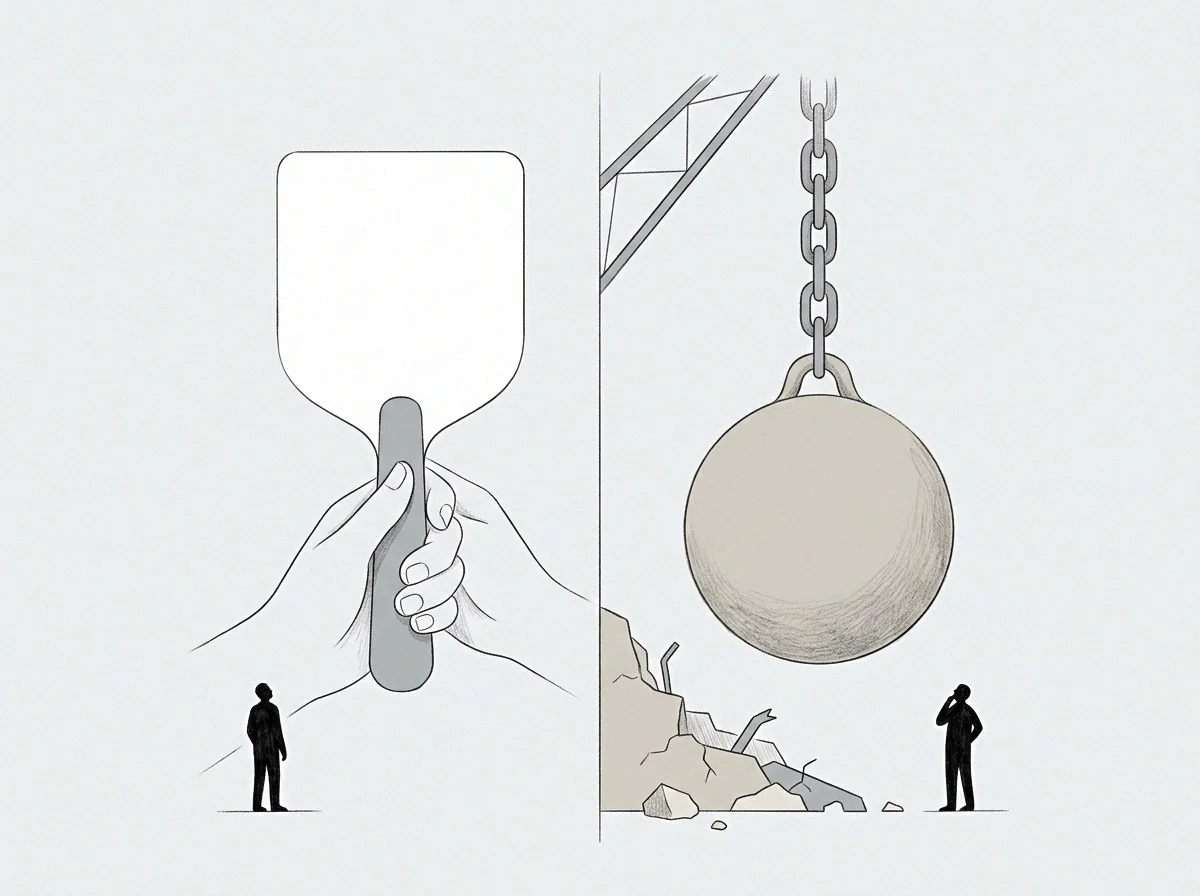
Meaning
Internal fluctuations in team composition, project direction, and resource allocation that create instability within a firm define this systemic state. In post funding stages, organizational volatility represents the rate of change in reporting lines and strategic focus as the company scales. It governs the frequency of reorgs, the turnover of mid level staff, and the duration of team alignment.
This measurement stops when the operating model achieves predictable cycles and stable talent retention.
Structural Flux
Constant adjustments to team mandates erode the focus of individual contributors. When organizational volatility is high, employees spend substantial time renegotiating their roles rather than building products. This distraction delays the execution of core strategies and increases the error rate in development.
The friction from constant shifting prevents the firm from establishing stable operating habits.
Attention Cost
Cognitive strain accumulates when workers cannot predict their tasks from week to week. Under the influence of organizational volatility, a founder’s attention is consumed by managing employee anxiety and resolving territorial disputes instead of evaluating market trends. This constant firefighting depletes the executive energy reserves.
It turns simple team handoffs into complex political negotiations that demand hours of mediation.
Operational Limit
Moderate adjustments are necessary to align resources with fresh market information. If all instability is removed to achieve perfect predictability, the business becomes slow to adapt to aggressive competitor moves.