Meaning
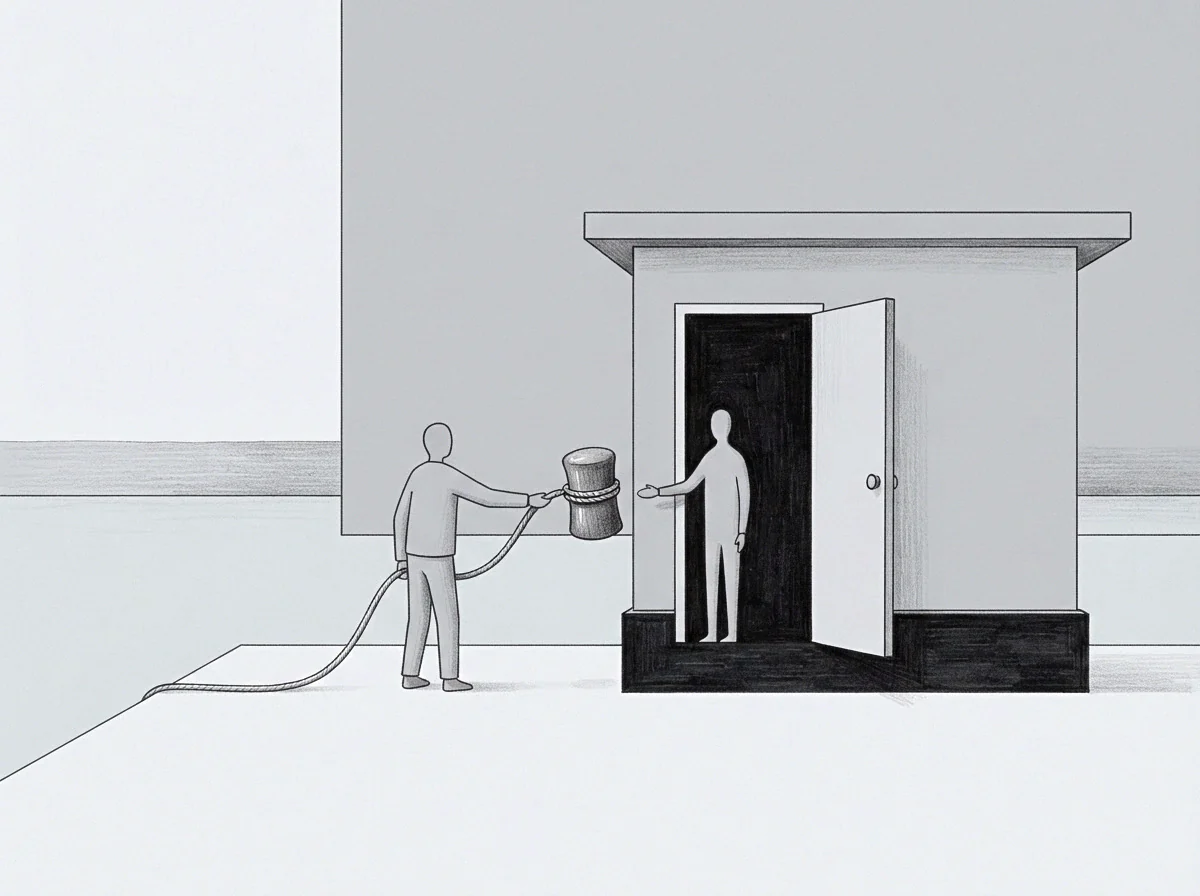
Physiological deregulation occurs when the autonomic nervous system loses its ability to cycle between sympathetic mobilization and parasympathetic recovery. Autonomic exhaustion describes this state where internal biological rhythmicity remains trapped in a high-arousal orientation despite the removal of the original external stressors. Persistent cortisol elevation and heart rate variability decline characterize this phenomenon as the body maintains a mobilized posture even during expected downtime.
The condition represents a decoupling of neural signaling from environmental reality, forcing metabolic systems to run at maximum output until hardware degradation or systemic failure occurs.
Operational Penalty
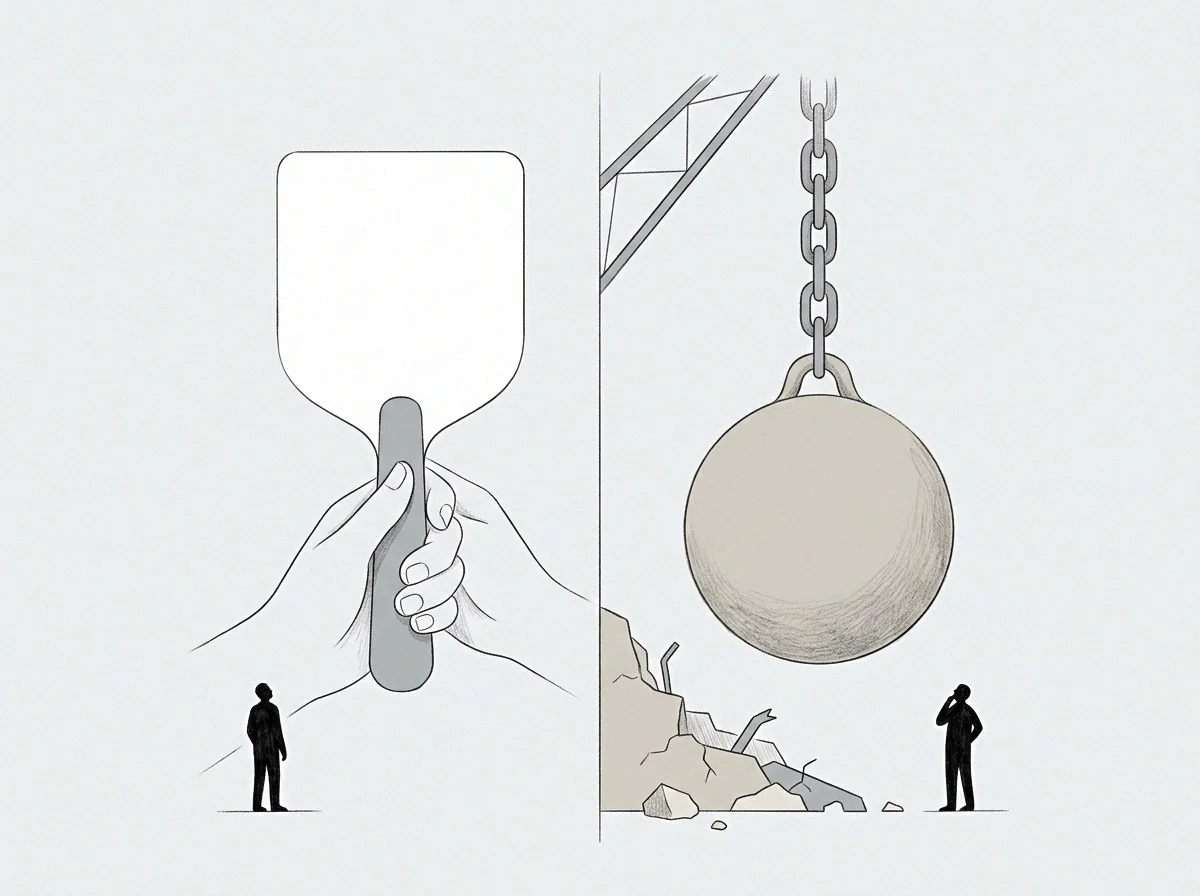
Reduced cognitive processing bandwidth marks the primary performance deficit for individuals operating under this persistent high-load state. Frontal lobe executive functions rely upon autonomic stability to perform complex pattern recognition and rapid decision-making tasks. When systemic energy expenditure remains fixed at an elevated plateau, the brain prioritizes basic survival signaling over higher-order strategic evaluation.
This shift narrows the window of attention, causing the individual to miss subtle social cues or long-term operational risks that require nuanced situational awareness.
Regulator Mechanism
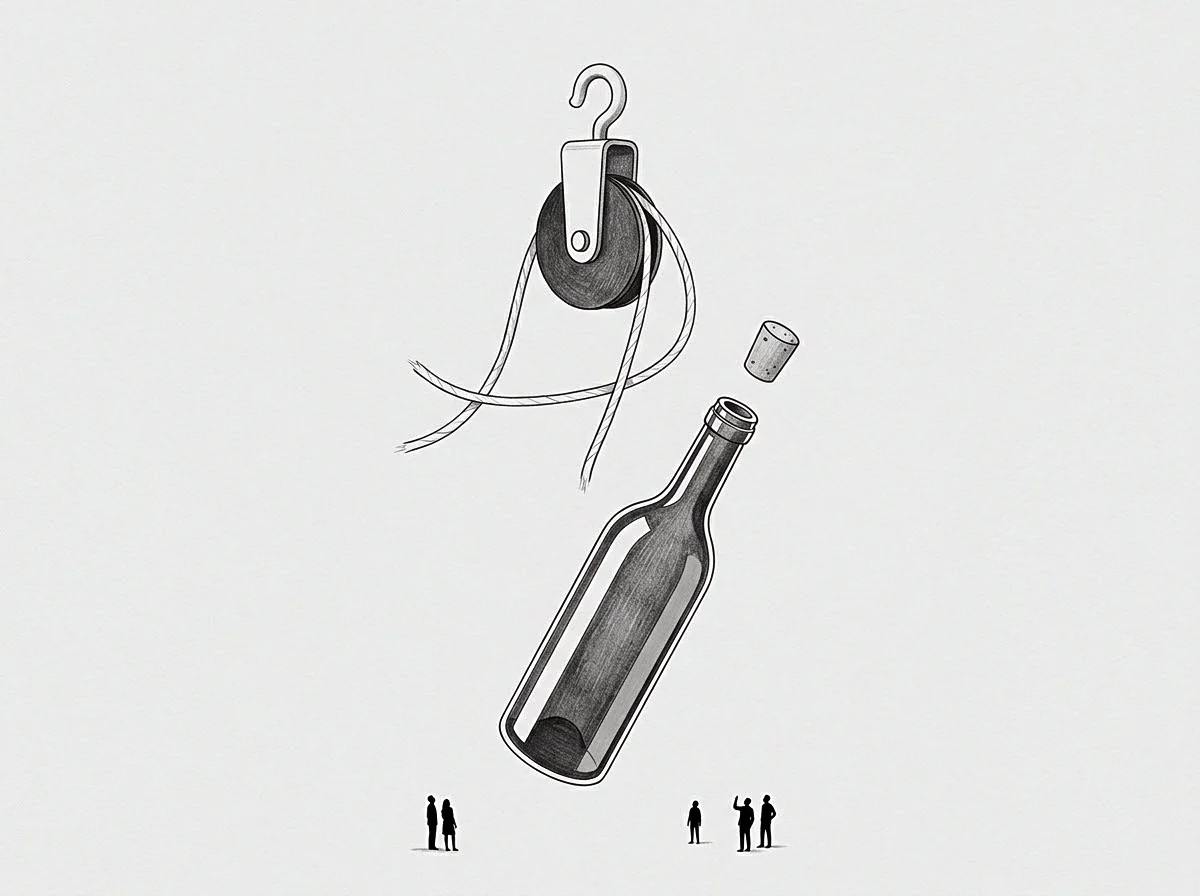
Chronic demand cycles prevent the natural recalibration of the vagus nerve, which effectively acts as the braking system for the physiological stress response. The nervous system requires consistent intervals of low-arousal recovery to reset its baseline sensitivity to internal and external threats. Without these recovery gaps, the neural pathways governing heart rate and respiratory control become fixed in an accelerated configuration.
A person with this condition loses the ability to shift from a reactive state to a calm state upon command, as the neurological hardware requires significantly longer periods of quietude than the environment provides.
Recovery Boundary
True stabilization of systemic function requires a complete withdrawal from high-stakes decision cycles for a duration that exceeds the depth of the initial depletion. Shorter breaks provide temporary symptom suppression but fail to address the underlying degradation of autonomic responsiveness. Complete recovery necessitates the restoration of parasympathetic dominance, a process that moves at a biological speed rather than an operational one.
Any return to heavy cognitive load before this neural reset concludes forces a rapid transition back into the exhausted state, confirming that capacity is a biological rather than a psychological variable.