Meaning
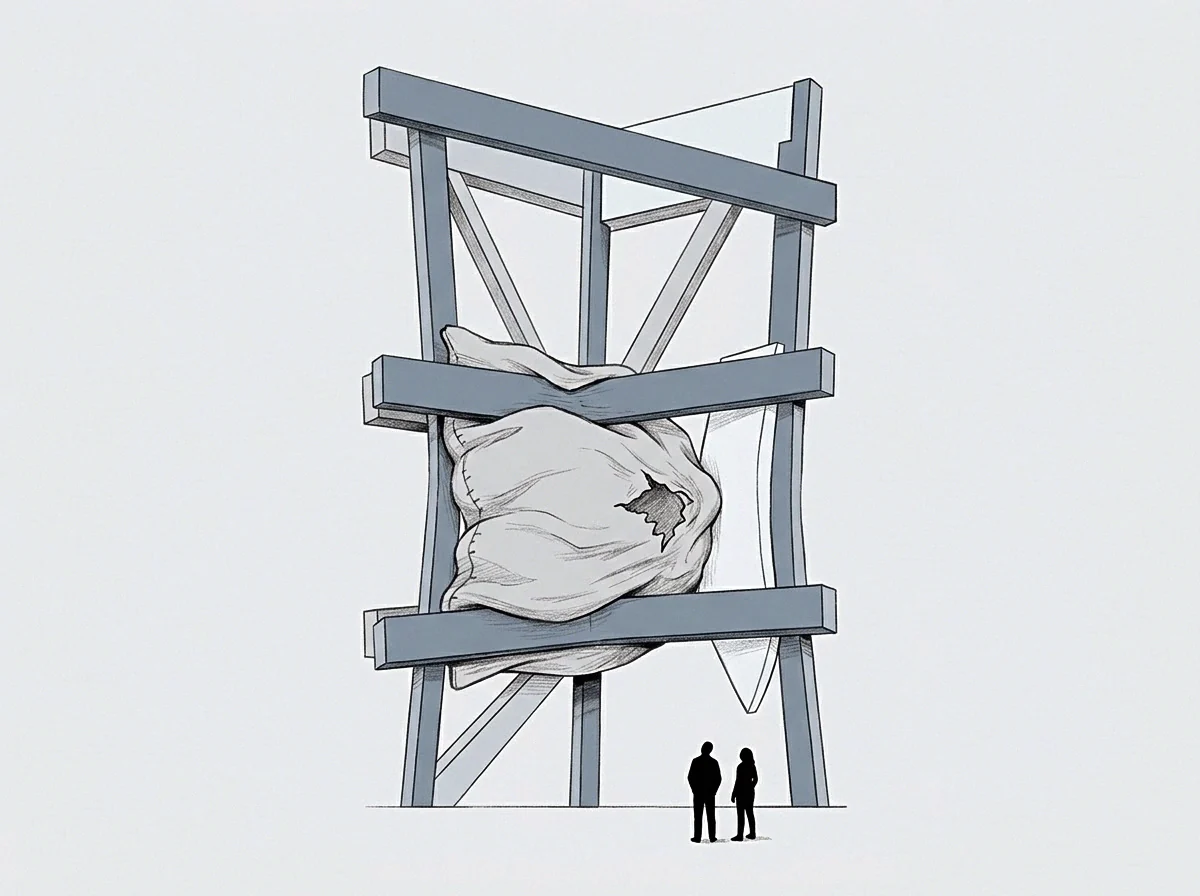
Residual cognitive processes or open operational tasks remain active in the background of a former founder. These parked loops consume available mental capacity and occupy attention even when no active work is performed on the underlying venture. They represent the incomplete transition from the period of full commitment to the post-founding stage.
Operational Persistence
Neural resources remain allocated to these items because the closure of specific executive functions has not occurred. A founder often perceives this state as a subtle drain on energy while attempting to focus on new domains. The mechanism relies on the brain maintaining a state of high alert for problems that no longer require the individual to provide a response.
Such background activity forces a division of mental focus between the present situation and the phantom requirements of the retired operation.
Structural Friction
Regulation of this phenomenon requires an explicit termination protocol for every legacy project. Removing these entries involves an intentional review of all pending matters and a formal declaration that the items no longer require attention from the former owner. The absence of this practice results in a permanent tax on cognitive bandwidth that hampers the intake of information in new environments.
Systemic Consequence
Persistent background processing affects the velocity at which a person adapts to alternative professional roles. High levels of these occupied circuits reduce the speed of learning in new contexts because the internal architecture remains partially committed to previous problem sets. Efficiency in moving forward correlates with the speed at which these internal cycles are successfully decommissioned.