Meaning
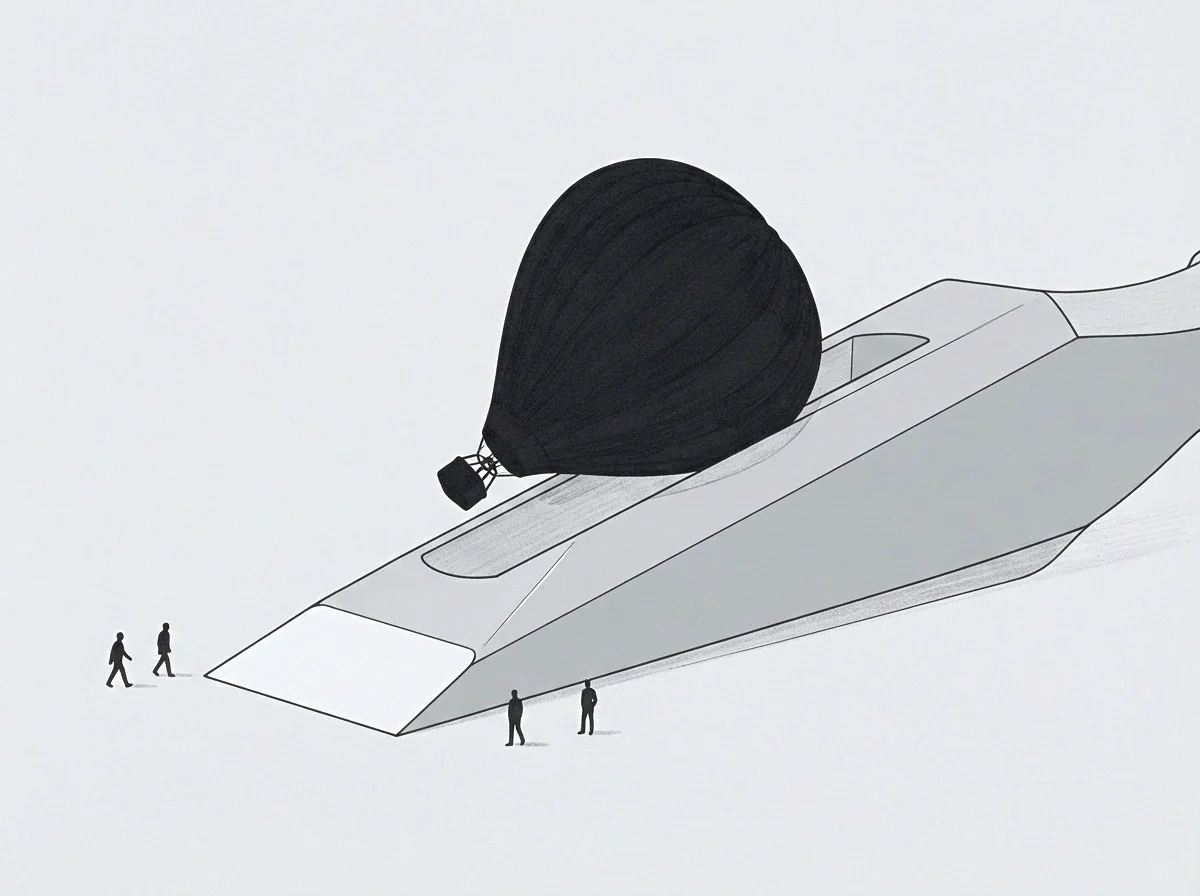
A psychological defensive shift occurs when a person substitutes trivial tasks for highly demanding or anxiety inducing responsibilities. Through priority displacement, a leader spends precious hours on minor administrative details while avoiding crucial strategic choices. This action allows the individual to maintain a false sense of productivity while avoiding the discomfort of high stakes problems.
Anxiety Shielding
Anxiety drives the selection of tasks that offer guaranteed completion and immediate satisfaction. By focusing on low risk activities, the individual creates a psychological buffer against the pressure of unresolved decisions. This defense mechanism reduces immediate worry but leaves the primary source of strain untouched.
Operational Drag
Delaying major decisions stalls organizational momentum and creates bottlenecks for the entire team. As priority displacement takes hold, the founder ignores long term strategy, causing projects to languish while they focus on formatting slides or organizing files. Team members lose direction because they must wait for answers on critical issues, which lowers collective efficiency and raises frustration.
The organization suffers from a lack of clear guidance, even though the leader appears to be working constantly.
Systemic Correction
Breaking this pattern requires external intervention, such as accountability partners or structured decision frameworks. Once the underlying anxiety is acknowledged, the leader can return their focus to essential high-level tasks. This realignment restores the strategic drive needed to move the company forward.