Meaning
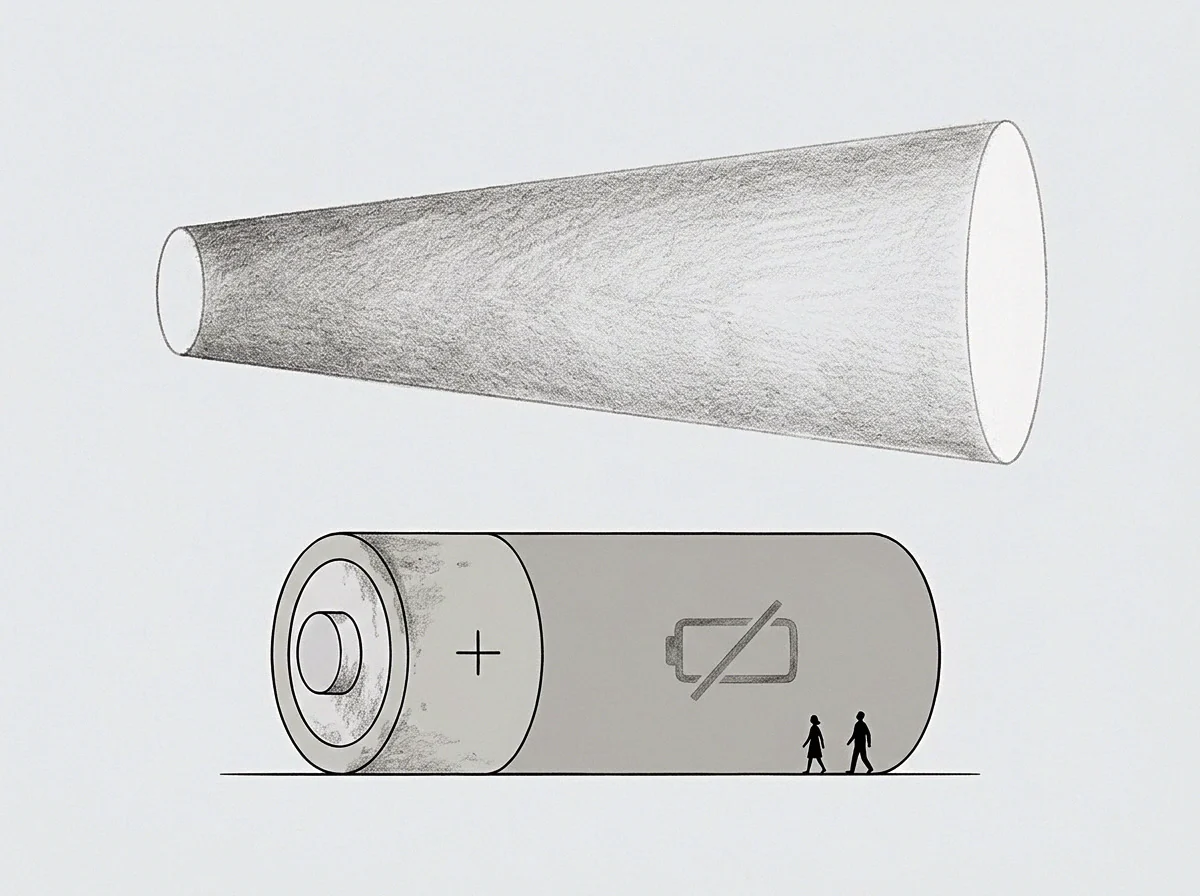
Priority queue staging functions as a formal buffer mechanism to isolate high-value operations from standard processing noise. Within this architecture, priority queue staging prioritizes urgent tasks by holding them in a specialized holding area before they hit the execution layer. This configuration allows a system to maintain consistent response times for critical events during spikes in overall demand.
Queue Throughput
Technical load management requires a predictable separation between immediate requests and background operations. Priority queue staging handles this by offloading non-urgent items to a secondary buffer that releases capacity only when primary lanes clear. Persistent application of this method prevents head of line blocking where slow data processing stalls high-importance signals.
Operational Latency
Systematic delays appear when a system lacks sufficient control over the order of incoming data. Priority queue staging introduces a defined waiting state that stabilizes the consumption rate for finite computing resources. This separation ensures that resource contention stays within fixed parameters without requiring constant manual intervention from the operator.
Regulation Threshold
Allostatic regulation depends on the strict enforcement of capacity limits during high pressure intervals. Priority queue staging defines the boundary where demand exceeds the available processing budget, forcing a transition from real-time execution to scheduled delivery. Stable systems utilize these boundaries to preserve core functionality while deferring non-essential workload segments until system stress subsides.