Meaning
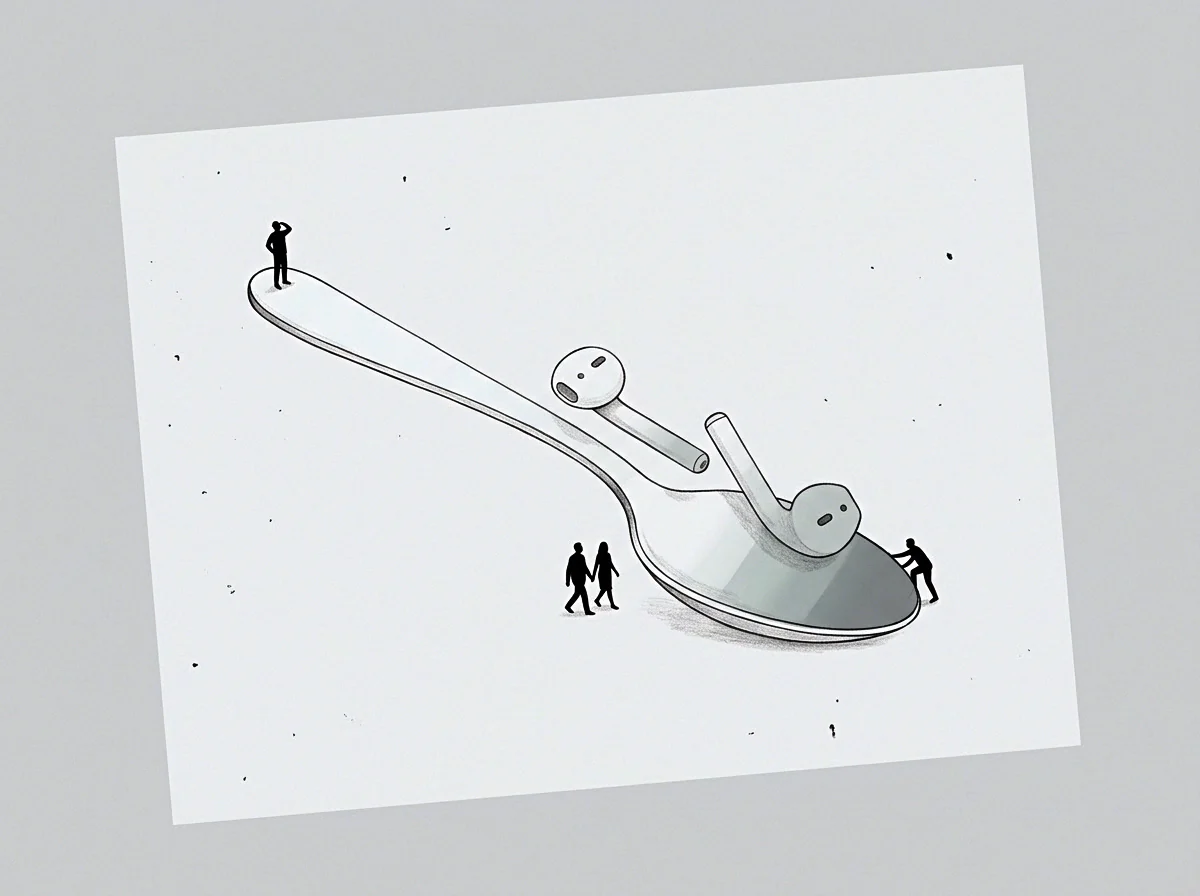
Strategy of deliberate resource restriction used to preserve the core functions of an individual or organization during a period of extreme stress. Protective conservation involves the tactical shutdown of non-essential activities to ensure that the remaining energy is directed toward survival. This mechanism acts as a biological or operational circuit breaker.
It is used when the predicted load exceeds the total available capacity for a sustained period.
Defensive Posture
Priority is given to critical systems during a crisis. Under the rule of protective conservation, a person might stop attending social events or responding to non-urgent communication. This narrowing of focus protects the executive functions required for the primary role.
The result is a temporary reduction in the breadth of the person’s influence.
Allocation Strategy
Reduction in output prevents the onset of a total system failure. By choosing to do less, the individual ensures that the work they do perform meets a minimum standard of quality. This trade-off is essential for long-term endurance in high-pressure environments.
It requires the discipline to ignore the demands of secondary stakeholders.
Survival Mode
Constraints on activity define the success of a conservation strategy. If the reduction in load is insufficient, the individual will still face the risk of exhaustion. Successful conservation requires an accurate assessment of the minimum energy required to maintain the baseline.