Meaning
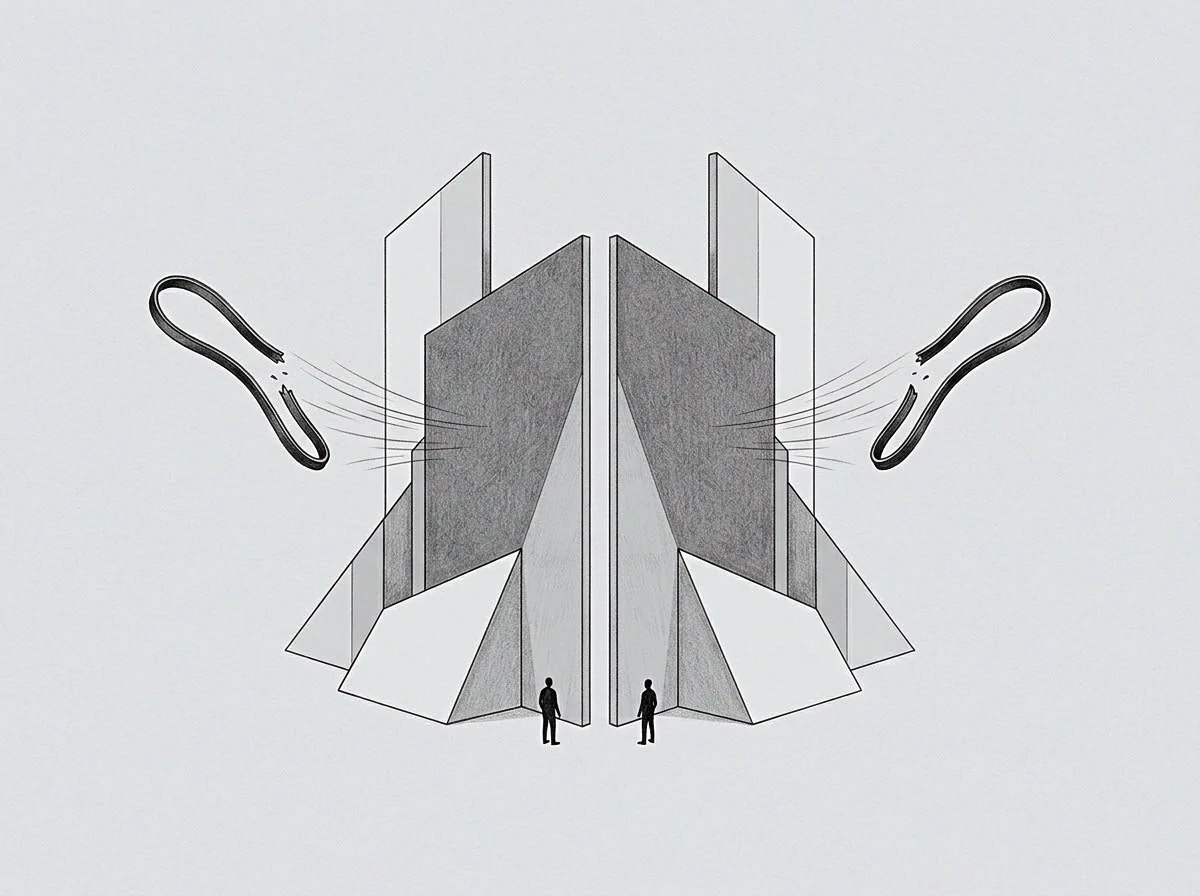
Cellular adaptation occurs when a cell decreases the number of its receptors in response to high concentrations of a neurotransmitter or hormone. This process of receptor down regulation reduces the cell’s sensitivity to subsequent stimulation. It is a protective mechanism designed to prevent overstimulation of the nervous system.
Cellular Response
Constant exposure to high dopamine or adrenaline levels during intense startup operations triggers this adaptation. Through receptor down regulation, the brain reduces active docking sites, which diminishes the impact of the same chemical signals. This cellular change leads to a higher threshold for feeling satisfaction or excitement.
Behavioral Impact
Founders returning to normal life often experience a lack of motivation or pleasure in quiet activities. The reduced sensitivity makes ordinary tasks seem unrewarding and can lead to a state of apathy. This emotional flatness forces some individuals to seek out new high-risk ventures to experience a sense of accomplishment.
Consequently, the cycle of overstimulation continues unless the individual consciously embraces a quieter lifestyle.
Recovery Timeline
Restoring normal receptor density requires a prolonged absence of the overstimulating trigger. The brain slowly synthesizes new receptors once hormone levels return to baseline. This natural healing process occurs over months of low-stimulation living.