Meaning
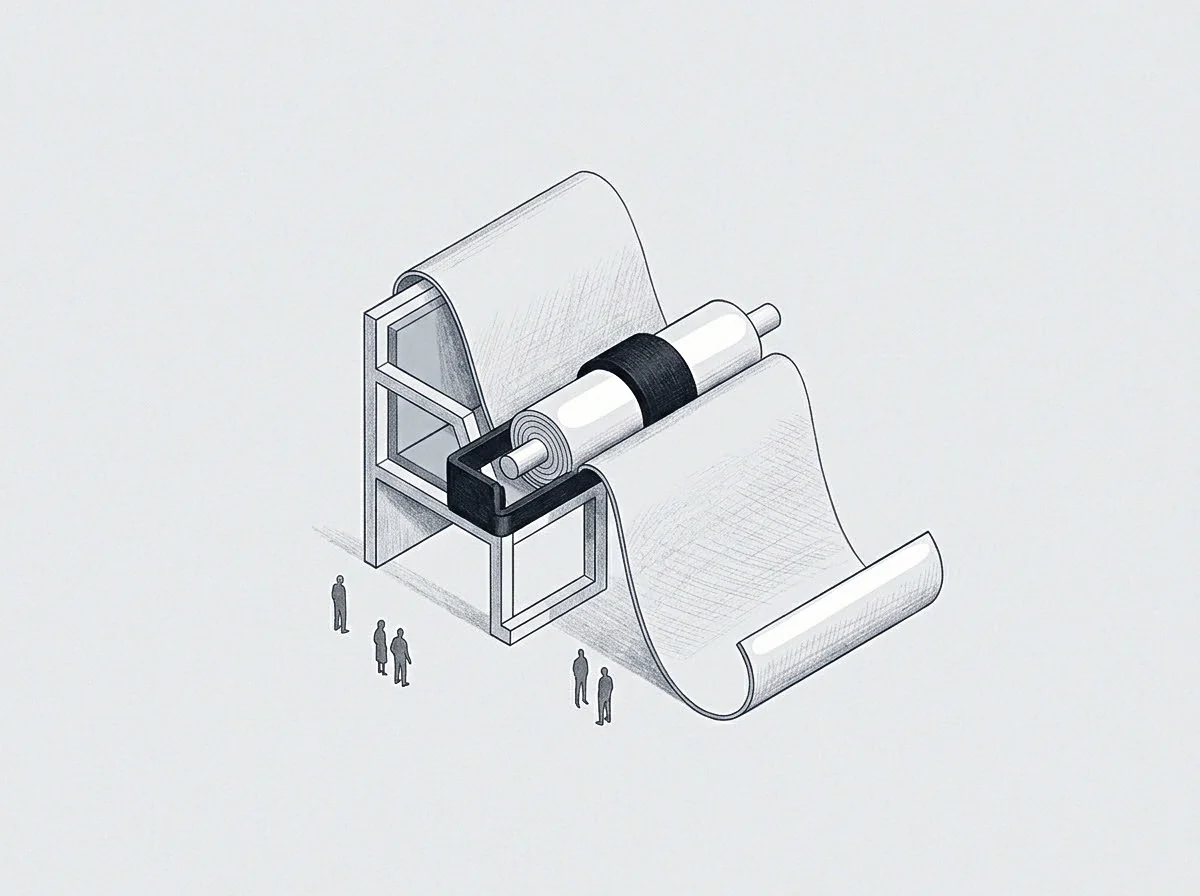
Operational friction defines the point at which autonomous systems require human intervention to align disparate data streams. A reconciliation gate ensures that inputs from separate sources match established parameters before a system proceeds to the next stage of execution. It halts automated throughput when discrepancies exceed a fixed tolerance level.
Systemic Load
Founders manage the capacity of a reconciliation gate by adjusting the sensitivity of matching algorithms. Higher sensitivity increases the frequency of stops, requiring more attention from the operator to clear errors. Reduced sensitivity allows for faster flow but introduces the risk of undetected misalignment in the record.
This setting dictates how much mental bandwidth a person consumes during standard operation hours.
Execution Mechanism
Internal protocols govern how the mechanism detects deviations between records. Software compares the incoming value against a stored reference point and evaluates the delta. When the variance remains within the defined threshold, the gate remains open for continuous processing.
If the difference hits or crosses the line, the flow stops until an external correction occurs.
Operational Consequence
Institutional stability relies on the accuracy of these checkpoints to prevent the propagation of erroneous data. A locked gate forces a pause that prevents downstream corruption at the cost of immediate availability. Constant stops signal a failure in the initial data capture phase.
Persistent friction at this stage necessitates a review of the underlying sources rather than an adjustment of the gate itself.