Meaning
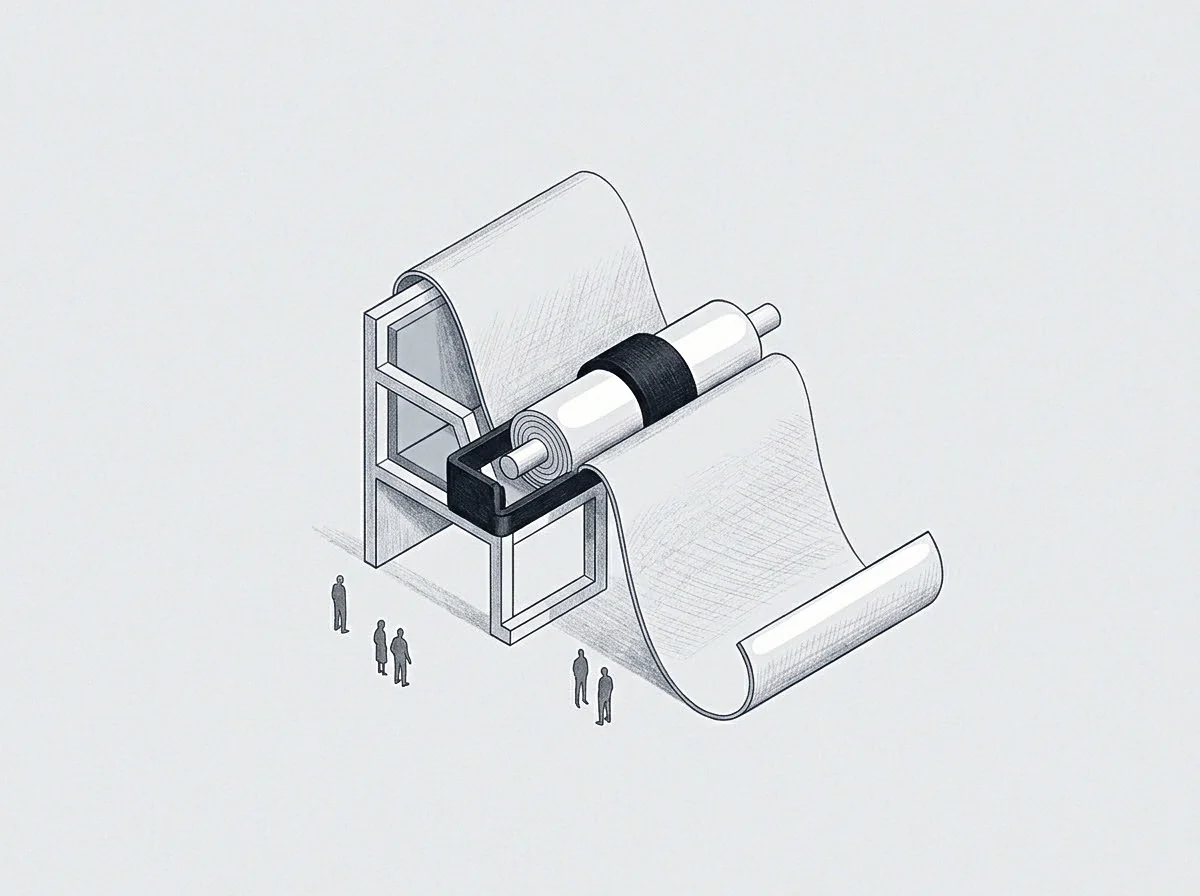
Automated sequences that move code or products from development to the end user define the modern standard for continuous delivery. A release pipeline acts as a conveyor belt that applies tests and validations at every step to ensure that only compliant updates are deployed. It governs the flow of changes into the live environment and stops applying when the product reaches the end of its life cycle.
Flow Automation
Removing the need for human intervention in the repetitive parts of the deployment process reduces the likelihood of manual error. The release pipeline handles the compilation, testing, and distribution of the product automatically. This allows the team to focus their attention on the creative aspects of the work rather than the mechanics of the handoff.
Integrity Check
Every stage of the sequence provides an opportunity to verify that the update does not introduce new vulnerabilities or bugs. If a check fails, the release pipeline stops the deployment immediately, preventing the faulty code from reaching the customers. The load on the founder is reduced because they can trust the automated system to enforce the quality standards they have set.
This creates a predictable environment where the cost of a mistake is localized to the development phase. Speed is maintained because small, frequent updates are easier to validate than large, infrequent ones.
Deployment Frequency
Increasing the number of times a product is updated per week or month shows the maturity of the delivery system. High frequency leads to faster feedback from the market and a quicker resolution of any issues that do occur.