Meaning
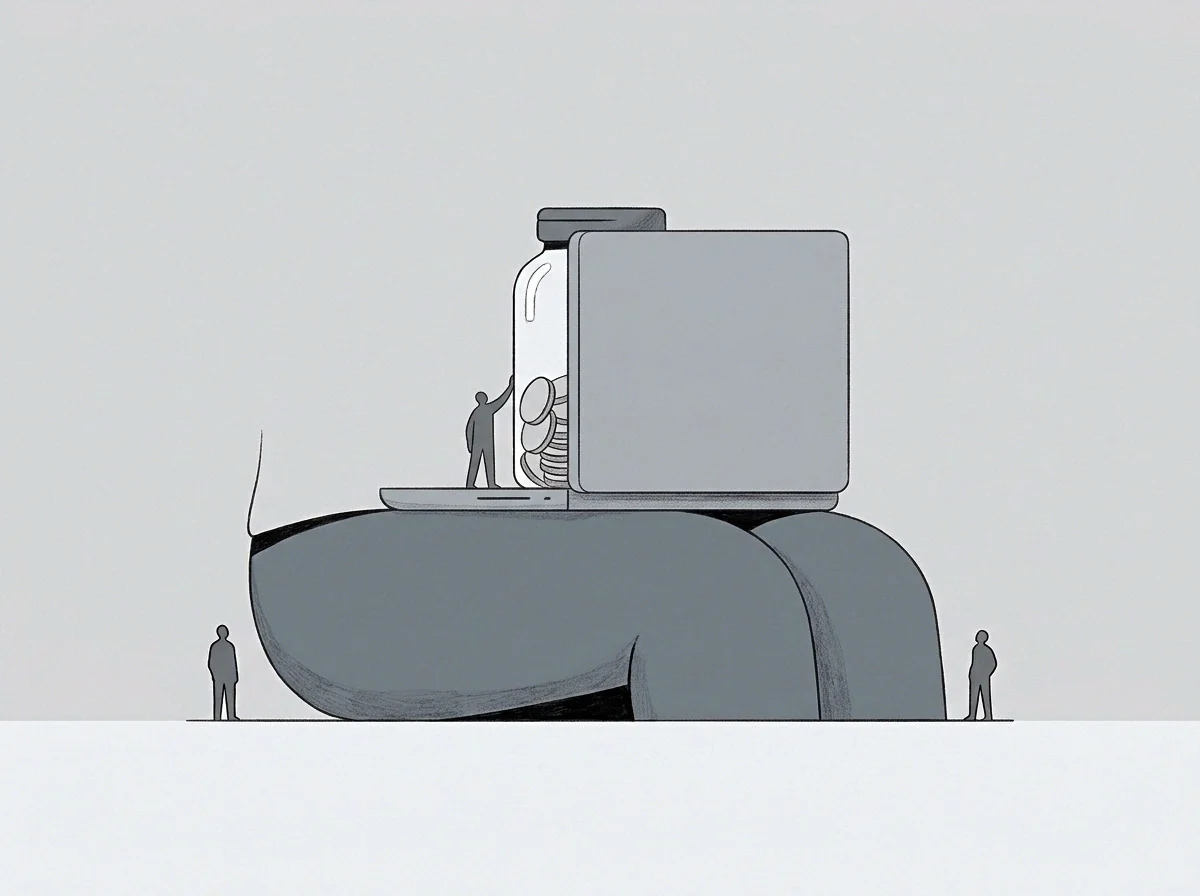
A gradual shift occurs when the physiological or psychological baseline of an individual drifts away from its optimal homeostatic level due to prolonged stress or inactivity. After a successful business exit, setpoint decay describes the deterioration of the high-performance equilibrium the founder maintained during the venture’s active years. Without the structured demands of daily operations, the nervous system struggles to find a stable resting state.
This drift can result in chronic low energy and a loss of focus.
Neurological Mechanism
Neural pathways that were once highly active during intense problem-solving begin to lose their efficiency when stimulation decreases. This setpoint decay reduces the brain’s resilience to minor stressors. It leaves the individual feeling overwhelmed by tasks that previously seemed trivial.
Performance Cost
Sustaining a high stress threshold requires regular, managed exposure to challenge. When this exposure stops abruptly, the regulatory baseline drops, leading to emotional instability. This decline in resilience increases the subjective cost of new projects.
Reset Strategy
Preventing this decline requires the introduction of structured, non-work challenges that stimulate the brain without causing distress. Engaging in demanding physical training or learning complex new skills helps maintain the baseline. These activities stimulate the nervous system and prevent the degradation of regulatory capacity.