Meaning
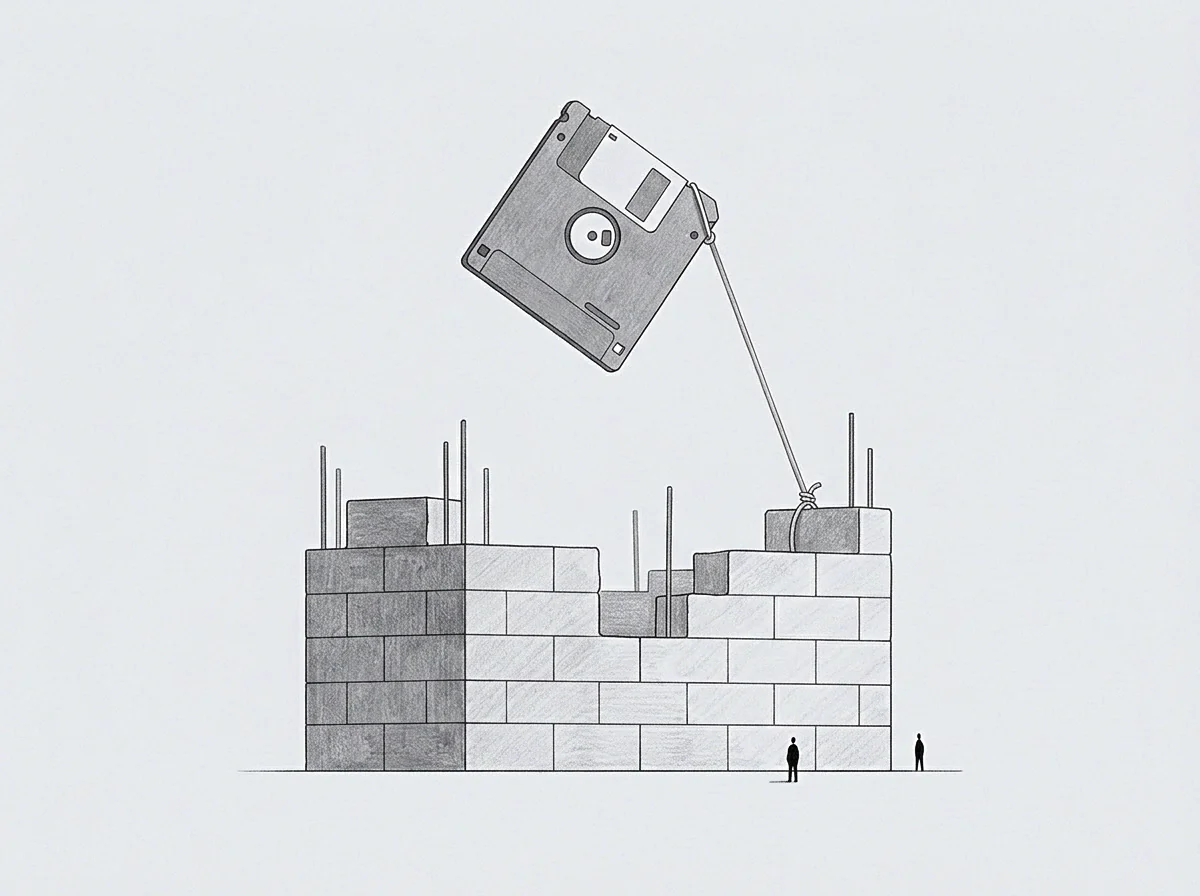
Vulnerabilities exist in any system where a single component or person is so critical that their absence causes the entire operation to stop. A single point of failure represents a high-risk concentration that threatens the continuity of the business. It is often a person who holds unique knowledge or a piece of hardware that has no backup.
Identifying these gaps is a primary task of risk management.
Risk Exposure
Dependence on one element makes the organization fragile and prone to sudden collapse. The single point of failure costs the founder considerable capacity in monitoring and contingency planning. It requires a person to constantly monitor the health and availability of that one critical factor.
This load is a direct measurement of the system’s lack of redundancy.
Redundancy Requirement
Building a more stable structure involves creating backups and cross-training staff to share knowledge. Eliminating a single point of failure takes hundreds of hours of documentation and knowledge transfer. This investment reduces the efficiency of the organization in the short term but secures its future.
It is a necessary cost for any scaling entity.
Critical Path
Some elements are naturally more vital than others because they sit at the center of the workflow. A single point of failure is often located where multiple processes intersect.