Meaning
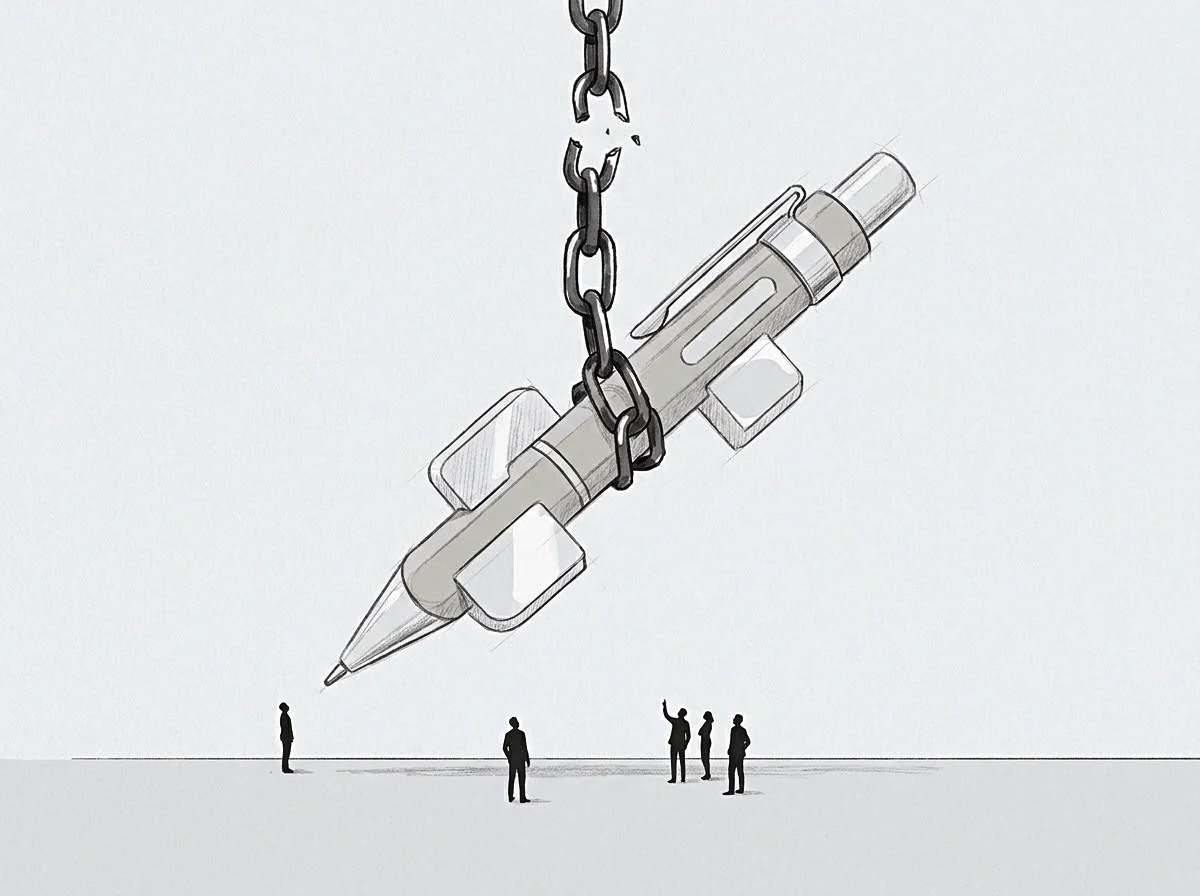
Operating structures characterized by total isolation in ultimate decision authority require an individual to carry full executive responsibility without lateral co-regulation. The dynamic known as solitary command governs organizational frameworks where a single founder acts without a co-founder, advisory peer, or functional partner capable of sharing existential operational stakes. It measures the structural concentration of systemic risk, executive loneliness, and emotional self-containment within an organization.
The boundary ceases to exist the moment shared executive governance, genuine equity partnerships, or distributed management protocols formally dilute centralized responsibility.
Allostatic Isolation
Bearing total ultimate responsibility without peer support accelerates the accumulation of biological wear on the human system. Under solitary command, an executive must process every threat, capital deficit, and personnel failure without the restorative baseline buffering that human proximity provides. The nervous system experiences this chronic absence of co-regulation as an evolutionary hazard, maintaining high sympathetic tone and perpetual hyper-vigilance.
Decisions regarding financial solvency or staff dismissals carry heavy emotional weight that cannot be unburdened during lateral conversations. Isolation magnifies operational stress.
Attentional Distortion
Lacking trusted operational partners systematically distorts an executive’s analytical perspective during high-stress phases. Without peer challenge, solitary command allows cognitive biases, acute anxieties, and unverified assumptions to direct strategic allocations unchecked. Minor setbacks trigger disproportionate defensive maneuvers because the isolated leader lacks an objective sounding board to contextualize operational volatility.
Over time, this unmoderated cognitive pressure produces either defensive paralysis or erratic, high-risk organizational pivots. Solitude warps executive clarity. Perspective requires interpersonal friction.
Co-regulatory Defense
Structural survival demands establishing deliberate external scaffolding to mitigate the extreme energetic costs of unilateral authority. Neutralizing the physiological toll of solitary command involves constructing trusted advisory boards, engaging sovereign executive mentors, or creating mastermind groups outside the enterprise. These external co-regulation surfaces absorb executive emotional leakage, validate reality, and reduce the autonomic tax of unilateral accountability.
While such mechanisms do not eliminate ultimate fiduciary duties, they supply the critical baseline buffering necessary to prevent acute executive collapse. External presence preserves internal stability.