Meaning
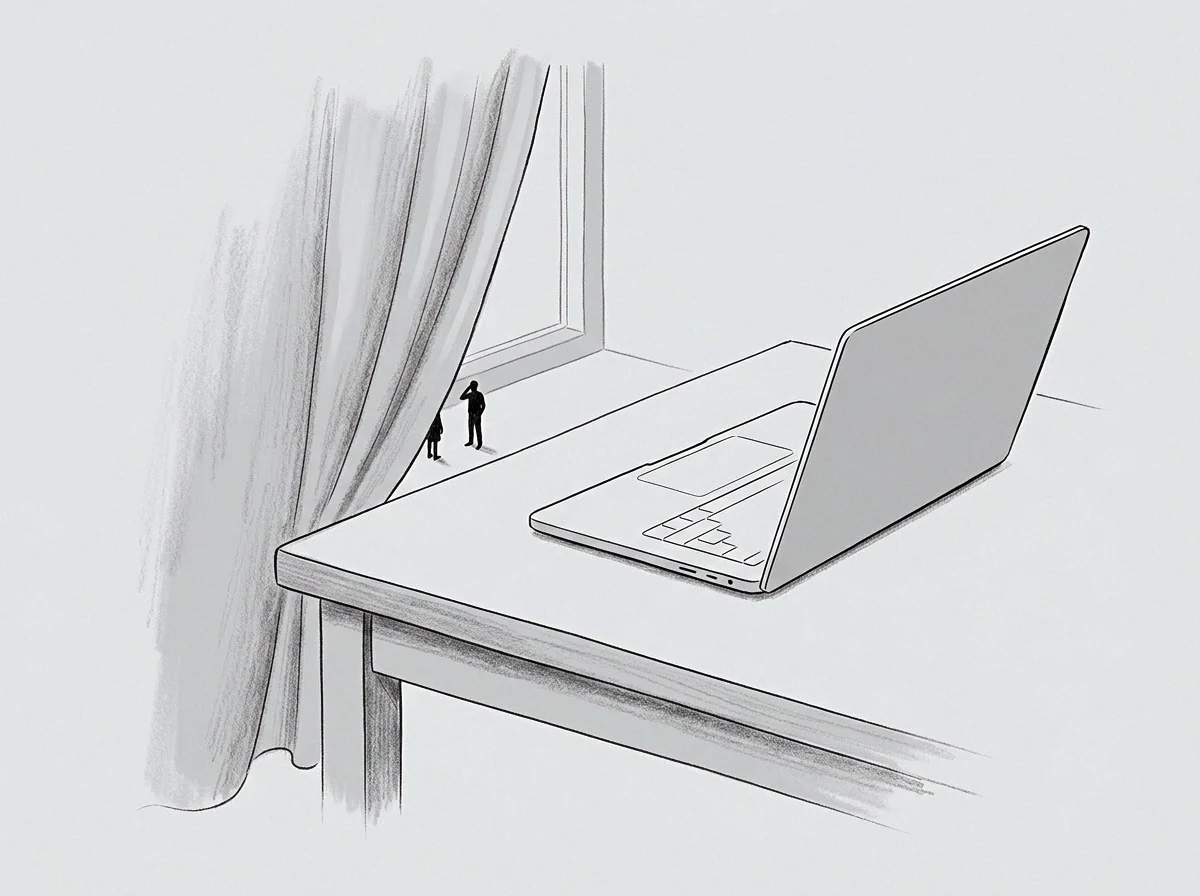
Independent actors maintain their emotional and operational stability through internal mechanisms rather than relying on social or institutional support. Being among the solitary regulators means a founder must process the immense pressure of leadership using only their own psychological and biological resources. Independence persists until the individual seeks outside assistance or the internal systems fail.
Internal Management
Success in this mode depends on a high level of self-awareness and discipline. These individuals must actively monitor their own state and apply corrective measures without prompts from others. Techniques like cognitive reappraisal or controlled breathing are used to stay within a functional range during crises.
Self-contained approaches of this kind allow for rapid decision making but offer no buffer against personal error.
Biological Toll
Managing the entire load of a company alone places a heavy burden on the individual’s nervous system. Solitary regulators face a higher risk of allostatic overload because they lack the social buffering that naturally lowers cortisol levels in a group. Energy cost of constant self-monitoring is exhausting.
Over time, the lack of external regulation leads to a gradual thinning of the person’s emotional and physical reserves.
Capacity Threshold
Failure occurs when the complexity of the environment exceeds the person’s ability to self-regulate. Without a network to share the load, a sudden increase in stress can trigger a total shutdown. At this limit, the founder can no longer maintain the execution floor of their role.