Meaning
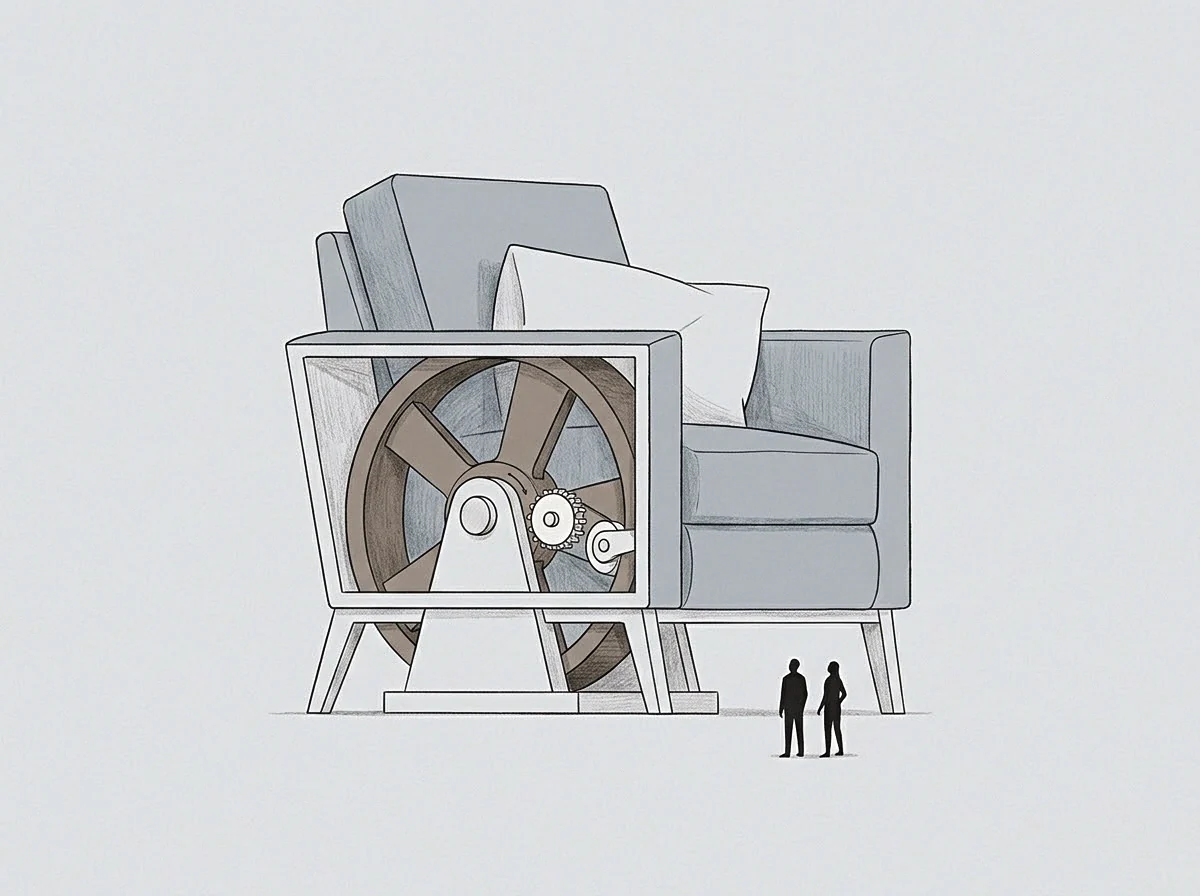
An internal capacity represents the psychological stamina and self-regulation that a founder must draw upon when working without external support. This solitary reserve becomes the primary source of resilience during periods of intense isolation or high strategic pressure. The individual must rely entirely on their own mental resources to maintain focus and make critical decisions for the organization.
Stamina Depletion
Continuous reliance on individual endurance drains the leader’s energy and reduces their long-term effectiveness. This depletion of the solitary reserve leads to decision fatigue and increases the likelihood of strategic mistakes.
Operational Consequence
When a leader has exhausted their personal coping mechanisms, the entire company suffers from a lack of direction and slow execution. This scenario occurs because a depleted founder is unable to process complex information or provide clear guidance to their team. The business must build supportive leadership teams to reduce this single point of failure, ensuring that organizational momentum does not depend on one person’s emotional limits.
Systemic Support
The implementation of advisory boards and co-leadership models helps distribute the psychological burden of governance. These structures ensure that the leader does not have to face high-stakes situations alone, thereby protecting their personal well-being. This distribution of responsibility makes the entire enterprise more stable and resilient to market shocks.