Meaning
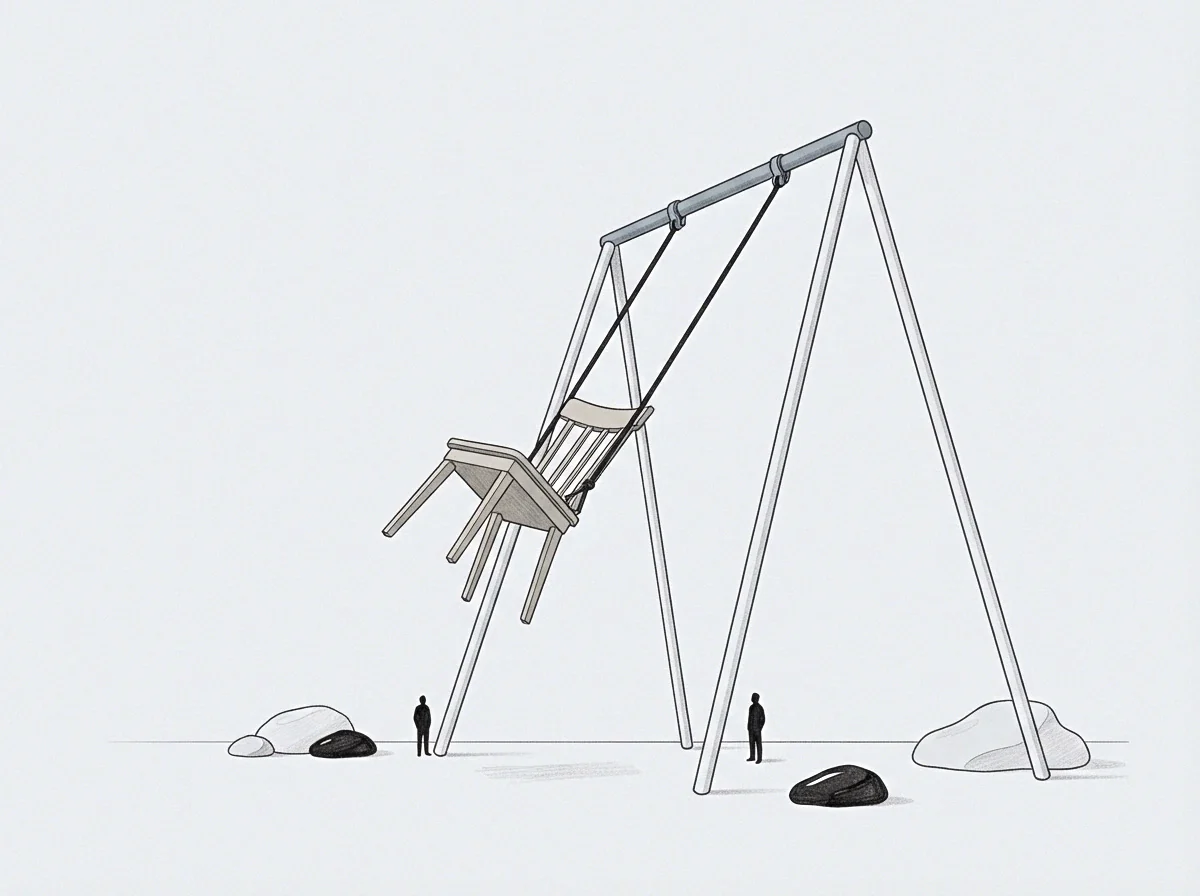
Physiological self-regulation through physical adjustment characterizes somatic bracing, a muscular pattern deployed by founders during acute operational crises to suppress autonomic arousal. Physical posture stiffens involuntarily when cognitive load exceeds immediate processing capacity, locking joints and constricting respiration to maintain an outward appearance of control. This biological mechanism costs significant physical energy and mental capacity, gradually degrading neuromuscular health over months of sustained exposure to high-stakes uncertainty.
Physical Cost
Sustained muscular tension consumes metabolic resources that would otherwise support cognitive processing and long-term physical recovery. Chronic contraction of the trapezius and abdominal walls reduces baseline respiratory volume by a measurable margin, forcing the central nervous system to operate under mild oxygen debt during routine decision-making tasks. Founders absorb this metabolic penalty without immediate conscious awareness because the physical response bypasses deliberate cognitive control entirely.
Recovery requires dedicated hours of intentional relaxation and physical therapy to release entrenched holding patterns that persist long after the triggering crisis resolves.
Autonomous Regulation
Nervous system management during prolonged stress relies on borrowed stability from external peers or co-founders when internal self-regulation fails. Social baseline theory demonstrates that human biology expects proximity to reliable allies to share the load of environmental threat detection and physical regulation. Isolated founders lack this co-regulation channel, forcing the body to rely exclusively on internal muscular locking to simulate safety in an unpredictable market environment.
This solitary adaptation substitutes genuine recovery with muscular rigidity, increasing allostatic load until physical capacity breaks down under ordinary operational friction.
Behavioral Boundary
Muscular holding patterns cease to function as protective mechanisms once operational pressure shifts from acute crisis to chronic uncertainty. Physical stiffness prevents the flexibility required to navigate complex strategic pivots, binding the body to defensive postures that misalign with current market realities. The boundary between functional survival and physiological damage marks the point where automatic muscle contraction begins to restrict cognitive bandwidth instead of preserving it.